
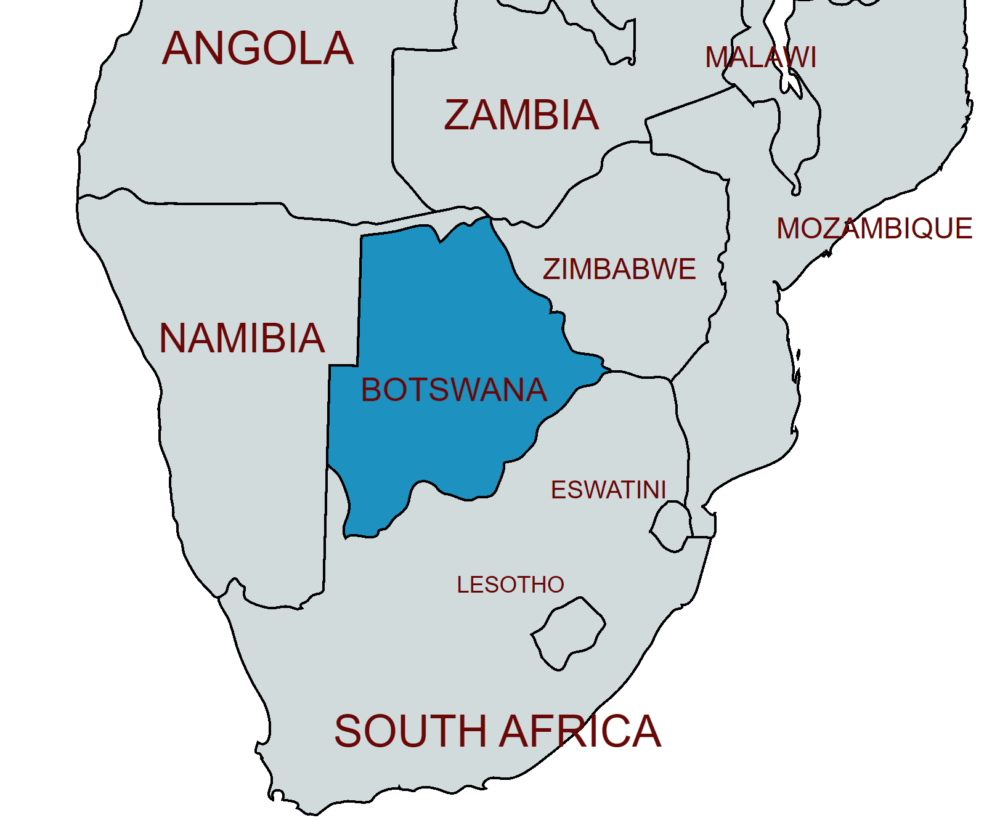
Botswana has made history as the first African nation to achieve the World Health Organization’s Gold Tier certification for eliminating mother-to-child transmission of HIV. This milestone represents more than two decades of determined effort to transform one of the world’s most challenging public health crises.
The achievement carries particular significance given Botswana’s starting point. In 1999, the country faced one of the highest adult HIV prevalence rates globally, at around 30%, threatening life expectancy and overwhelming public health infrastructure. Today, fewer than 100 infants are born with HIV annually, and the mother-to-child transmission rate has dropped to just 1.2%, well below the WHO’s 5% elimination threshold.
The achievement is especially remarkable given where Botswana started. In 1999, the country had one of the highest HIV rates in the world—about 30% of adults were infected. The disease was cutting life expectancy short and overwhelming hospitals. Today, fewer than 100 babies are born with HIV each year, and the rate of mothers passing HIV to their children has dropped to just 1.2%.
Strong Government Leadership
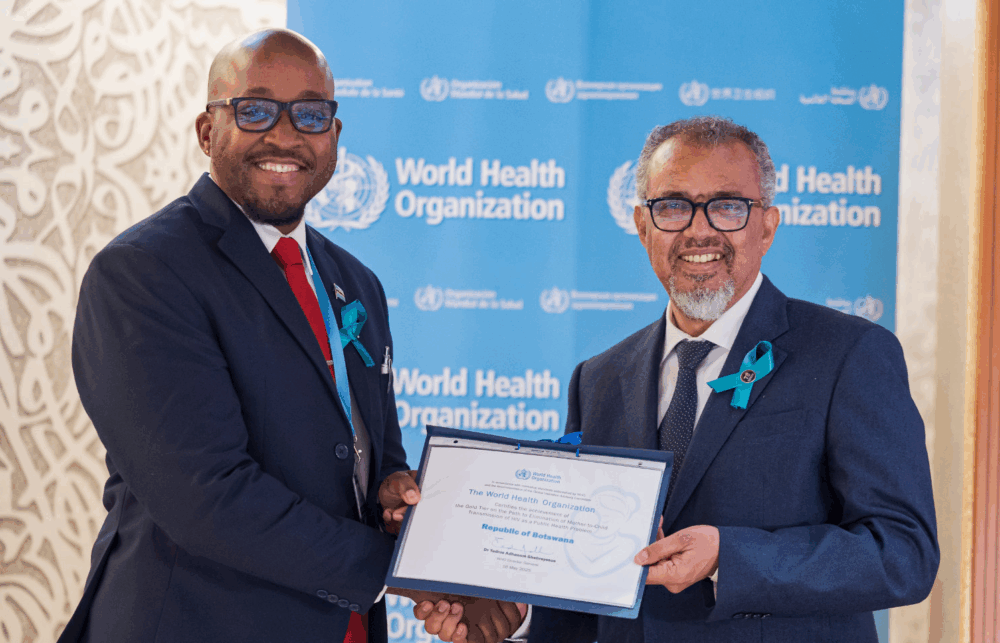
Strong government leadership drove Botswana’s transformation. The country made a crucial early decision to immediately treat all pregnant women with HIV using antiretroviral therapy, regardless of how advanced their infection was. The government funded this program consistently from its own budget year after year, keeping it running even when international aid money became less reliable.
Free pregnancy care for all women became central to the plan. The government provided baby formula for 12 months to about 90% of mothers with HIV, following international guidelines to reduce the risk of passing the virus through breastfeeding. These services were available to everyone, including people who weren’t citizens of Botswana.
Making Healthcare Work Better
Botswana completely changed how it delivered healthcare. The government trained midwives to test for HIV and start treatment in local clinics, making care available even in remote rural areas. Local health teams were given the power to make quick decisions and solve problems as they came up.
Technology played a big role in tracking progress. The government created digital health records and used the data to make decisions about where resources were needed most. This allowed healthcare workers to monitor how well programs were working and make changes when necessary.
Getting Communities Involved
Fighting the shame and fear around HIV required getting entire communities on board. The government worked with local organizations and set up programs where mothers who had successfully prevented passing HIV to their babies could support other women going through the same experience.
A campaign called “Brothers Arise” worked with traditional leaders to get men more involved in supporting their partners during pregnancy and childbirth. This family support proved crucial in helping women stick with their treatment programs.
Lessons for Other Countries

Botswana’s success shows other African countries with high HIV rates—like South Africa, Kenya, and Namibia—that eliminating mother-to-child transmission is possible. The key ingredients were sustained government commitment, healthcare that worked for everyone, and getting communities involved in the solution.
Now Botswana is working toward eliminating mother-to-child transmission of three diseases at once: HIV, syphilis, and hepatitis B. This expanded approach shows how comprehensive pregnancy care can tackle multiple health problems simultaneously.
Sustained Commitment
As international funding decreases, Botswana has created a plan to keep funding these programs through its own resources, partnerships with private companies, and creative financing approaches. The government recognizes that maintaining these gains requires long-term financial commitment.
This top-level certification confirms that Botswana has continued to improve since earning a lower level of recognition in 2021. With about 360,000 people living with HIV and 98% of pregnant women with HIV receiving treatment, the country has proven that comprehensive prevention programs can achieve elimination goals.
Botswana’s journey from having one of the world’s highest HIV rates to becoming the first high-burden country to virtually eliminate mother-to-child transmission shows what’s possible when government leadership, healthcare innovation, and community engagement work together. This achievement offers both hope and a practical roadmap for the global effort to end HIV transmission to babies.
This summary is based on the following articles:
- Botswana advances to gold tier on the Path to Elimination of mother-to-child transmission of HIV, from the WHO
- Botswana leads the way in eliminating mother-to-child transmission of HIV, from UNICEF
- How Botswana eliminated paediatric HIV, by Lyse Comins, Nature Africa
Related Articles

What’s Working in the 19 Countries on Track to Help End AIDS
Nine countries have already reached the UNAIDS 95-95-95 HIV targets through community health workers, accessible testing, and data-driven decisions. Their innovations offer critical lessons for ending the global AIDS epidemic by 2030.

Bridging the Research-Action Gap to Combat HIV in Botswana
After losing her mother to AIDS as a child, a young woman teamed up with an American researcher to promote peer-led safe sex education and combat Botswana’s devastating HIV epidemic.