
Repower, a Ukranian mental health charity, provides crucial psychological support to battlefield medics facing exhaustion and trauma from grueling front-line service.
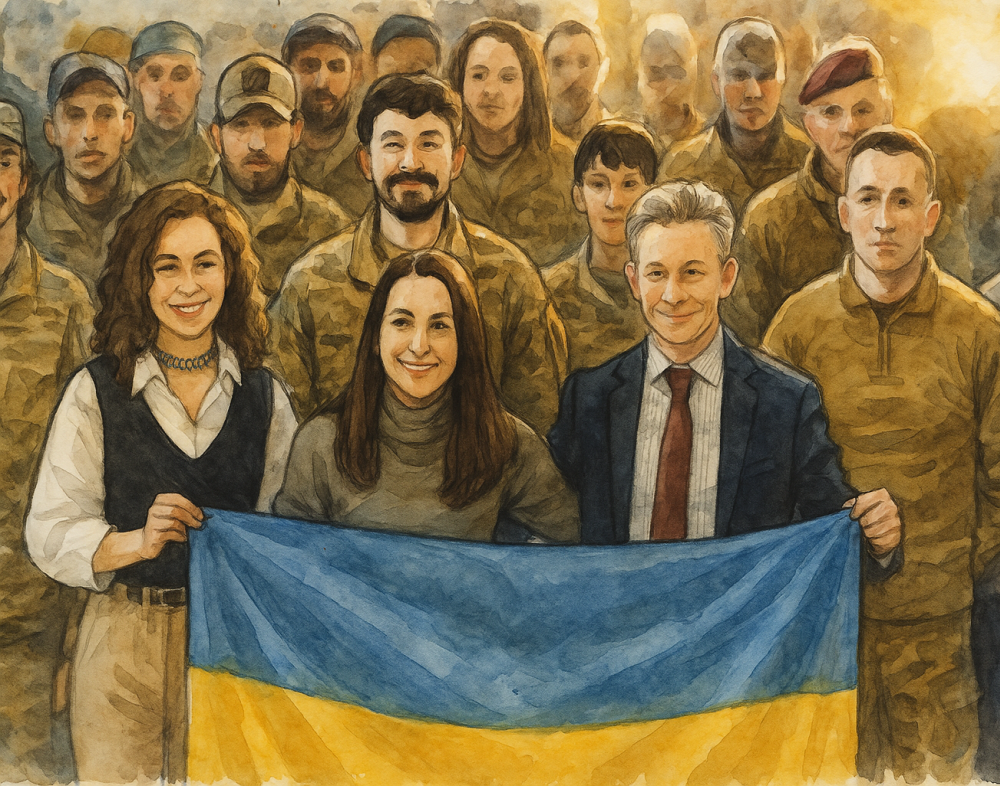
Ukraine’s battlefield medics work under extreme conditions, many coming from civilian backgrounds like veterinary medicine and motorsports, unprepared for treatment during war. They operate within meters of enemy positions while saving lives under missile fire.
The psychological toll is severe. An October 2024 survey found one in five Ukrainian medical workers showing stress symptoms, with 30% struggling to manage emotions healthily.
“Whenever I feel frustrated or despairing, I remind myself my conditions are good compared with what the infantry endure,” Valeriia Malyk, a veterinarian now serving as a paramedic, told the Christian Science Monitor. “We must maintain our spirits – if we fall into despair, it weakens the whole war effort.”
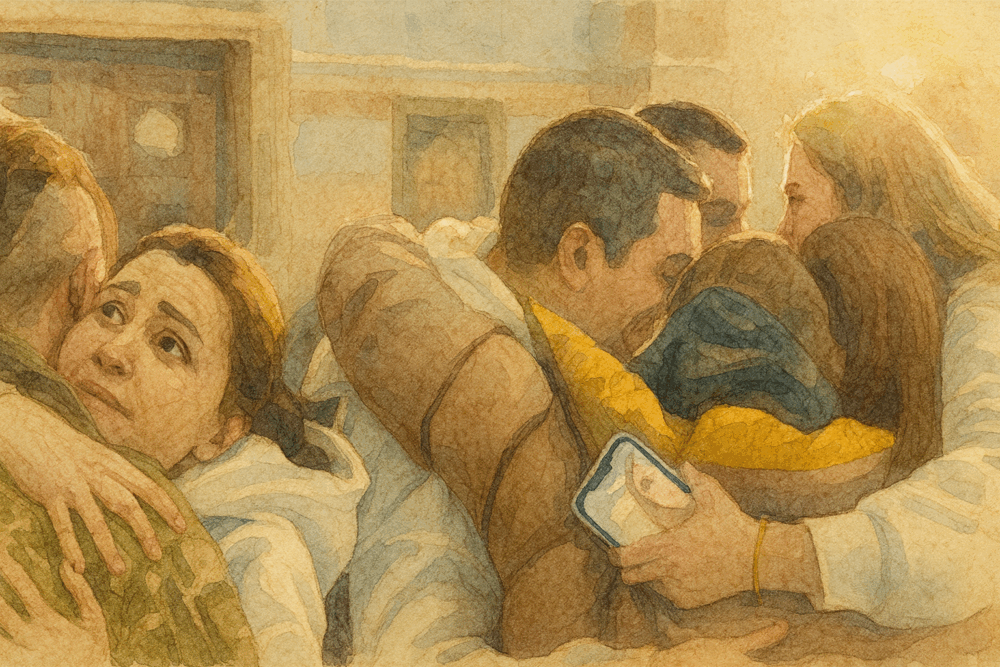
Repower, Ukraine’s only charitable foundation focused exclusively on military medic psychological recovery, addresses this crisis through 12-day international retreats. Since 2022, the organization has supported 1,200 participants across 16 projects in three countries, providing group therapy sessions and stress management training.

“The main part of our program is the psychological part,” co-founder Maryna Sadykova said in the same article. “We try to give them knowledge of how they can cope with stressful situations.”
For ambulance driver Pasha, a former racer who completed 318 evacuations, the support proved essential after enduring 83 airstrikes. “There is life outside of war,” he said in the report, crediting his therapy dog and Repower’s community for helping him cope.
American paramedic Ben Asak, working Ukrainian front lines since 2022, also told the publication he finds perspective after a near-miss with a Russian bomb: “It’s good to live. It’s good to be here.”
This summary is based on the following article:
- Caring for the caregivers: How Ukraine’s medics get help, from The Christian Science Monitor
Related Articles
Temporary Ceasefire Enables MSF to Deliver Medicines to Kherson Villages Near Frontline
A five-day ceasefire in Ukraine’s Kherson region let Doctors Without Borders/Médecins Sans Frontières teams deliver three months of essential medicines to three frontline villages, home to about 4,000 people cut off by constant drone threats.

Ukraine Keeps HIV Response Steady Under Fire
War has strained Ukraine’s HIV programs, but capacity built years earlier has kept most prevention and treatment in place. From Think Global Health.
Growing Up in Wartime Ukraine With a Rare Condition
Donated growth hormone is helping children catch up to their peers before time runs out. From Direct Relief.