Nicholas Kristof’s 2025 giving guide highlights nonprofits responding to Sudan’s humanitarian crisis, preventable tropical diseases, and vision impairment in U.S. schools.
Each year, New York Times opinion writer Nicholas Kristof provides a list of humanitarian nonprofit organizations that readers can donate to, along with matching donations from generous supporters and the Bloomberg Philanthropies and a Holiday Impact Prize. In his 2025 giving guide, Kristof highlights three organizations addressing urgent humanitarian needs with remarkable cost-effectiveness.
Mutual Aid Sudan Coalition: Grassroots Relief in a Forgotten Crisis
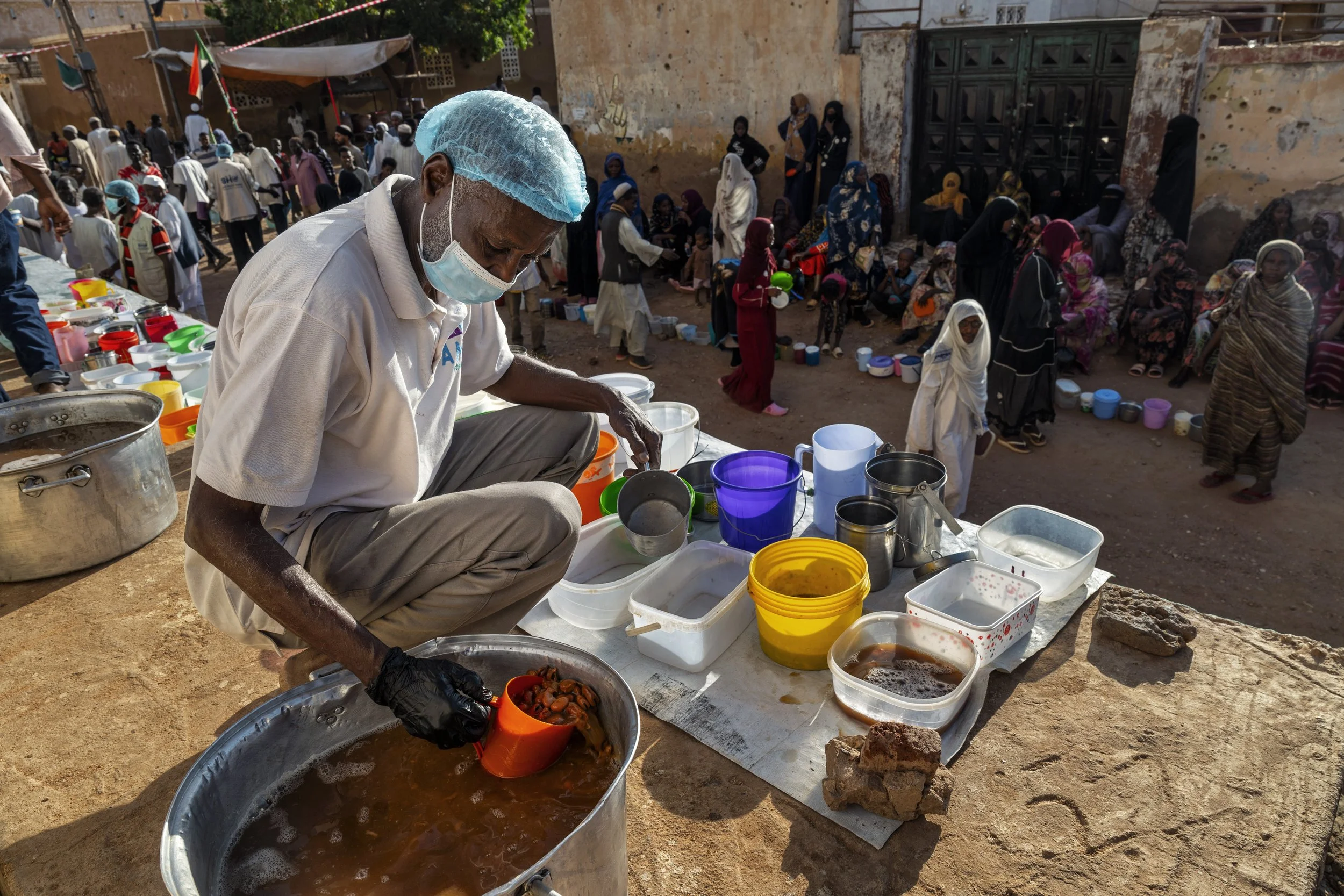
Sudan faces what may be the world’s worst humanitarian emergency. Since conflict erupted in April 2023, nearly 12 million people have been displaced, and approximately 400,000 have died. Half the population faces food insecurity, and one in three children suffers from acute malnutrition.
Kristof encountered survivors who described massacres targeting Black African communities, where militia leaders declared they didn’t want to see any Black people, then killed males over age 10 and raped women and girls while calling them slaves. He describes these events as echoing the Darfur genocide from 20 years ago, though with far less international attention.
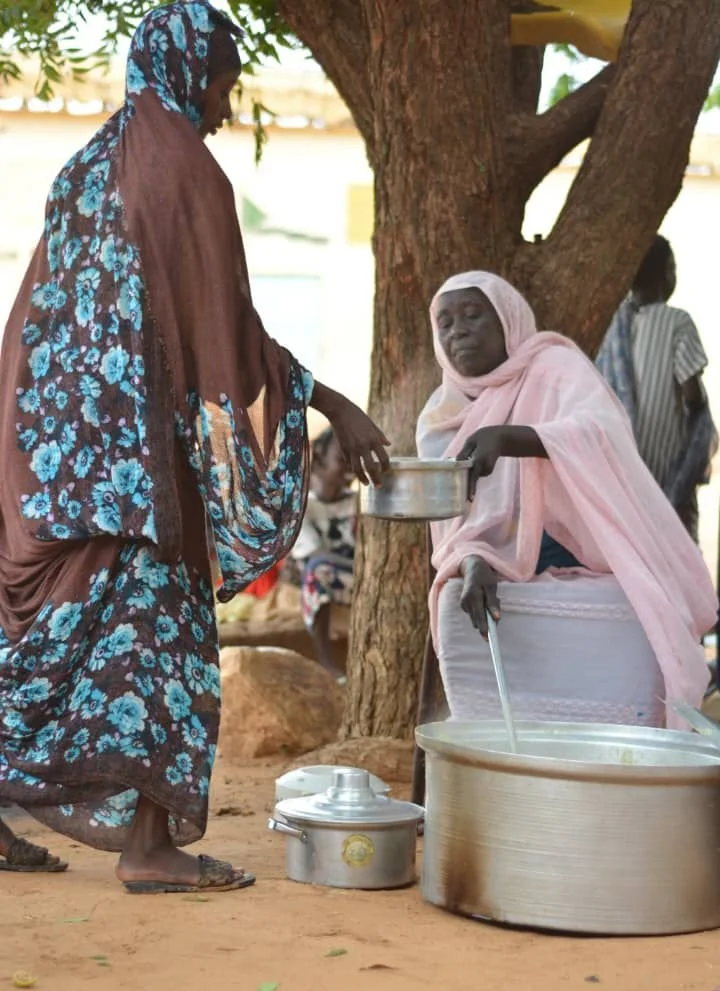
While traditional aid organizations struggle to reach affected areas due to fighting, damaged infrastructure, and bureaucratic obstacles, Sudanese volunteers have created an alternative. The Emergency Response Rooms (ERRs) comprise 26,000 volunteers operating community kitchens and local initiatives providing food, medical care, and other assistance. Rooted in the Sudanese tradition of nafeer—collective action—these volunteers remain in place even when international aid groups must evacuate.
The Mutual Aid Sudan Coalition channels funding directly to these volunteers, who use their local knowledge and relationships to navigate security challenges and make real-time decisions about needs. Ninety-five percent of donations reach emergency activities on the ground within two weeks. Through this network, more than 987,000 people have received food from communal kitchens, over 750,000 have accessed healthcare, more than 30,000 have been evacuated from conflict zones, and over 20,000 children have continued their education. In total, the ERR movement has reached more than three million people.
The group has been nominated twice for the Nobel Peace Prize and is particularly crucial for the three million children under five in Sudan who are acutely malnourished.
Helen Keller Intl: Preventing Blindness and Disease
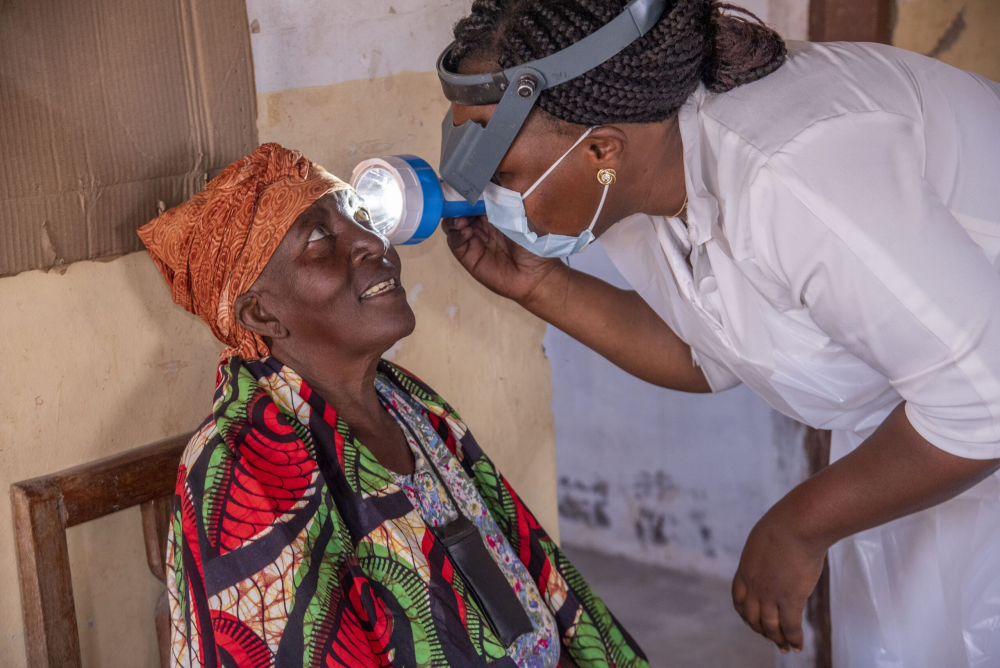
More than one billion people worldwide suffer from at least one neglected tropical disease—illnesses that cause blindness, painful deformities, and malnutrition, along with devastating social stigma and economic losses. Most are preventable or treatable with simple, low-cost medicines; the challenge is distribution.
For decades, Helen Keller Intl has partnered with governments and communities across Africa to deliver medication through mass drug administration events. With a network of more than 170,000 community health workers and millions of donated drug doses annually, the organization reaches millions of children and families where these diseases are most endemic.
The impact has been substantial. Niger became the first African country to eliminate river blindness, Mali eliminated trachoma as a public health problem, and more than 105 million people across six countries are no longer at risk of lymphatic filariasis. Helen Keller also supports surgical interventions for those already affected by these diseases, enabling people to return to work and family life.
Vision To Learn: Transforming Education Through Eyeglasses
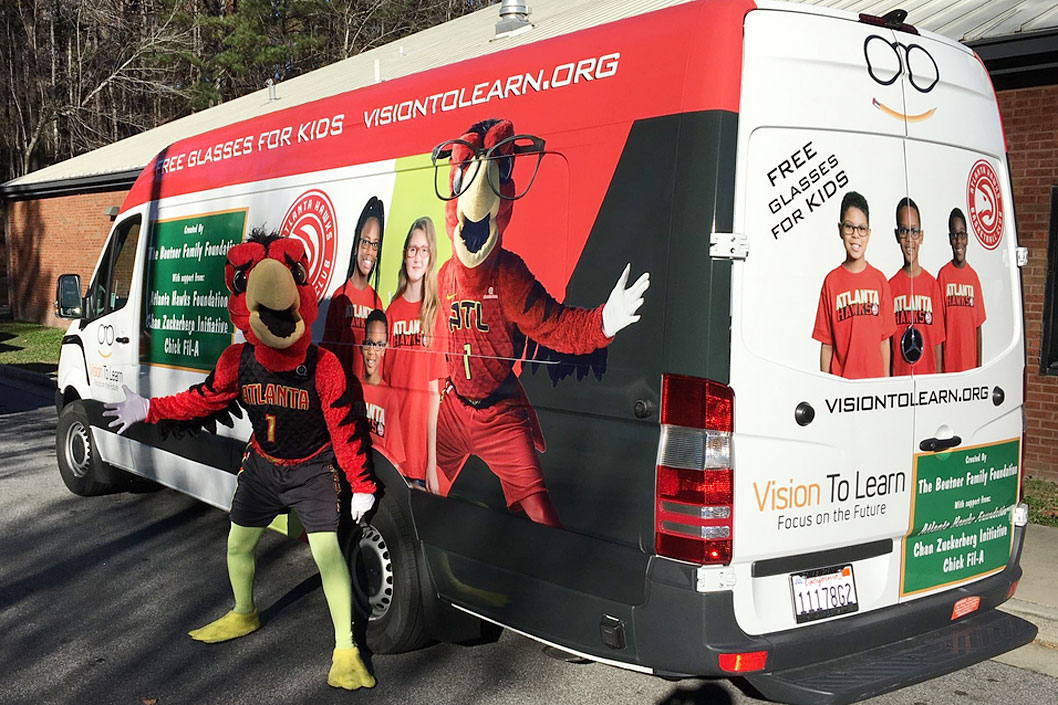
Up to one-quarter of children need glasses. Austin Beutner, founder of Vision To Learn, states that in the low-income communities in cities where they operate, roughly 95 percent of kids who need glasses don’t have them. These children struggle to see the board, may fidget in class and be viewed as troublemakers, and fall behind simply because they cannot see.
Vision To Learn brings vision screenings, eye exams, and glasses directly to students at their schools through a fleet of mobile clinics staffed by licensed opticians. All services are provided free of charge. Since 2012, the organization has reached almost four million students nationwide, provided over 700,000 eye exams, and distributed more than 600,000 pairs of glasses. About 90 percent of the children served live in poverty, and roughly 85 percent are Black or Latino. When children break or lose their glasses, they receive free replacements.
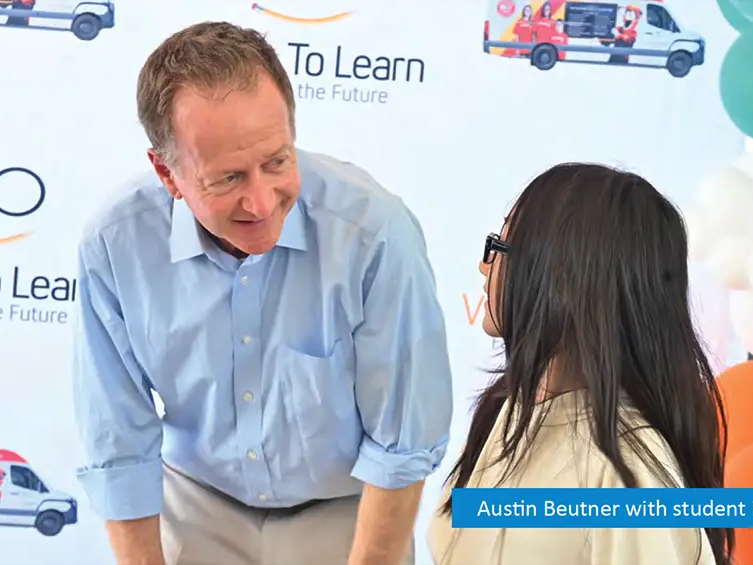
Research demonstrates significant educational impact. A Johns Hopkins study found that for low-achieving children, Vision To Learn glasses raised reading scores more effectively than one-on-one tutoring or extended school days, at far lower cost per child. Students who received glasses gained the equivalent of two to six months of additional learning time, with those in the bottom quartile showing the biggest gains.
The effects extend beyond academics. A study published this year found that young people in the criminal justice system are twice as likely as others to have impaired vision. Access to vision care also supports mental health and helps children avoid being misdiagnosed with learning disabilities or dropping out of high school.
Kristof reports hearing of a boy in Oregon who was completely unmanageable and disrupting his entire class, then was transformed overnight into a well-behaved and much more successful student after receiving glasses from Vision To Learn.
Making an Impact
All three organizations offer tax-deductible donations, and contributions made through KristofImpact.org have credit card fees covered, meaning 100 percent reaches the selected nonprofit. With the double matching structure this year, that becomes 400 percent. Last year, readers contributed more than $17 million through Kristof’s giving guide.
This summary is based on the following article:
- Gifts That Save Lives, by Nicholas Kristof for The New York Times
Related Articles
“She Has Given Us a Sense of Security”: The Humanitarian Midwives Deployed to Sudan’s Blue Nile State
In Sudan’s Blue Nile State, UNFPA-trained midwives like Sa’aida and Safya deliver babies, refer complicated cases, and track pregnant women camp to camp amid displacement and flooding, offering safe births and reassurance where health facilities have collapsed and funding has fallen short.
Bringing Water and Healthcare to Displaced People in Abu Jubayhah, South Kordofan, Sudan
Since June 2026, MSF has drilled a borehole and installed a solar-powered water pump for 57,880 displaced people in Abu Jubayhah, South Kordofan, delivering over a million litres of water while expanding clinic care for malaria, malnutrition, and maternal health.

August 2026 Snapshots from the IMC
The work of the International Medical Corps includes mobile clinics reaching flood-hit communities in the Philippines, a busy primary health center serving displaced families in Sudan, first-responder training in Pakistan, and rehabilitated water systems in flood-affected Zimbabwe.