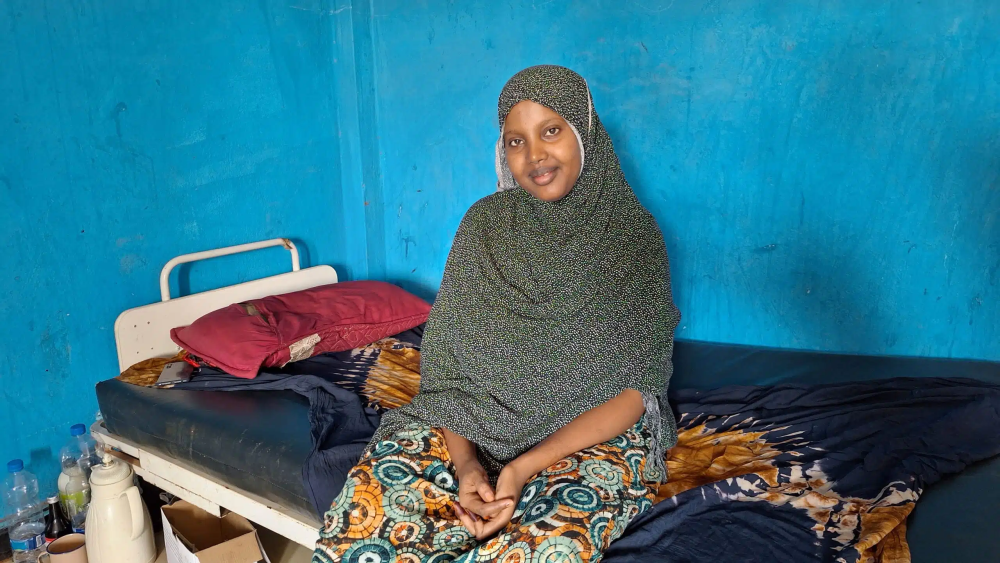
In a sandy area of southern Ethiopia, affected by malnutrition, climate shocks, water scarcity, and lack of healthcare, new life continues to emerge in the remote hospital of Hargelle, in Afder.
First published February 5, 2025 by ALIMA
Nothing is simple in Afder. Nothing is guaranteed
The Afder community has lived here for generations, adapting to a harsh climate. Rapid climate change now outpaces people and infrastructure. Pastoralists face worsening droughts that dry up water sources, forcing longer journeys and increasing malnutrition.
Healthcare access is a major challenge. Hargelle hospital, the only general facility, is hours away with poor roads and no reliable transport. Healthcare workers themselves battle fatigue, heat, and isolation. Supplies run low, infrastructure struggles, and staff are few, making medical care scarce and precious.
Traditional healers, consulted for generations, are encouraged and supported to refer patients to modern care when the danger grows. Local midwives and village leaders carry health messages, going door to door, speaking at gatherings under the great acacia trees.
A lifeline forged in partnership
Patients go to the health center closest to their home. When necessary, they are referred to Hargelle Hospital. Access is the main challenge. Financial constraints and lack of public transportation make it difficult for people to reach the hospital. Sometimes, it can take them an entire day to get to the hospital.
In the Somali region, where no vehicles can traverse sandy tracks, and where ambulances break down, the alliance between local health workers and ALIMA is crucial. Our medical team, composed of Ethiopian professionals, strengthens the Ministry of Health teams to support them effectively and overcome obstacles together. ALIMA supports ambulances by providing fuel and maintenance to facilitate transfers from rural health centers.
Jemal, Midwifery Supervisor at Hargelle Hospital, is employed by ALIMA to support and train staff on maternity services.
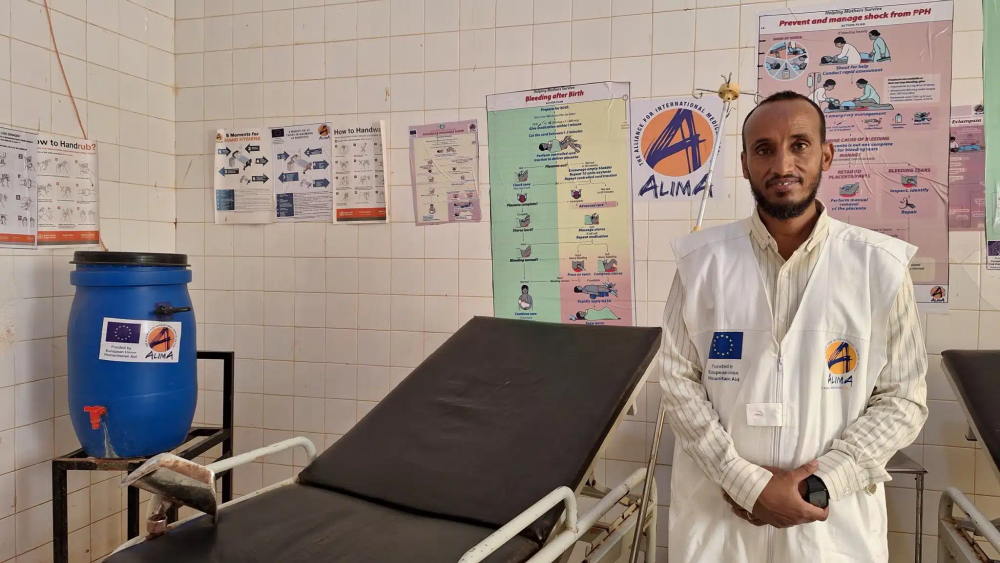
“I train midwives on patient care and follow-up, and support improvements in maternity services at Hargelle Hospital. During my work, one patient left a strong impression on me. She was pregnant and had traveled a very long distance to get here. She was weak and showed signs of injuries. We cared for her and accompanied her throughout her delivery. She was able to leave with her baby, both in good health.”
The midwives trained by Jemal cared for Foosiya.
Capacity building at all levels for real change
In this region, ALIMA works mainly in the Hargelle and Elkare cities, providing essential health and nutrition care, including:
- Treatment of severe acute malnutrition
- Maternal and child health
- Sexual and reproductive health
- Mental health and psychosocial support
- Mobile medical teams reaching isolated populations
- Capacity building for Ministry of Health staff on emergency preparedness and response, enabling faster action during crises and epidemics
- Strengthened surveillance and rapid response to health emergencies and outbreaks
- Health education sessions on key health messages to improve community awareness
This comprehensive health support and medical reinforcement have tangible impacts on community health, as seen in the care provided to Juweriyo and Sool.
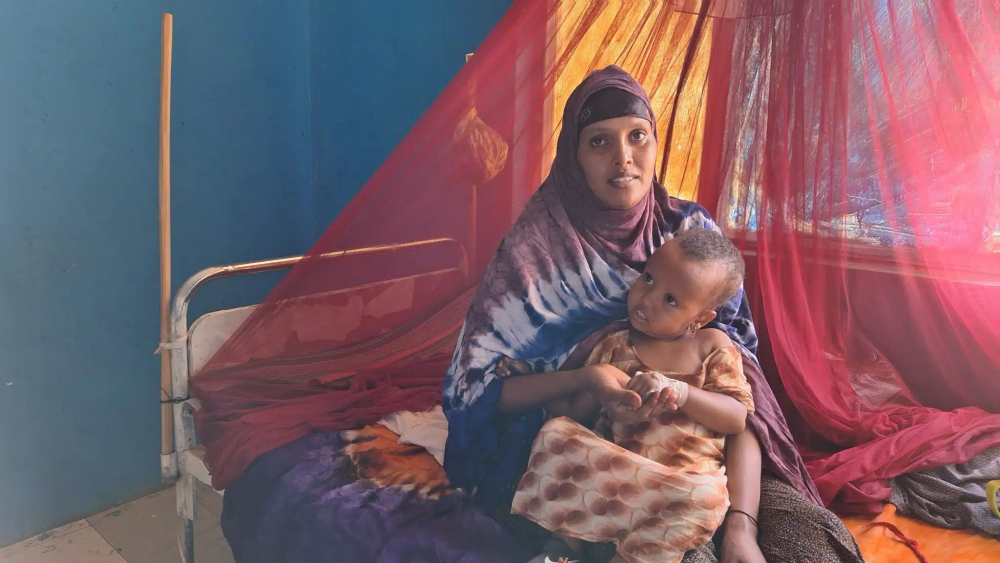
Juweriyo and her daughter, Maida Mohamud Ismail (24 months), who suffers from a congenital neck disability, have been receiving care for four days at Hargelle Hospital.
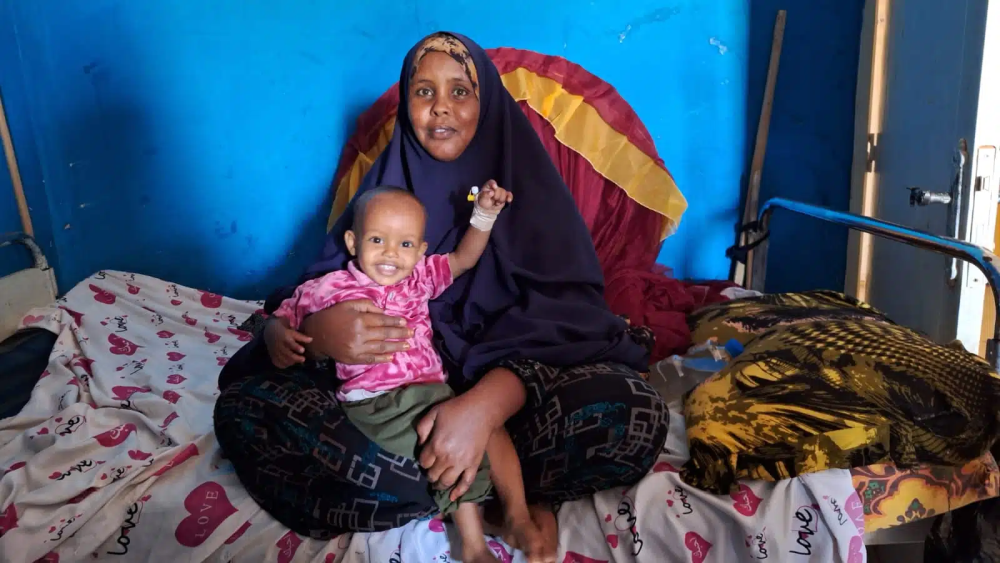
Sool came to Hargelle Hospital with her son Addimalik (20 months), who was suffering from malaria. After a few days, he is already feeling much better.
In communities where traditions guide daily life, capacity building goes beyond training health staff, it involves the collective effort of raising awareness across the entire community. By engaging with local customs and trusted leaders, ALIMA helps make healthcare services accessible and effective, creating a bridge between tradition and modern medical practices.
This project is made possible thanks to humanitarian funding from the European Union (ECHO) and the French Government (CIAA IFSAN).
Related Articles
The Ethiopian Doctor Bringing Medical Services to the Frontier of Health Inequality
Dr Lisanwork Honsebo has spent his career figuring out how to stretch scant resources to meet a gaping need. From Gavi, the Vaccine Alliance

Global Relief in Focus: 10 Images that Defined Humanitarian Aid in 2025
2025 was a year filled with conflict, disaster and disease—as well as the work of committed and courageous humanitarians who did everything they could to help. These photos from International Medical Corps highlight the people who made it happen.
From Residency to Impact: How Cure Blindness Project Empowered My Mission
At Cure Blindness Project, our work is defined by the dedicated clinicians who carry sight-saving care forward in their own communities. We’re honored to share the story of Dr. Abeba Tesfay of Quiha Hospital in Ethiopia—an inspiring ophthalmologist whose journey reflects the resilience, partnership, and long-term impact that strengthen eye care systems even in the most challenging circumstances. Her reflections illuminate how training, mentorship, and sustained collaboration can empower providers to rebuild, innovate, and expand access to quality eye care for all.