
Connor Gibson, a 22-year-old dental technology manager at RAM, taught himself dentistry and 3D printing to build the first mobile denture lab in the United States, delivering free, custom dentures in hours instead of months for Americans who cannot afford them.
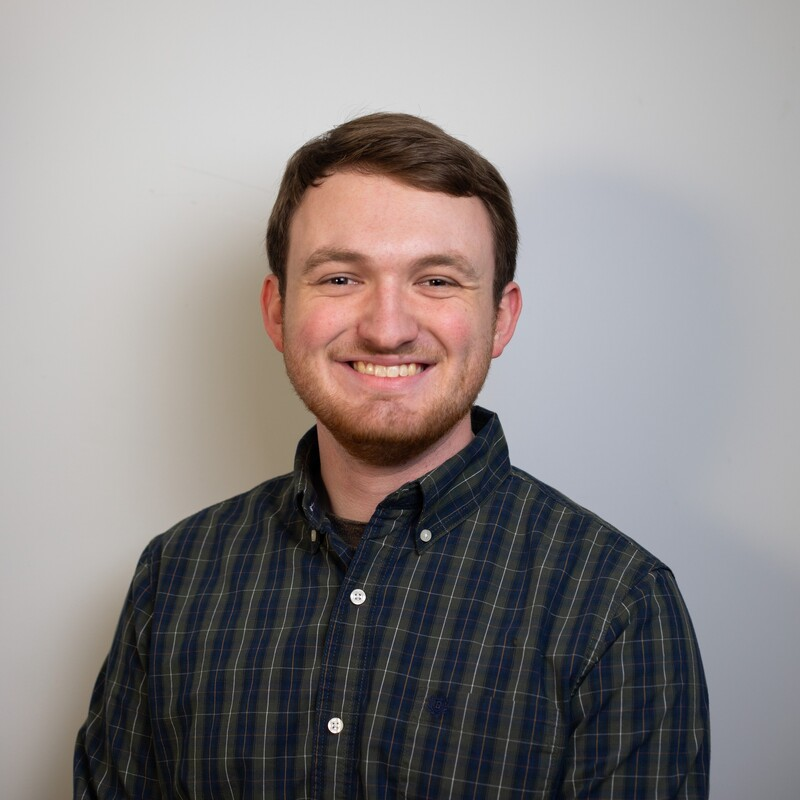
For people who have lost their teeth and have no way to pay to replace them, a new set of dentures has long meant a wait measured in months, if they could get them at all. The traditional method, with its molds, casts, and repeat visits, could stretch to three months at Remote Area Medical (RAM). Connor Gibson, a 22-year-old engineer, collapsed that timeline into a single clinic weekend.
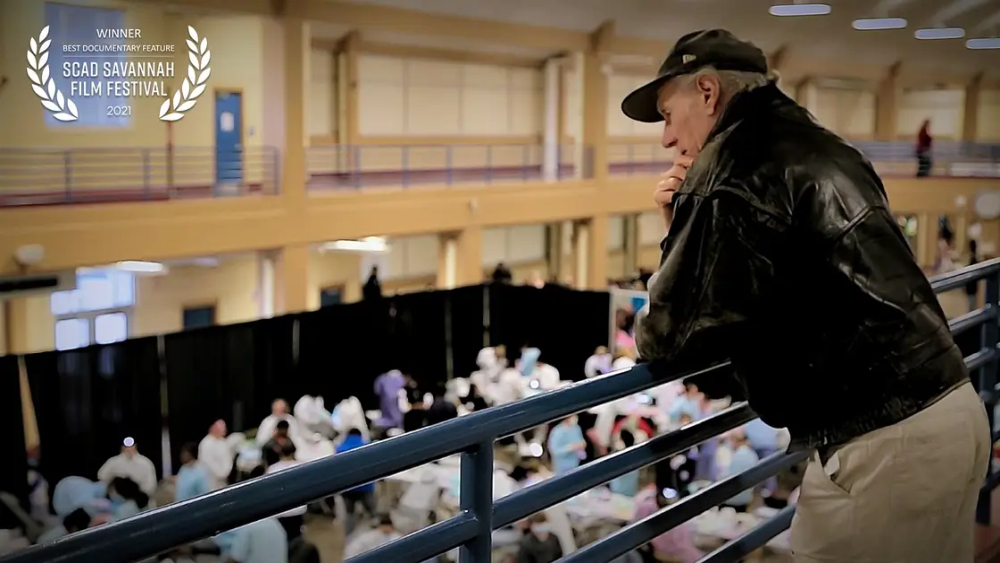
Gibson, a native of rural Seymour, Tennessee, came to the problem with no background in either dentistry or 3D printing. He first encountered RAM after seeing the 2020 documentary “Medicine Man: The Stan Brock Story” at a theater with his father in 2023. He had never heard of the nonprofit, despite its being headquartered in his own corner of the state. He began volunteering while studying engineering at Walters State Community College, at first simply escorting patients between the vision, dental, and medical stations, but quickly set out to speed up how dentures were made.
He taught himself the rest. Gibson had trained in computer-aided design, and he studied dental anatomy and the mechanics of 3D printing the way he would prepare for an exam, working through videos and documents until he could design a denture and print it. RAM CEO Chris Hall told CNN that Gibson taught himself the bulk of the dental vocabulary and anatomy needed to carry the project forward. The result was RAM’s Mobile Digital Denture Lab, which shrank denture delivery from three months to a few hours and cut costs along the way.
Gibson demonstrates the mobile digital dental lab in this video:
What keeps Gibson going are what he calls “mirror moments,” the instant a patient first sees a restored smile. He has watched tattooed men and elderly widows alike break down in tears. He told CNN that having a hand in something that moves a grown man to weep humbled him, and that he feels “beyond blessed” to do the work. On clinic weekends he sleeps in the lab itself, where two 3D printers run around the clock until every patient is served. His personal record so far is 35 dentures in a single weekend.
The need is vast. Roughly 72 million American adults, about 27% of the population, have no dental insurance, and Medicare in most cases does not cover dentures, implants, or routine dental care. As word of a RAM clinic spreads, patients line up by the hundreds and sometimes the thousands. Gibson’s frustration, he told CNN, is not being able to reach everyone. As he put it, “we’re all one slip or one fall away” from needing help.
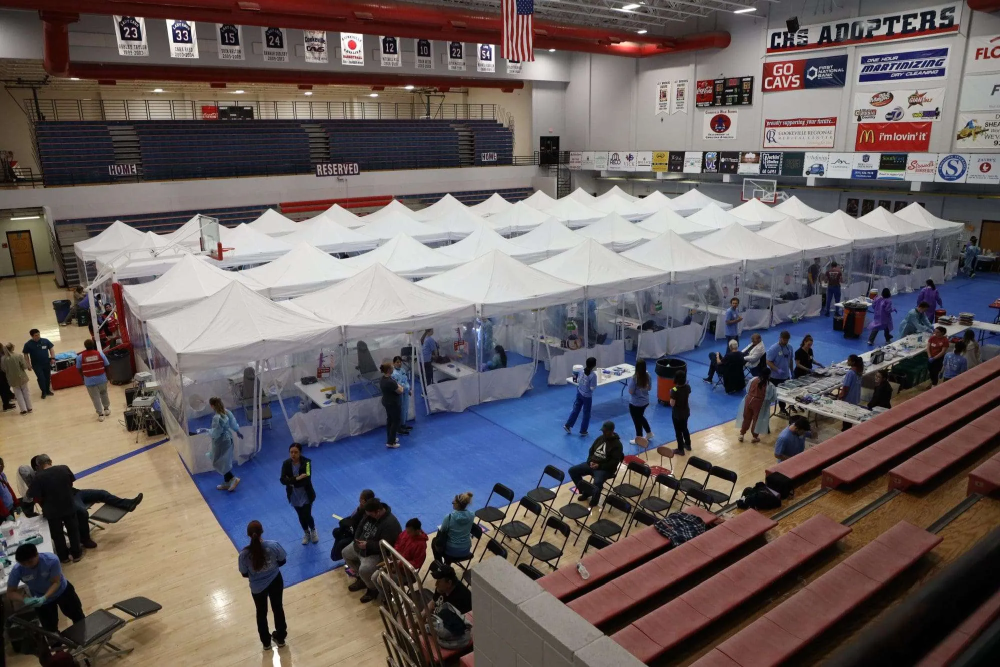
The work sits inside a larger mission. Remote Area Medical, based in Rockford, Tennessee, has served more than a million patients and provided nearly $240 million in free dental, vision, and medical care since its founding in 1985, with the help of some 230,000 volunteers. It was created by the late Stan Brock, the British adventurer and “Mutual of Omaha’s Wild Kingdom” co-star who devoted the rest of his life to free care for the underserved. Hall, who joined in 2013 when RAM held about a dozen events a year, said the organization plans more than 90 full-scale clinics in 2026. He sees Gibson as an heir to Brock’s legacy.
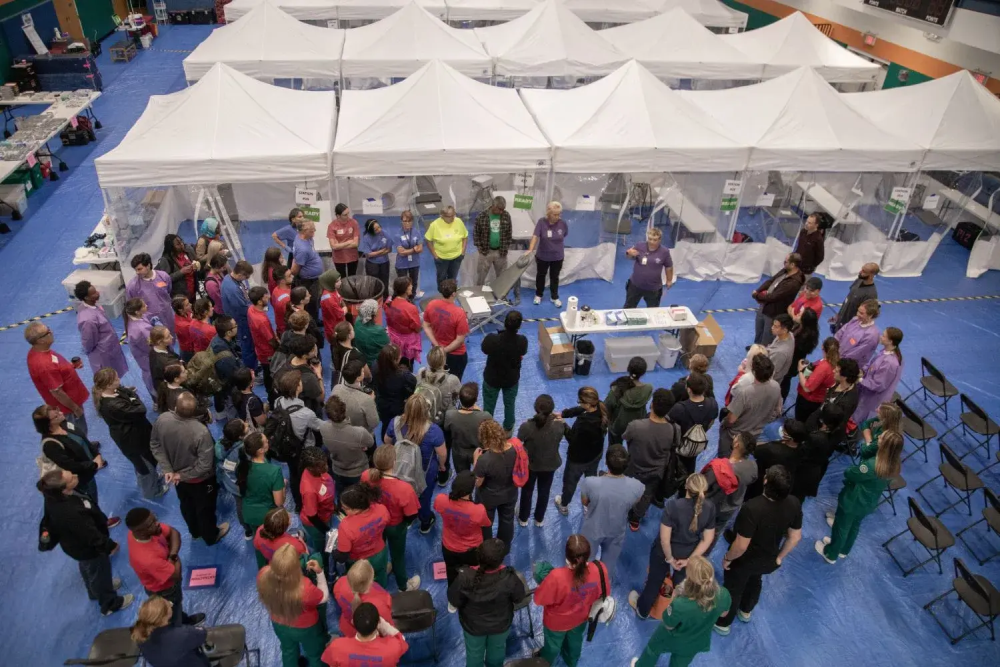
Attention has accelerated the effort. A “60 Minutes” segment in April featured RAM and Gibson’s denture work, and Hall told CNN that donations and volunteers have poured in since. A 3D printer manufacturer offered newer machines that would give RAM a fleet of three mobile dental units rather than its current single lab, enough to produce more than 100 dentures in a weekend and triple the number of mirror moments. Gibson, who secured RAM’s first printers through grants and was once turned away by vendors at industry conventions, has since been recognized at a dental convention as a leading voice in mobile digital dentistry. He hopes to have the new labs running by year’s end.
For a patient who has gone years unable to smile in a photo or eat a meal in comfort, the engineering is almost beside the point. What matters is that the wait is now an afternoon, and the cost is nothing.
Learn more about RAM in this episode from 60 Minutes:
This summary is based on the following articles:
- Mobile Digital Denture Lab, by Allison McCauley-Cook for RAM
- This 22-year-old engineer 3D prints dentures to give low-income Americans their smiles back, by Wayne Drash for CNN
Related Articles
Duke Students Bridge Healthcare Gaps in North Carolina’s Rural Communities
Duke undergraduates partner with medical professionals to deliver essential healthcare services to underserved areas through Remote Area Medical, demonstrating how student advocacy and volunteer coordination can transform access to medical care in remote parts of North Carolina.

UC Students Bring Free Healthcare to Cincinnati’s Doorstep
The University of Cincinnati’s Remote Area Medical chapter organized a free clinic serving 235 patients. Their efforts highlight the critical need for accessible healthcare in both rural and urban communities.

Remote Area Medical Founder Stan Brock Honored Posthumously
Remote Area Medical, founded by Stan Brock in 1985, has revolutionized free healthcare delivery to underserved communities. Brock’s induction into the Tennessee Health Care Hall of Fame recognizes his pioneering efforts in breaking down barriers to medical access across America.