Strengthening community acceptance and breaking the chains of transmission.
By UNICEF
First published July 27, 2026 by Gavi, the Vaccine Alliance
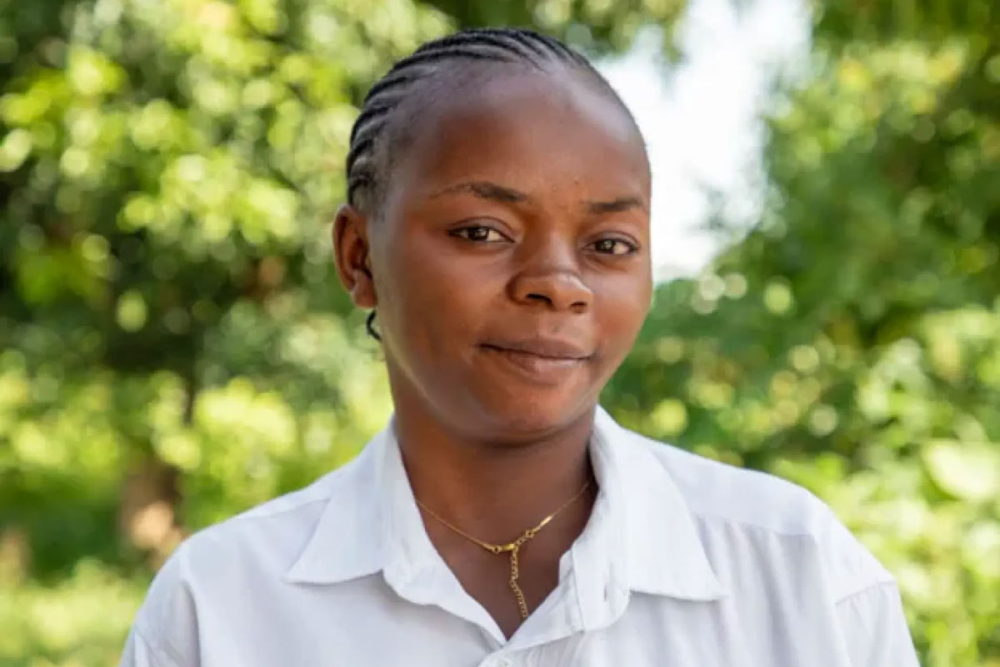
“When we go to the communities, some people welcome us warmly, while others are much more reluctant,” explains Birwrengi Bamanyisa, 20, a student and community mobiliser (relais communitaire) in the Rwampara health zone, near Bunia, the capital of Ituri Province.
Since the announcement of the first Ebola case on 15 May 2026, Rwampara has become one of the epicentres of the epidemic in eastern Democratic Republic of the Congo. A few days later, on 21 May, images showing an angry mob attacking the Ebola treatment centre circulated around the world. Today, the situation has gradually calmed down, thanks in particular to the work of community mobilisers like Birwrengi. Under the supervision of local health facilities, these volunteers are raising awareness among the population about the risks associated with Ebola, preventive measures and how to behave if symptoms appear.
“Some people insult us,” she says. “But, seeing relatives or neighbours fall ill, communities are gradually becoming aware of the seriousness of the situation.” In the three eastern provinces initially affected by the epidemic — Ituri, North Kivu and South Kivu — UNICEF has trained and deployed more than 1,600 community health workers and community health agents. These individuals are conducting door-to-door awareness campaigns to share reliable information and combat rumours. Meanwhile, other local volunteers are providing psychological support to those affected by the epidemic, which has already claimed the lives of at least 130 people.
“Being from this community and being known at the church where I teach catechism is a considerable advantage,” explains Dieudonné Bamuhiga, a mental health and psychosocial support worker in the Rwampara health zone. “It’s essential to prepare people for the news they’re going to receive. When they’re prepared, they’re more willing to listen, understand and accept the message.”
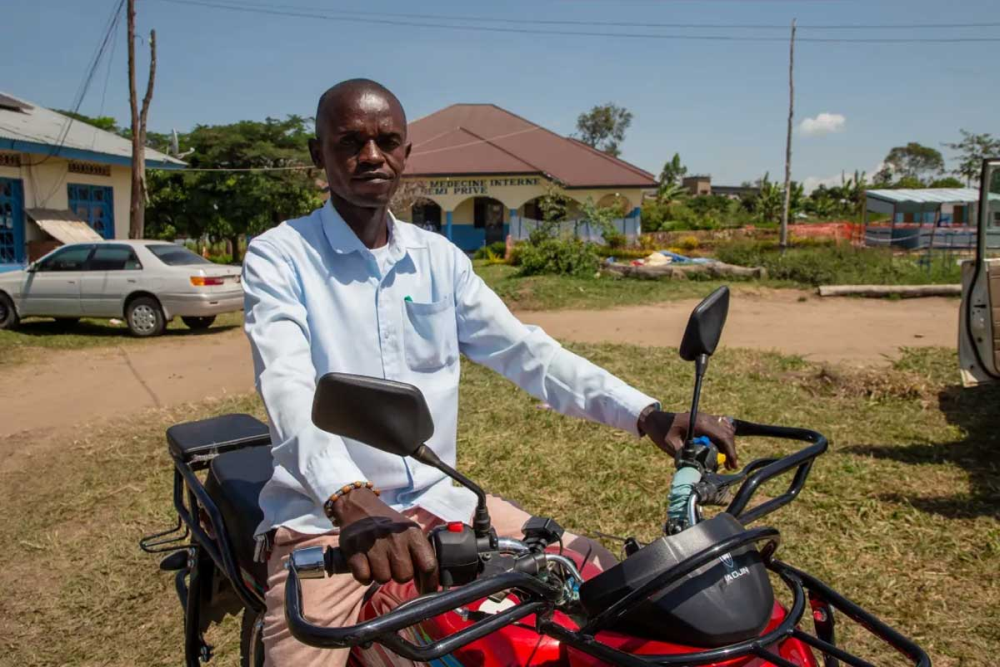
Using one of 100 motorcycles provided to the government response by UNICEF, with financial support from the United States government, Dieudonné travels to affected communities to deliver vital support to children and families impacted by the epidemic, especially orphans and widows.
“Within the Social Affairs Division [DIVAS], we contribute to the Ebola response by providing psychosocial support to patients and their families. We help them cope with test results, bereavement and the many challenges brought on by the disease. We organize family consultations and visit communities to support affected children and families. Some people accept bad news more easily, while others struggle more. Some even refuse to believe that Ebola is real,” he explains.
Previous Ebola outbreaks have demonstrated the crucial importance of community communication and mobilization in the fight against the epidemic. On the ground, legitimate concerns of the population are often mixed with misinformation and rumours, amplified by anonymous posts on social media and online platforms.
In this context, UNICEF plays a key role within the “Risk Communication and Community Engagement” pillar of the response coordinated by the Ministry of Health. The organization supports the deployment of community health workers and community mobilisers, while ensuring that community concerns, needs and feedback are taken into account in response decisions. Community engagement and participation remain central to the Ebola response strategy. Mobilisers promote community surveillance, early detection, rapid referral of patients to care services and the adoption of behaviours that reduce the risk of transmission.
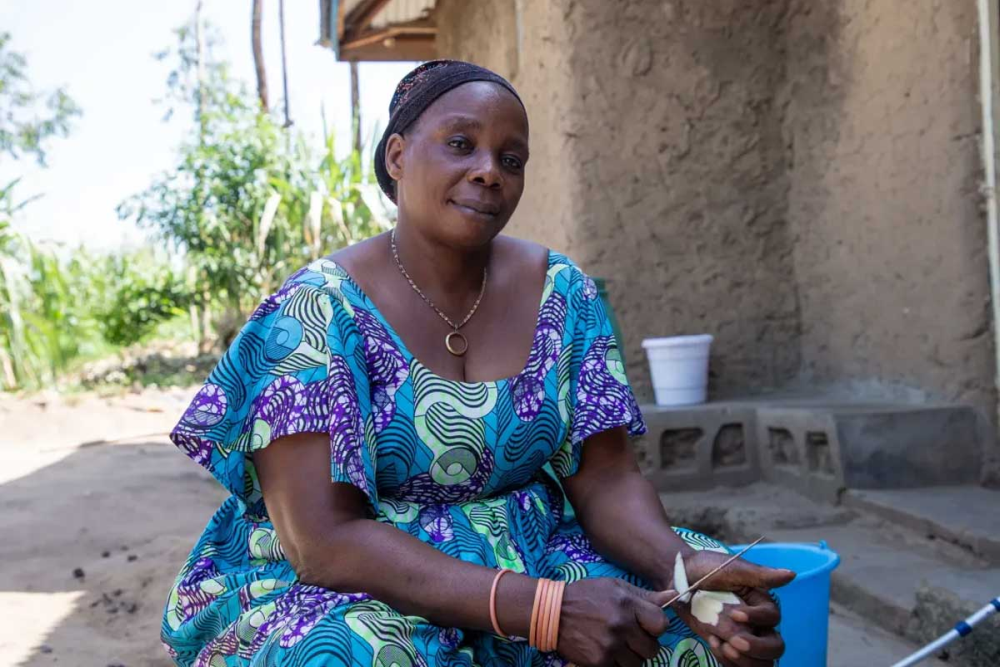
During our home visits in Rwampara, Chantal Kirikaija, a teacher and community resident, expressed her appreciation for the work carried out by the community mobilisers.
“This is the second time I’ve been visited by community mobilisers,” she says. “The information they share is helpful, even though I think I already know a lot of it. For my part, I’m convinced Ebola exists because we’ve seen people die in our community. Before these deaths, many residents were more sceptical.”
One of the main messages that community mobilisers strive to convey is the importance of seeking prompt medical attention at an Ebola treatment centre. Early intervention not only increases patients’ chances of survival but also limits the spread of the virus within the community.
“Some people still think that those who are sick die in the hospital,” explains Gloria Angomgio Ezile, 23, a student and community mobiliser. “We explain to them that there are treatments that can relieve symptoms and significantly improve the chances of recovery.”
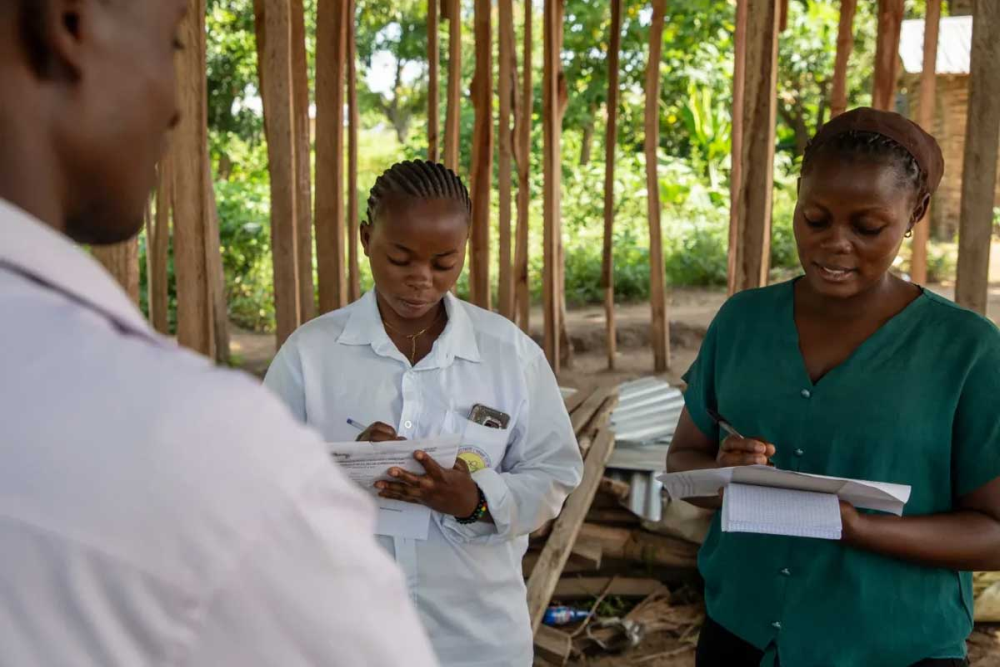
The earlier people receive care, the higher their chances of survival. Community health workers and community mobilizers trained and deployed by UNICEF and its partners have already reached more than 160,000 households in areas affected by the outbreak. In Ituri, community mobilizers have been deployed in all 36 health zones of the province, contributing to the reporting of more than 650 suspected cases within communities.
These efforts are reinforced by other communication channels. Prevention messages about Ebola and available services are being broadcast in French, Swahili and Alur by local radio stations throughout the province. More than 2,000 community members, local leaders, journalists, and other influential stakeholders have also participated in risk communication and community engagement activities aimed at strengthening awareness, confidence in the response, and early reporting of suspected cases.
Significant challenges remain, however. A text-based survey conducted in May 2026 via UNICEF’s U-Report platform, in which 50,000 people participated, revealed that 64 per cent of respondents still did not understand how the Ebola virus is transmitted, while 63 per cent did not know how to protect themselves. Even more concerning, one in five people did not believe the disease existed. For communities, radio remains the most reliable source of information, and 57 per cent of respondents said they would go to a health centre as soon as they experienced the first signs or symptoms.
For Micheline, a 22-year-old community mobilizer in Bunia, these challenges only strengthen her resolve. “Some people are willing to listen to us, others refuse. But our mission is to help the population. I remain committed because I know our work can save lives and protect our community,” she says.
As the Ebola response continues, community engagement remains a crucial pillar in breaking the chains of transmission. Thanks to the dedication of thousands of volunteers and community health workers, people have access to reliable information and close support that helps save lives and strengthen the resilience of affected communities.
This article was originally published by UNICEF: Original article
Related Articles
In Tchunga, DRC, Motorbikes Facilitate Community Surveillance in the Ebola Response
Health teams supported by UNICEF use two wheels to verify alerts, trace contacts and conduct investigations in villages in the Democratic Republic of the Congo.
How a Peer Network is Mobilising Against Bundibugyo Virus in DRC and Uganda
As a rare strain of Ebola spreads in eastern Democratic Republic of the Congo, health workers and responders in affected communities are activating an established peer-learning network to bolster their response. From Gavi, the Vaccine Alliance
Facing a New Ebola Threat, A Goma Clinic Steps Up
The Jericho Road Wellness Clinic in Goma, in the Democratic Republic of the Congo, will receive $2.5 million in personal protective gear, medication, and supplies from Direct Relief. A significant number of these items will be used to protect staff and treat patients at a district Ebola containment center.