
Direct Relief-supported flights are moving doctors, blood units, medicines and specialists across a disaster zone spanning major cities and remote communities.
By Noah Smith
First published August 25, 2026 by Direct Relief
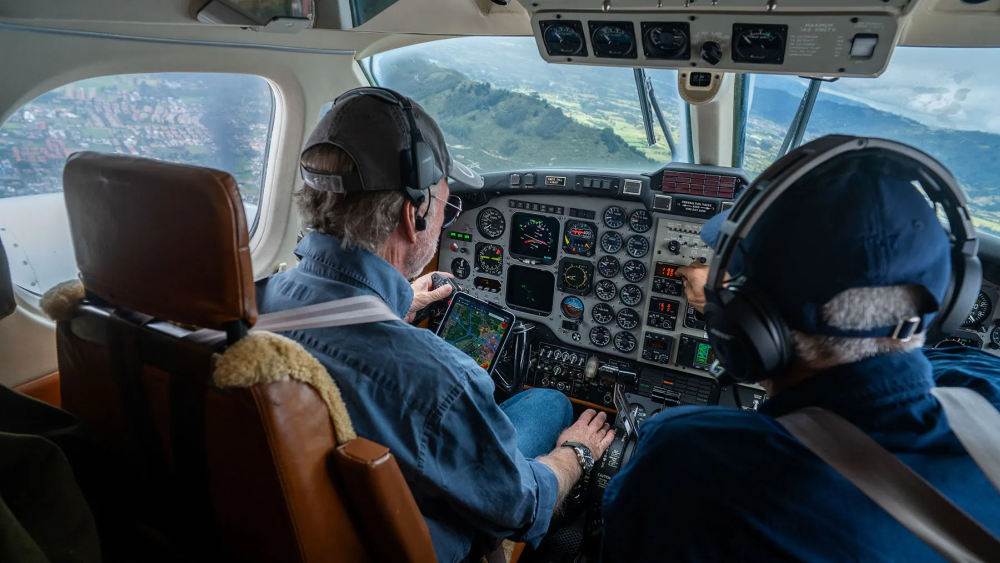
After a 7.4-magnitude earthquake struck western Colombia on August 10, terminal damage at the city of Pereira’s airport was enough to stop commercial flights, but not the smaller planes carrying humanitarian aid.
“We had the opportunity to get to this airport. We were the only option,” said Pamela Estrada, director general of Patrulla Aérea Civil Colombiana, or PAC, an organization of volunteer pilots that quickly mobilized after the quake.
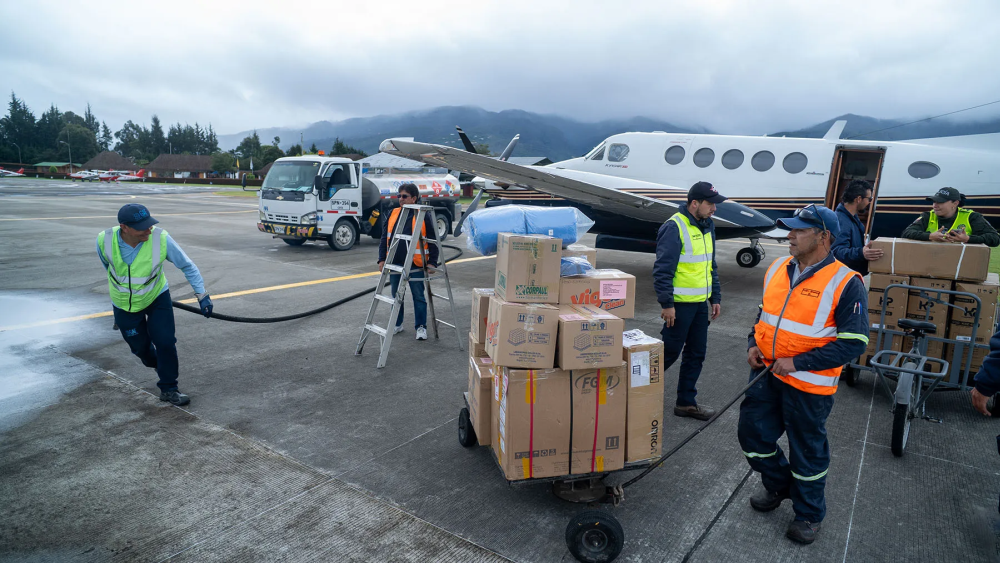
Pereira’s airport serves a metropolitan area of more than 700,000 people, but the quake created access problems far beyond the city. The earthquake that struck western Colombia killed more than 300 people and damaged major cities as well as isolated communities across Chocó and the Pacific region.
Unlike emergencies centered in one city or region, this disaster required responders to move people and supplies among multiple damaged areas at once.
“This is different from other emergencies,” Estrada said.
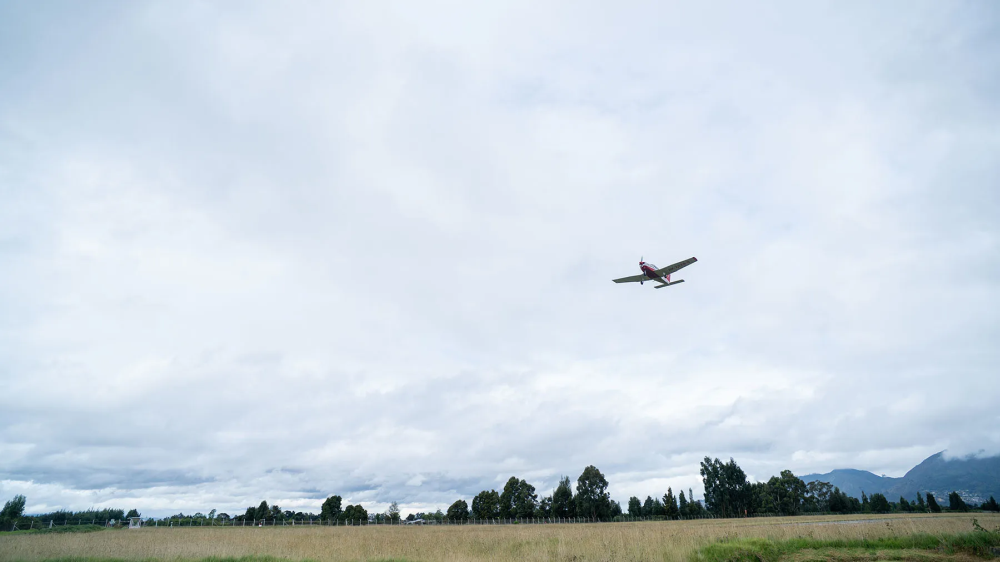
PAC was founded six decades ago by pilots who offered their own planes and time. The organization says it now has Colombia’s largest health volunteer corps and the region’s largest private aircraft fleet dedicated to humanitarian work. About 70 volunteer pilots operate roughly 20 aircraft.
Direct Relief, which has supported PAC during previous disasters in Colombia, is now supporting PAC’s procurement of urgently needed medical supplies and its humanitarian flights into affected communities.
Addressing Complex Medical Needs and Overwhelmed Health Infrastructure
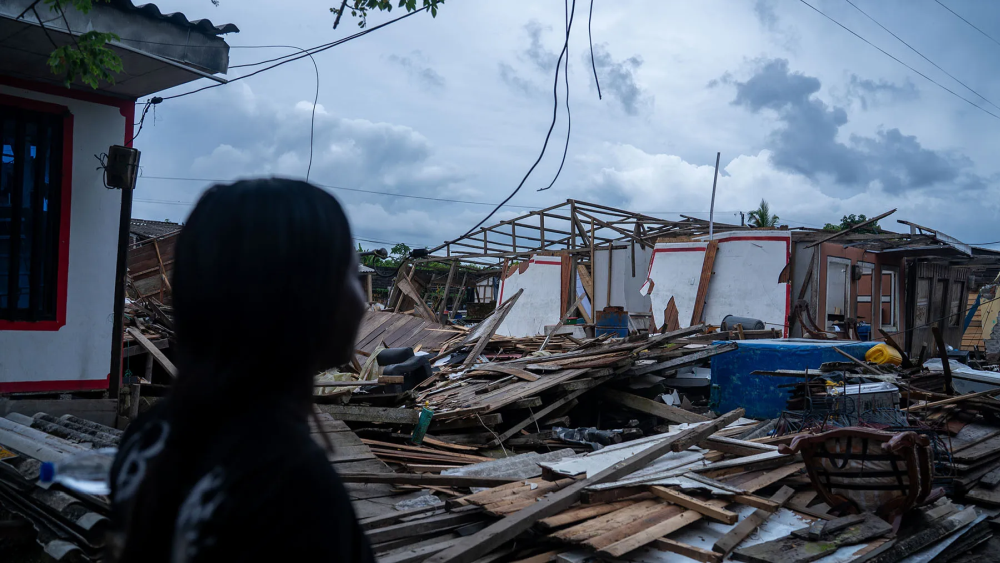
Earthquakes can create a cascade of medical needs, beginning with fractures, lacerations, head injuries, and crush injuries caused by falling debris or collapsed structures. Severe crush injuries can damage muscle tissue and lead to kidney failure and other life-threatening complications without rapid treatment.
The influx of trauma patients can overwhelm hospitals already contending with damaged facilities, power interruptions, and depleted supplies. At the same time, displacement can interrupt care for diabetes, heart disease and other chronic conditions, while crowded shelters and damaged water and sanitation systems increase the risk of wound infections and waterborne illness.
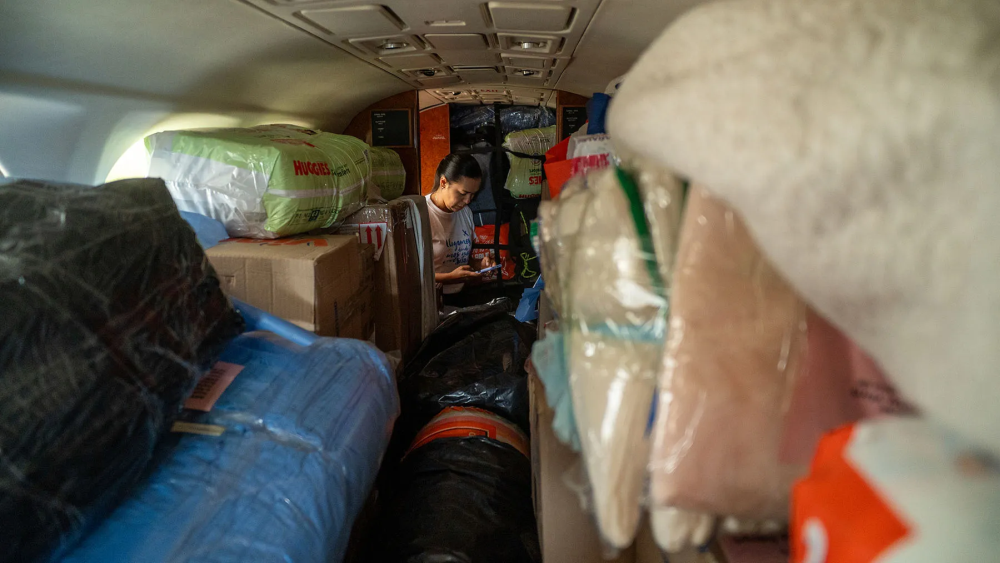
The day after the quake, Estrada said, PAC dispatched four planes carrying doctors and medicines to Chocó, where difficult terrain, damaged roads and limited institutional capacity complicated the response.
The organization then sent doctors, wheelchairs, crutches and other requested supplies to Pereira. Orthopedists there provided lists of specific items needed for patients. Flights also supported Buenaventura, Colombia’s main Pacific port, where poverty and geographic isolation created additional obstacles.
Requests have come from Colombia’s Ministry of Health and local health secretariats, Estrada said. PAC has also worked with the Colombian Red Cross to move blood to Quibdó and transported locally based doctors who already understand the communities they are serving.
For communities across Colombia’s Amazon and Pacific regions, aircraft may be the only practical means of access. Many places can be reached only by air or water.
“We have our planes,” Estrada said. “We can fly almost anywhere in Colombia.”
From Emergency Response to Long-Term Recovery
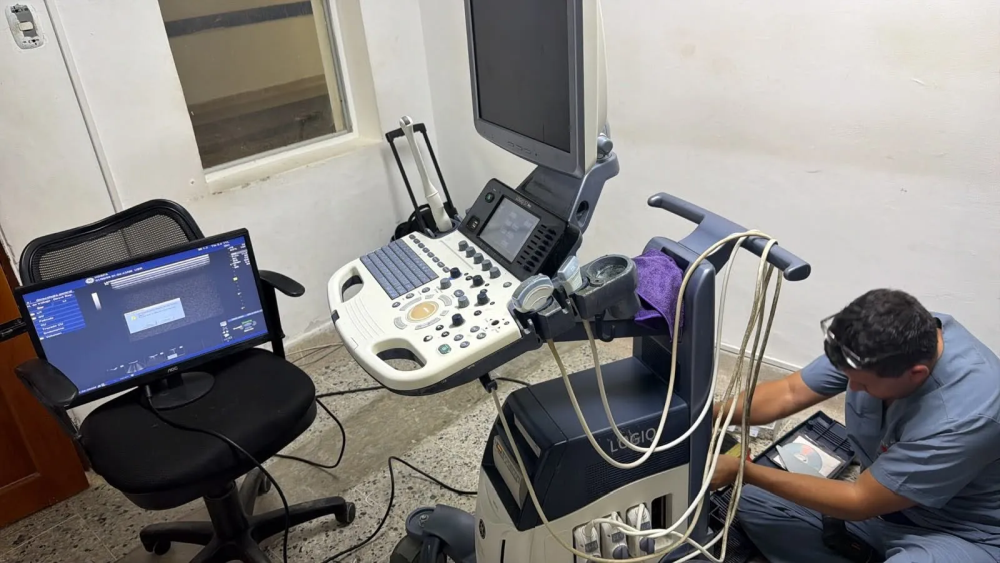
After the initial response, lasting three days, requests from local partners began to change.
With thousands of people remaining outside damaged homes, PAC began transporting civil engineers to Pereira and Quibdó to determine which buildings were safe to enter. The group has also moved Starlink satellite internet terminals into communities where power, mobile phone service and internet access remained down, including San José del Palmar, near the quake’s epicenter.
PAC’s mission also extends to serving people in temporary camps and prisoners in Buenaventura, where already difficult living conditions worsened after the disaster.
The changing flight manifests speak to the evolving nature of the overall response.
“The first moment is medical response,” Estrada said. “Now we need to start thinking about hospital and medical center reconstruction.”
Related Articles
Meet the Health Workers Restoring Care at the Colombia-Venezuela Border
Dedicated health workers are bringing critical care to migrants who have never seen a doctor. Project HOPE partners with local clinics to provide primary care, maternal health services, and mental health support to displaced families navigating the ongoing crisis.
Strengthening Maternal and Newborn Health Amid Migration
USAID’s innovative Mentor Hospital strategy in Colombia has shown remarkable success in protecting maternal health amid unprecedented Venezuelan migration, with doctors leading vital training programs that have dramatically reduced mortality rates in vulnerable communities.
Darién Gap Humanitarian Response by MTI
Medical Teams International launches an innovative storefront and expands health care education and access to services in Colombia.