
When a devastating earthquake left thousands homeless and fearful, International Medical Corps stepped in with lifesaving care and emotional support, helping families find hope and resilience.
Written by M. Maseeh Shams, Communication Manager; photos by International Medical Corps
First published December 16, 2025 by International Medical Corps
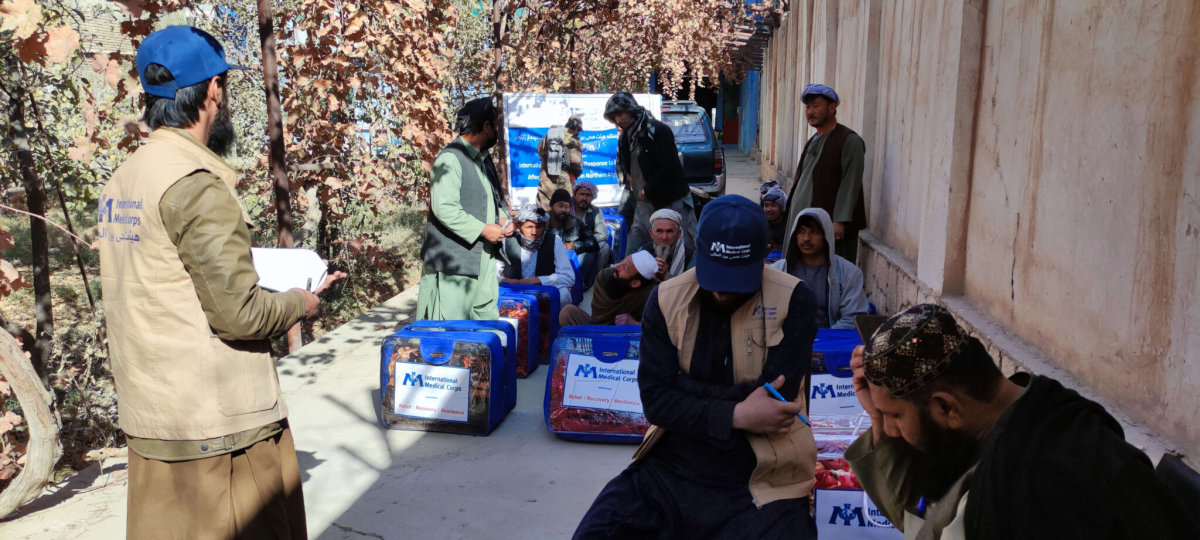
On November 3, a powerful 6.3-magnitude earthquake struck northern Afghanistan, affecting more than 3,000 families across six provinces. Balkh and Samangan were among the hardest-hit provinces, with thousands of homes destroyed or damaged, leaving families exposed to freezing temperatures and struggling to survive. Schools and water sources were disrupted, hygiene conditions deteriorated, and psychological distress among children and caregivers rose sharply as winter approached. In response, International Medical Corps mobilized its mental health and psychosocial support teams to provide urgent assistance.
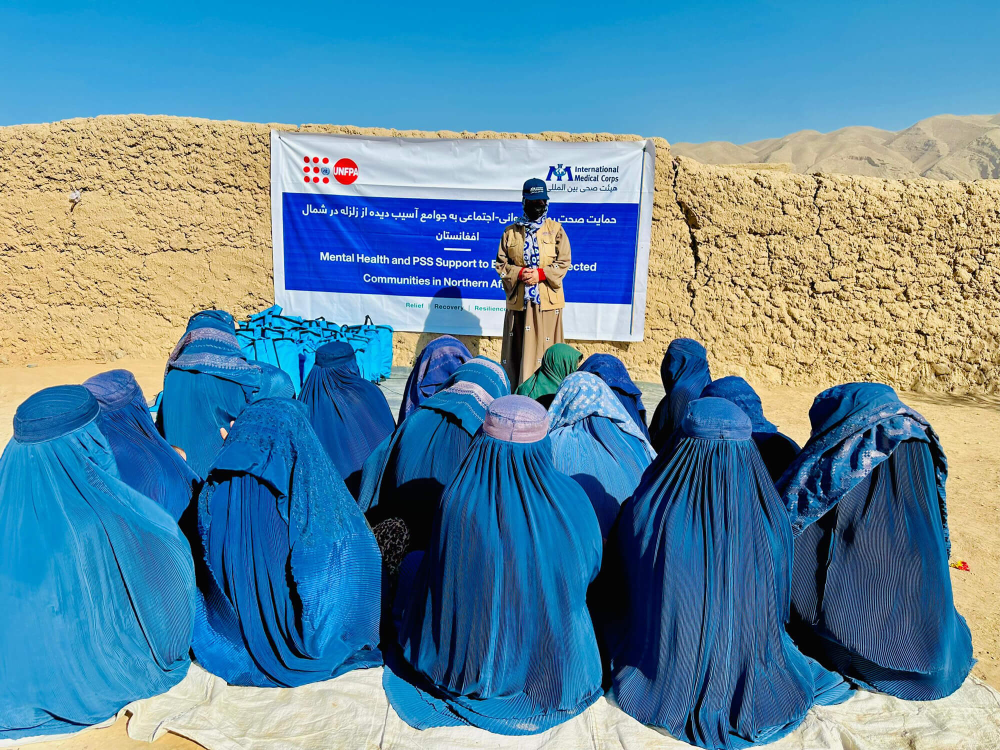
“In the aftermath of a disaster, the most lasting wounds are often those we can’t see,” says Dr. Mohammad Zahir, Field Director with International Medical Corps in Afghanistan. “Our mental health programs provide survivors with the support they need to process trauma and find hope, despite the destruction.”
Shafiqa*, a 35-year-old woman from Balkh province, described how fear had taken over her life after the earthquake. She experienced sleepless nights and overwhelming anxiety, trembling at the smallest sound.
“Since the earthquake, I had not been able to sleep peacefully, and every small noise frightened me,” she said. When a psychosocial counselor spoke with her, Shafiqa broke down in tears, sharing her struggles. The counselor listened to her and reassured her that her feelings were normal following a distressing event. Later, in a group session, Shafiqa learned relaxation techniques and coping strategies. Most importantly, she realized she was not alone.
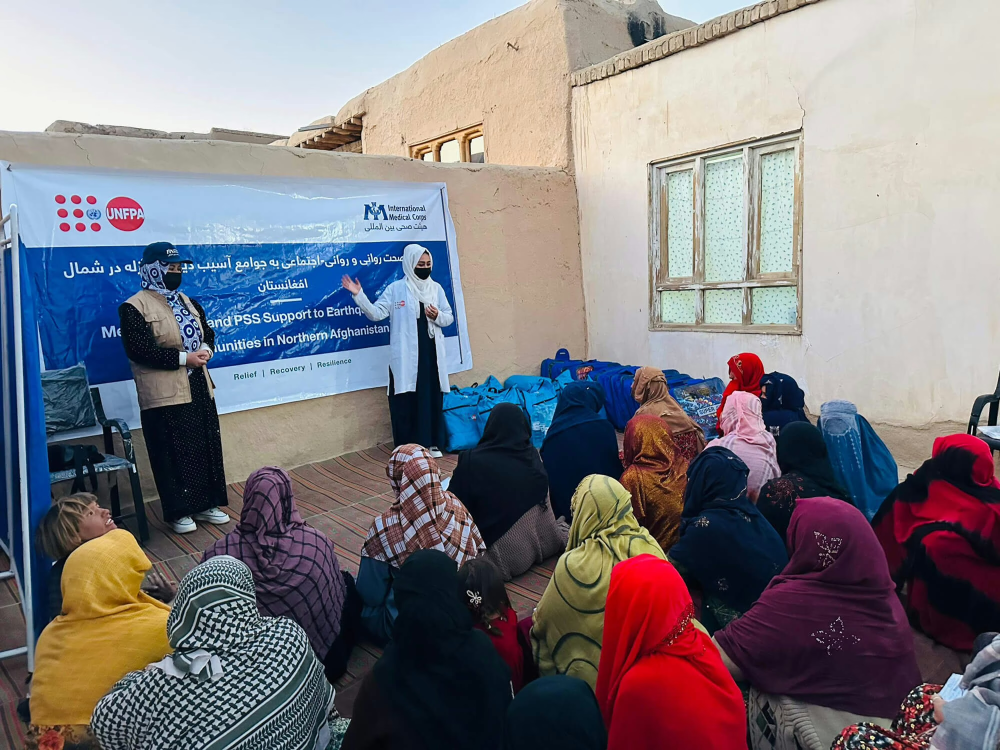
“I saw that other women also carried similar pain and fear, and realized that we could support each other,” she recalled. At the end of the day, when the team distributed clean drinking water and dignity kits, Shafiqa said, “I felt happy, not only because of what we received, but because someone truly cared about us and stood by our side. I feel my emotional and psychological state has improved, and I have begun to regain peace in my life.”
In another village in Balkh province, Manizha* shared a similar experience. She spoke with a trembling voice about her constant fear and sleepless nights.
“Every small sound terrified me,” Manizha explained. “I constantly feared that another earthquake might strike or that my family might be in danger.”
An International Medical Corps counselor created a safe space for her to share her feelings and introduced simple techniques, such as deep breathing and progressive relaxation. During the session, Manizha learned that her symptoms—insomnia, anxiety and sudden fear—were normal responses to adverse events. By the end of the session, the change was clear.
“I feel like hope has returned to my heart,” she explained. “This session truly brought me peace. I feel lighter, I can breathe more easily and I no longer feel completely alone.”
For the counselor, this was a powerful reminder that compassionate listening and practical support can bring light to even the darkest days.
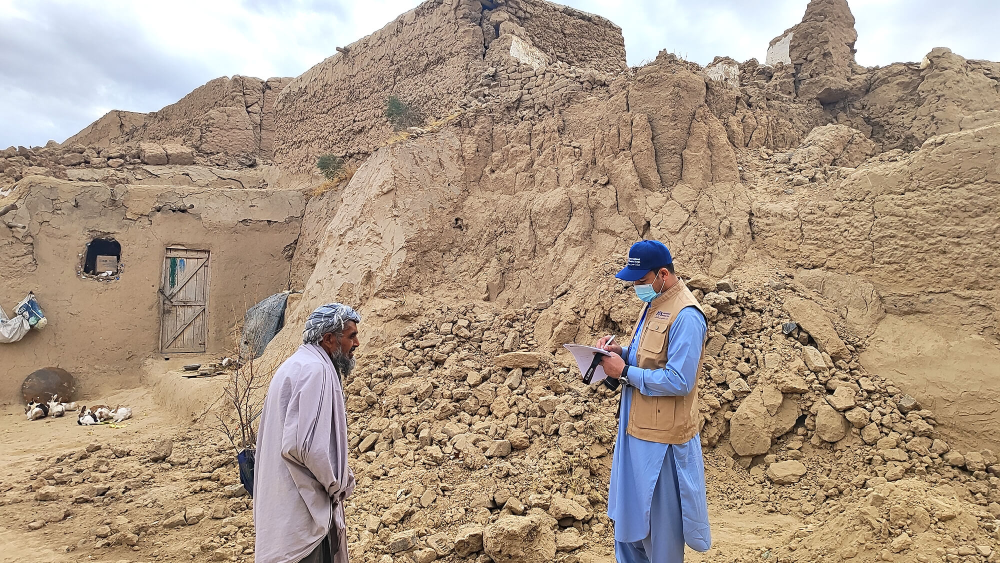
Shafiqa and Manizha’s stories reflect the strength of Afghan communities and the profound impact of psychosocial support—reminding us that recovery is not just about rebuilding homes, but also about restoring dignity and peace. Through listening, care and simple techniques, we are rebuilding lives and restoring hope.
During International Medical Corps’ response, our teams provided more than 350 individual counseling sessions, conducted more than 2,260 awareness-raising sessions and organized dozens of focus-group discussions, helping communities to cope with trauma and become more resilient. We also distributed 200 winter blankets, more than 350 dignity kits and thousands of liters of clean drinking water, ensuring that families have access to protection against harsh weather conditions, hygiene and safe hydration. These efforts reflect our commitment to addressing both immediate needs and long-term recovery. Learn more about our work in Afghanistan.
*Not her real name.
Related Articles
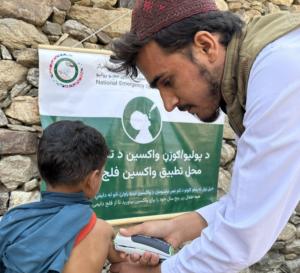
Protecting Children Without Fear: A New Way to Vaccinate Against Polio in Afghanistan
Needle-free jet injectors are transforming polio vaccination in Afghanistan, eliminating fear and building trust among families who previously hesitated—and helping bring one of the world’s last polio-endemic countries closer to eradication. From the Global Polio Eradication Initiative

Global Relief in Focus: 10 Images that Defined Humanitarian Aid in 2025
2025 was a year filled with conflict, disaster and disease—as well as the work of committed and courageous humanitarians who did everything they could to help. These photos from International Medical Corps highlight the people who made it happen.
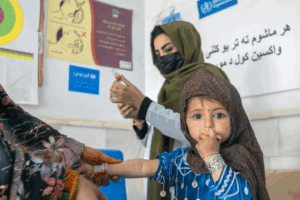
Keeping the Lights on for Immunization
With KSrelief, UNICEF is powering 13 hospitals to store vaccines safely for women and children in Afghanistan.