
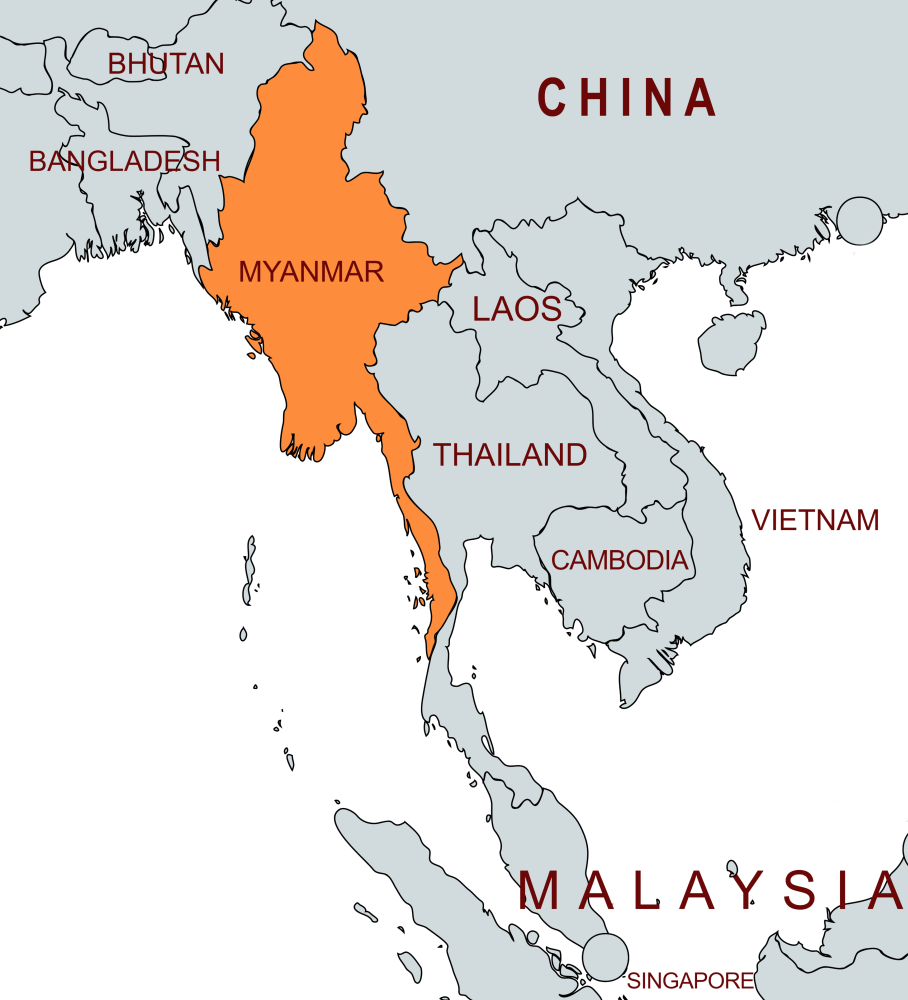
In a jungle classroom somewhere in Myanmar, 21 student nurses recently completed a three-year degree program. They dodged spy drones, survived airstrikes, and studied by dim light to avoid detection. Their graduation this week marks a quiet but extraordinary milestone in one of the world’s most brutal conflicts.
Since the military coup of February 2021, Myanmar’s health system has been systematically dismantled. The junta occupied hospitals, disbanded professional councils, and shut down nursing education. Hundreds of health workers have been killed or imprisoned. Of the nearly 1,900 documented incidents of violence or obstruction against health care since the coup, roughly 70 percent are attributed to the Myanmar armed forces.
Faced with this assault, nurses and other health workers made a choice. In overwhelming numbers, they joined a nationwide civil disobedience movement, knowing that refusing to work in militarized hospitals could mean arrest, disappearance, or death. Then they went underground, stitching together a parallel health system from improvised clinics, jungle hospitals, and displacement camps.
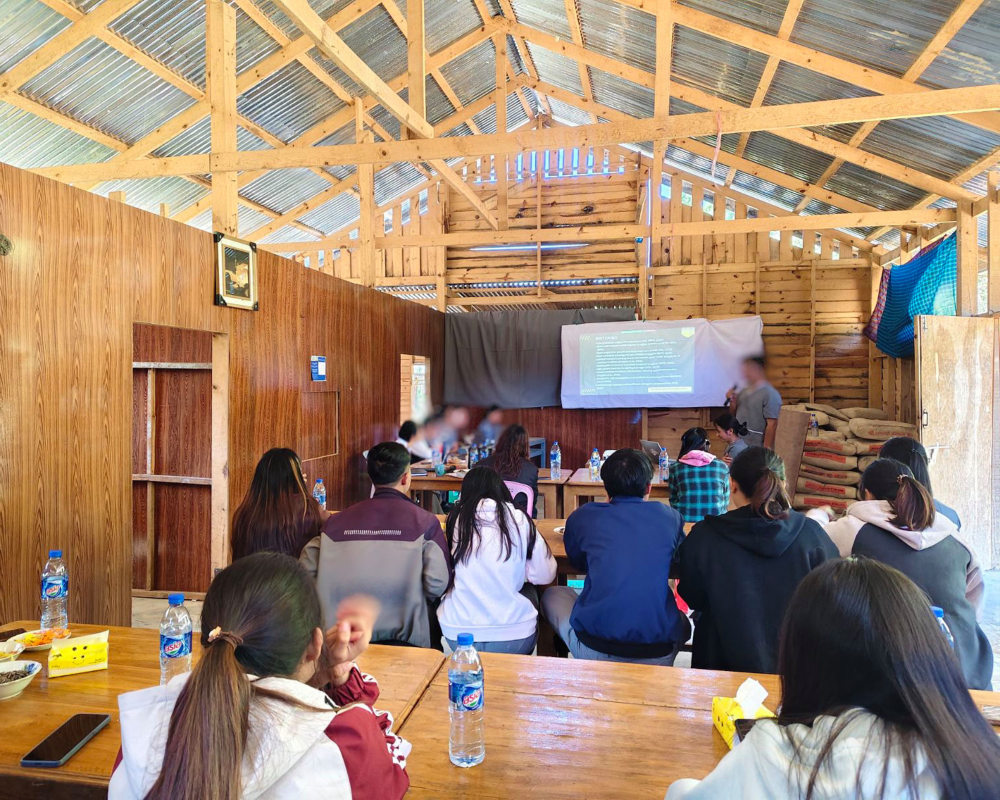
What emerged was remarkable. Working with the UK’s Royal College of Nursing, Myanmar nurse educators designed and recorded an entire undergraduate nursing curriculum — 58 modules, 2100 hours of teaching — delivered via Starlink internet to basic jungle classrooms. Local facilitators guided students through the recorded sessions. Clinical practice took place in the same dangerous settings where the students already work. The result is the Phoenix Bachelor of Nursing Science, the first nursing degree developed and delivered entirely within a conflict setting, aligned with International Council of Nurses standards.
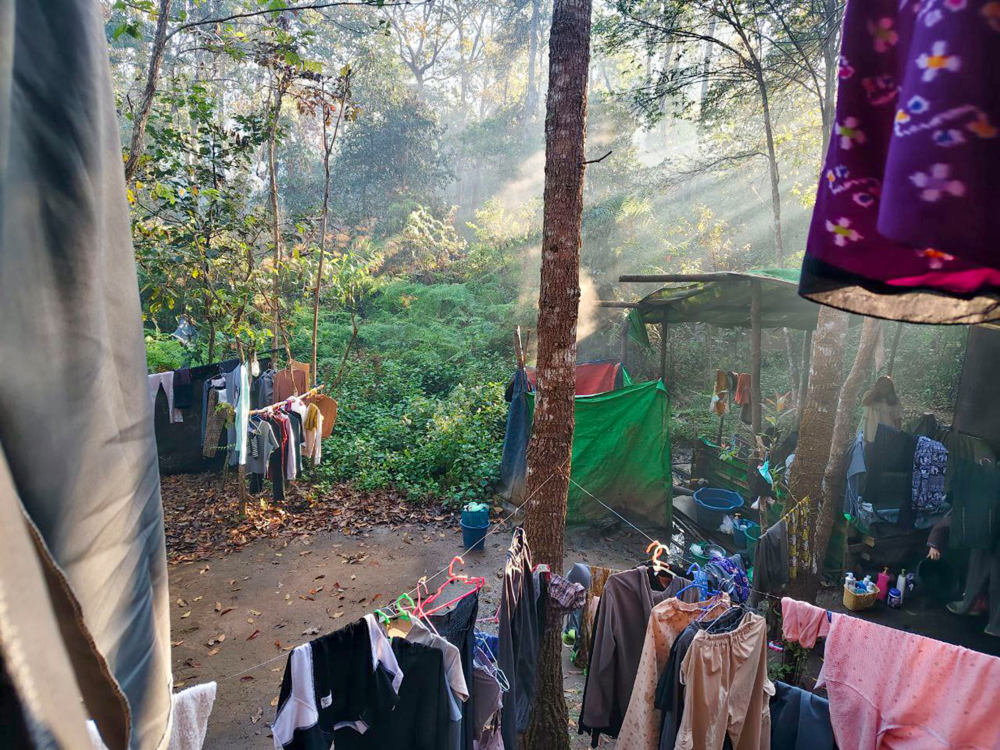
Students have studied in near-darkness to avoid drone strikes. They have cared for victims of airstrikes and evacuated patients under fire. Supply shortages are constant — even basic medications are difficult to obtain in bulk, as the junta blocks supply routes into resistance-held areas. Portable ultrasound is a luxury. MRI scanners are a distant memory.
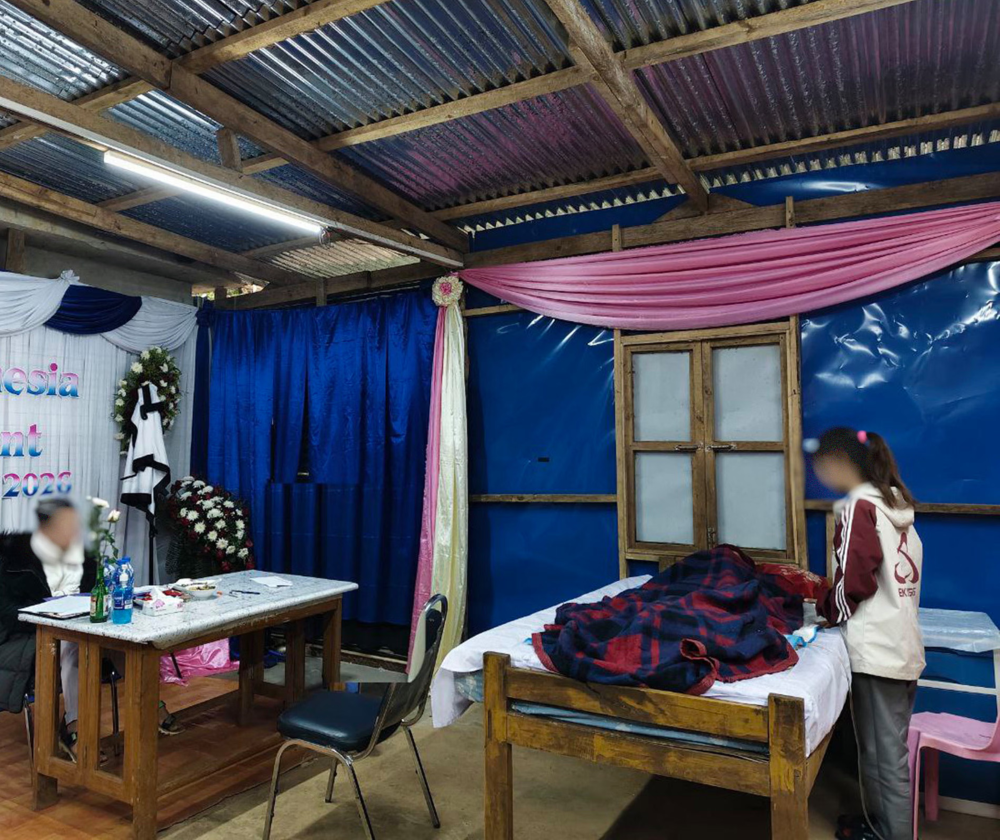
The program now has more than 100 students across five cohorts, with an additional bridging track for diploma nurses seeking degree-level credentials. The name “Phoenix” was chosen deliberately. As one student wrote in a letter to the RCN: the name “symbolises rising from the ashes of the destruction the coup has caused.”
A Global Crisis for Health Workers
Myanmar is not alone. The Royal College of Nursing’s recent report, Care Amongst the Chaos, documents a catastrophic global trend: between 2016 and 2024, the number of health workers killed in conflict and insecure settings increased fivefold, reaching 932 deaths in 2024 alone. That same year saw 2,724 separate incidents in which health workers were harmed. Attacks on health vehicles — ambulances and medical transport — increased nearly sevenfold over the same period.
In Afghanistan, the Taliban’s return to power has devastated nursing’s future. Women have been banned from nursing and midwifery training, leaving health systems without a pipeline of workers and denying trained nurses their credentials, income, and professional futures. In Sudan, a catastrophic civil war that erupted in 2023 has devastated what was already one of the world’s most fragile health systems, leaving nurses attempting to deliver care amid mass displacement and the near-total collapse of medical infrastructure. The RCN is now working to support the next generation of Sudanese nurses even as the conflict continues. In Malawi, one of sub-Saharan Africa’s poorest countries, nurses face a different but equally grinding reality — severe workforce shortages, limited infrastructure, and high rates of disease burden — while the RCN works to strengthen mental health services and build research and leadership capacity there.
The RCN’s International Nursing Academy, established in 2024, is now operating programs in Myanmar, Gaza and the West Bank, Ghana, Malawi, Sri Lanka, Sudan, and UK Overseas Territories, supporting nursing education, clinical skill-building, and leadership development in some of the world’s most dangerous environments. The organization has called on governments worldwide to uphold international humanitarian law, reverse aid cuts, and stop the normalization of attacks on health care infrastructure.
What Nurses Carry
Behind the statistics are people doing extraordinary things under impossible conditions. In Myanmar, nurses who had begun their training before the coup joined the resistance and kept working. They have set up mobile clinics, performed home deliveries when hospitals closed, and accompanied critically ill patients through active conflict zones.
The psychological burden is immense. Nurses in conflict zones face grief, fear, and moral injury on a scale most health systems never prepare them for. The RCN report emphasizes that burnout, trauma, and PTSD are widespread. Structured mental health support, confidential and culturally appropriate, remains urgently lacking.
Women bear a disproportionate share of this weight. Roughly 90 percent of the global nursing workforce is female, yet women remain underrepresented in health leadership and are particularly vulnerable to gender-based violence in conflict settings.
And yet nurses keep working. One nurse in Myanmar, quoted in the RCN report, put it simply: “Although our future seems uncertain, we are still alive, and I will continue to provide the best possible health care to the people.”
The Phoenix graduates said something similar, as reported by The Guardian. Their cohort, they wrote, “represents the reconstruction of Myanmar’s ethical healthcare system, built by students committed to compassion, democracy and professionalism. We are the living proof that education and hope cannot be extinguished by violence.”
This summary is based on the following articles:
- The Myanmar nurses dodging drones to graduate from a secret jungle school, by Kat Lay for The Guardian
- Myanmar – supporting nursing to rebuild, by Marcus Wootton for the Royal College of Nursing
- Care amongst the chaos, from the Royal College of Nursing
Thanks to Johns Hopkins Bloomberg School of Public Health, for informing us of this story in their Global Health NOW newsletter. Subscribe to it here.
Related Articles

Global Relief in Focus: 10 Images that Defined Humanitarian Aid in 2025
2025 was a year filled with conflict, disaster and disease—as well as the work of committed and courageous humanitarians who did everything they could to help. These photos from International Medical Corps highlight the people who made it happen.
One-Month Update: Disaster in Myanmar
When a powerful earthquake devastated communities in Myanmar, International Medical Corps rushed in to provide medical services.
Hidden Jungle Hospital Treats Myanmar’s War-Wounded Amid Junta Airstrikes
Inside a clandestine medical facility in Myanmar’s war-torn Kayah State, doctors battle to save civilians and fighters wounded by airstrikes and landmines, while struggling with limited resources and the constant threat of military attacks.