The Central African Republic can be a difficult and dangerous place to operate, but International Medical Corps is delivering hope and lifesaving care to communities in crisis.
Written by Jacob Roberts, Communications Specialist; Photos by Peter Caton
First published January 12, 2026 by International Medical Corps
The Central African Republic (CAR) is not an easy place for humanitarians to work. A long history of conflict and political instability has meant that CAR can be one of the most difficult and dangerous countries to provide humanitarian aid. Despite these challenges, International Medical Corps has delivered lifesaving services to internally displaced persons (IDPs), refugees and conflict-affected host communities since 2007, and is one of the few international organizations with a presence in the country’s troubled northeastern region.
This photo essay, featuring the work of documentary photographer Peter Caton, offers a unique glimpse into our lifesaving work—as well as the resilient people whom we serve and who are working to build a healthier future.
Serving—and Saving—Mothers and Babies
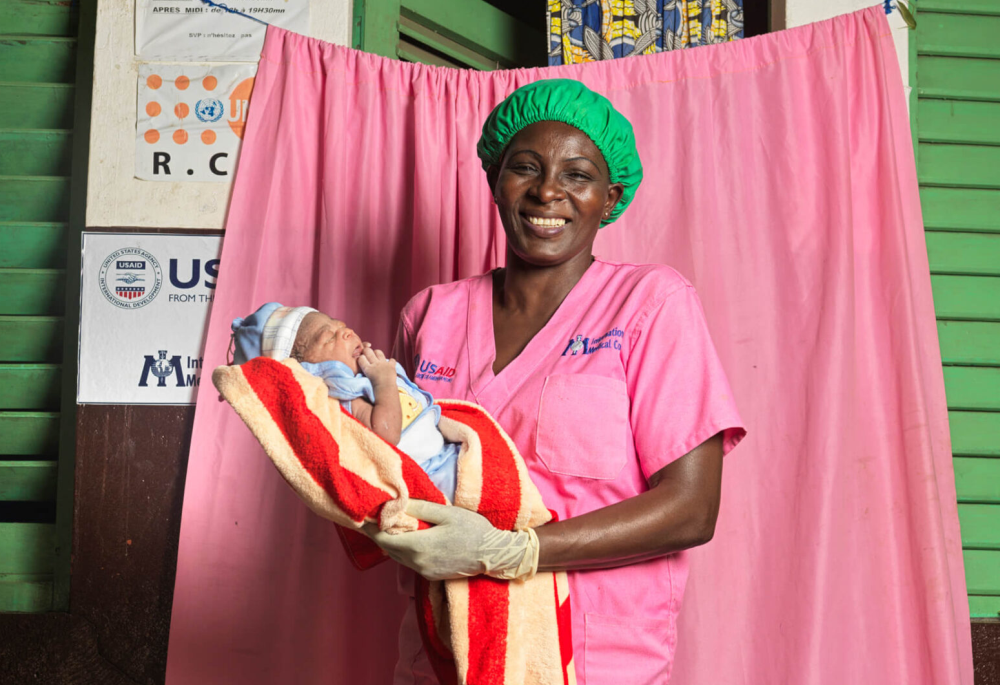
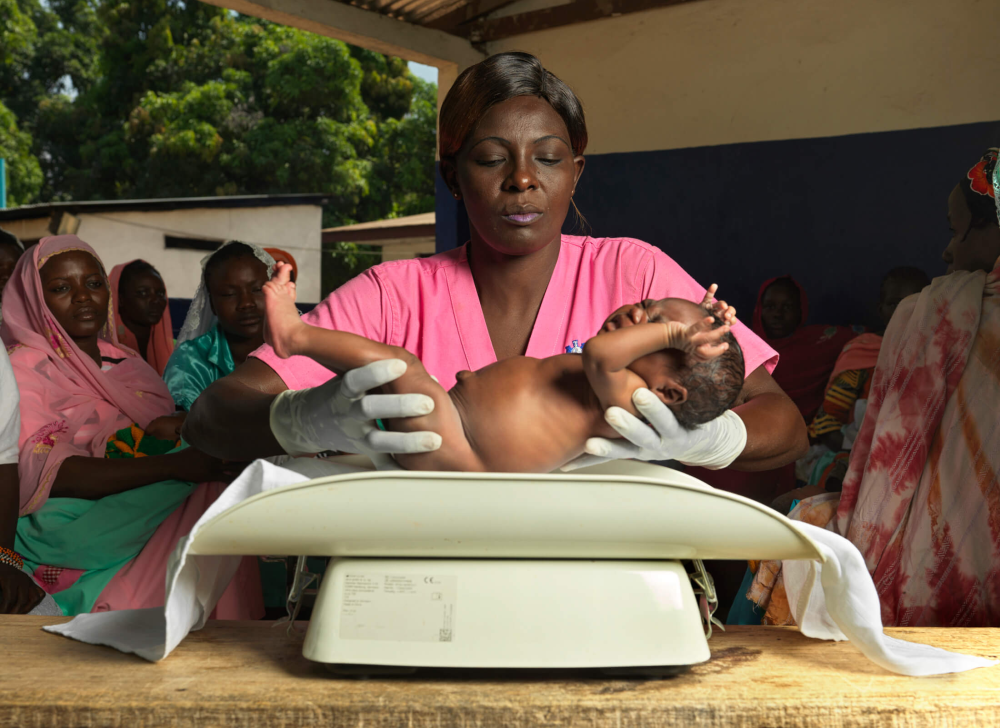
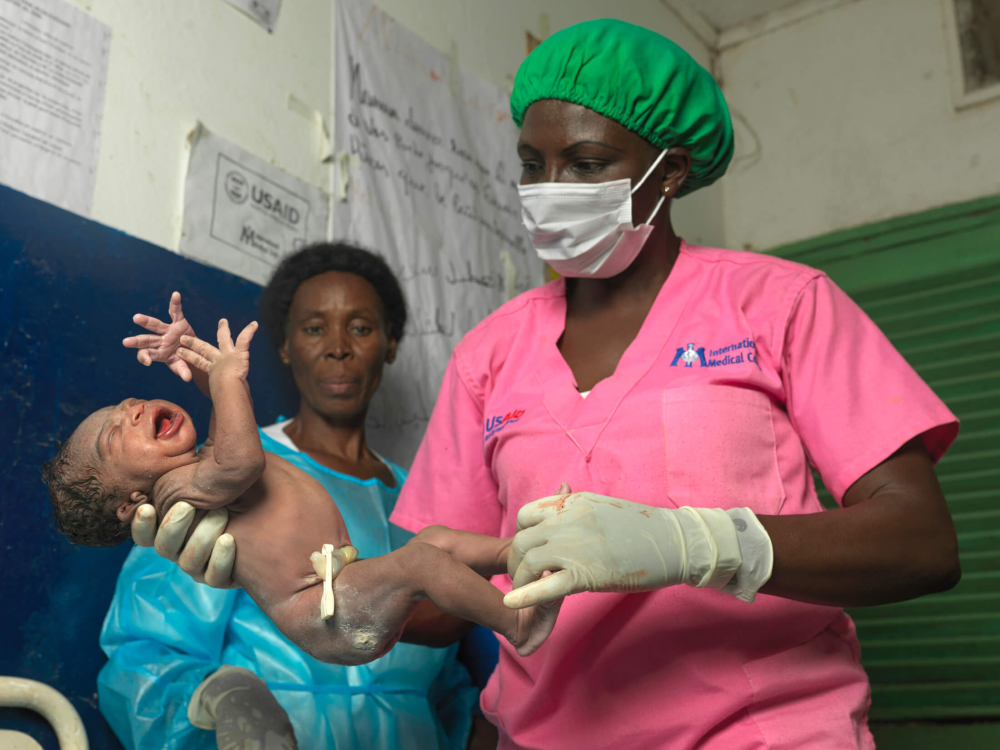
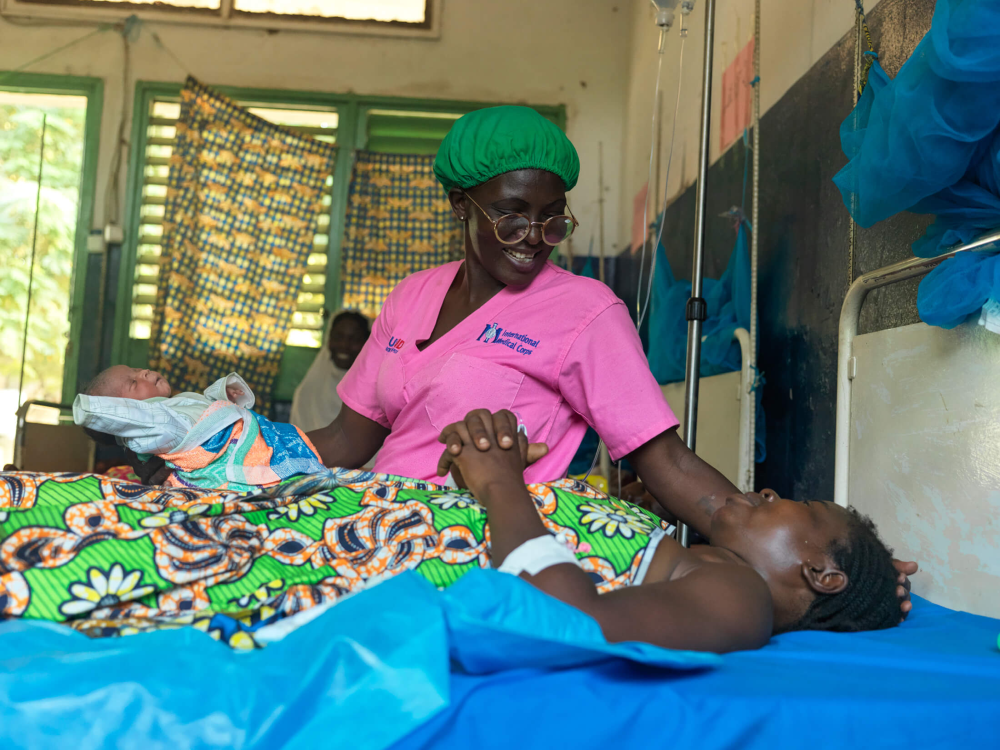
CAR faces a severe lack of maternal and newborn health (MNH) services, with maternal and newborn healthcare inaccessible in many rural communities. Indeed, CAR has some of the worst infant and maternal mortality rates in the world.
To address these challenges, International Medical Corps provides vital services at hospitals in Birao and Bria—the capital cities of Vakaga and Haute-Kotto prefectures, respectively. Among other services, our team provides antenatal and postnatal care, clean and safe deliveries, emergency obstetric care and other integrated MNH services, as well as immunization services for pregnant and lactating women, and children under 5.
Providing Aid Through Mobile Medical Units
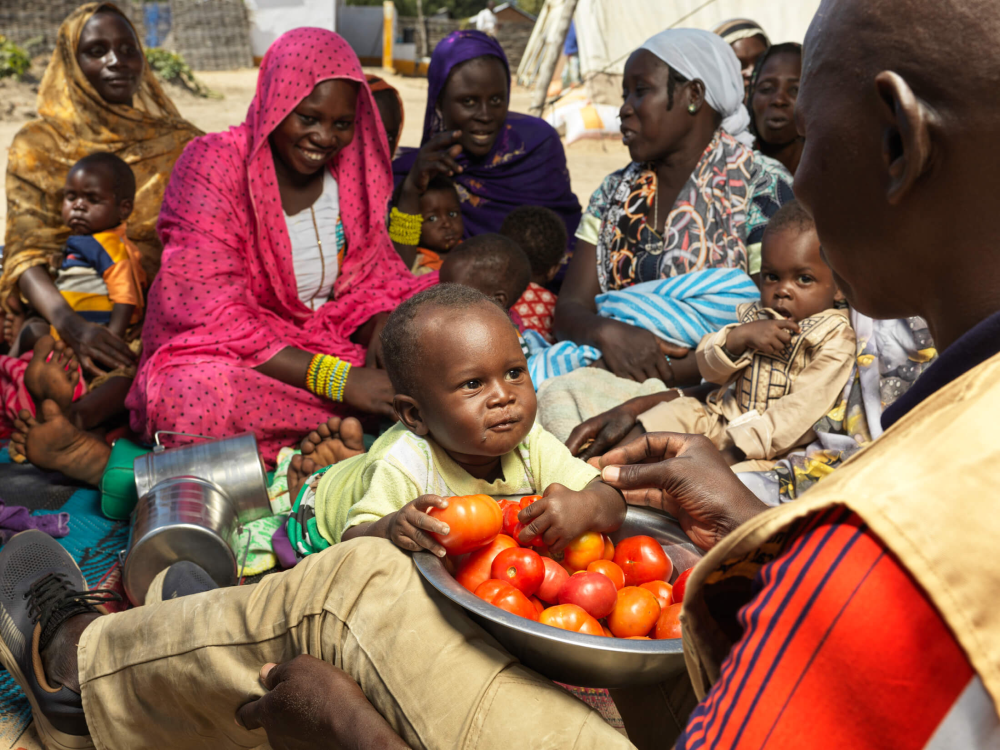
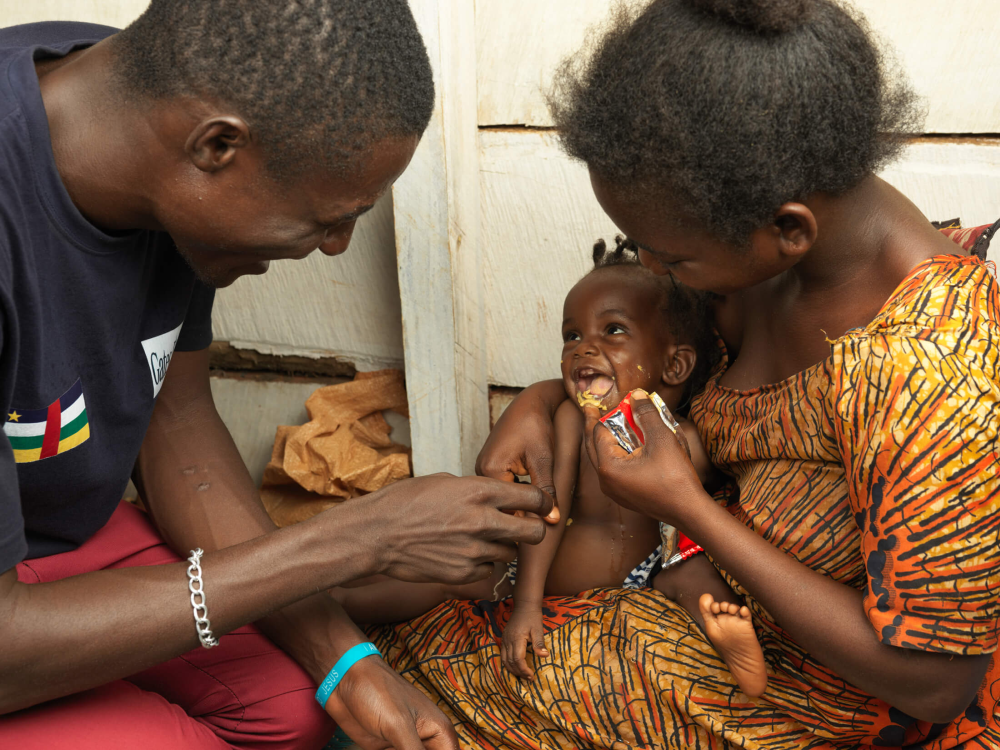
Due to ongoing conflict in CAR, many people have fled their homes and reside in makeshift settlements throughout the country. IDPs, refugees and host populations are extremely vulnerable to malnutrition and disease—with water, sanitation, food and healthcare limited, if available at all.
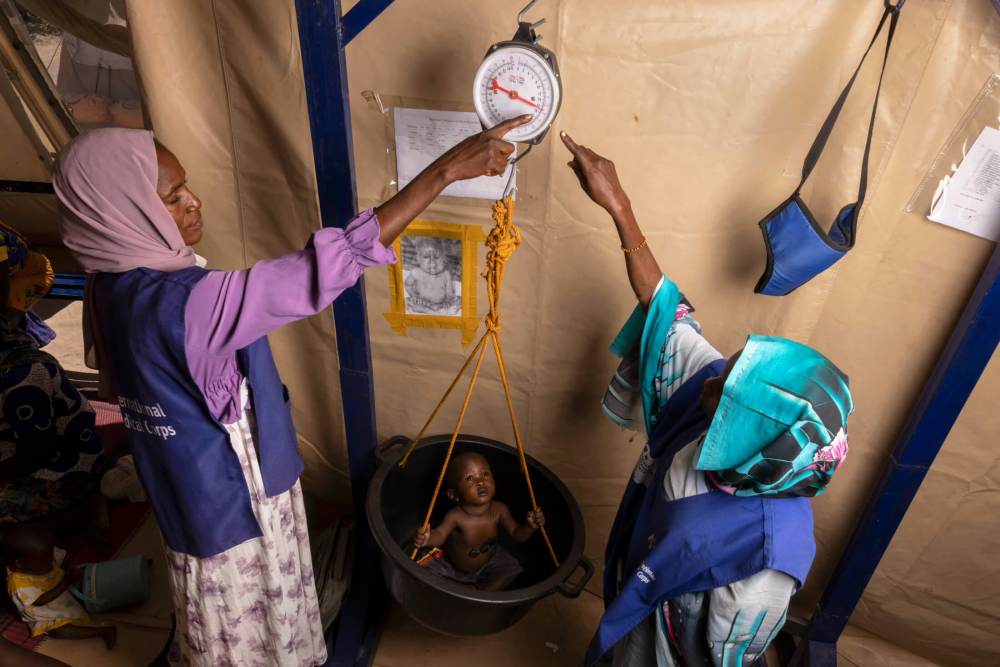
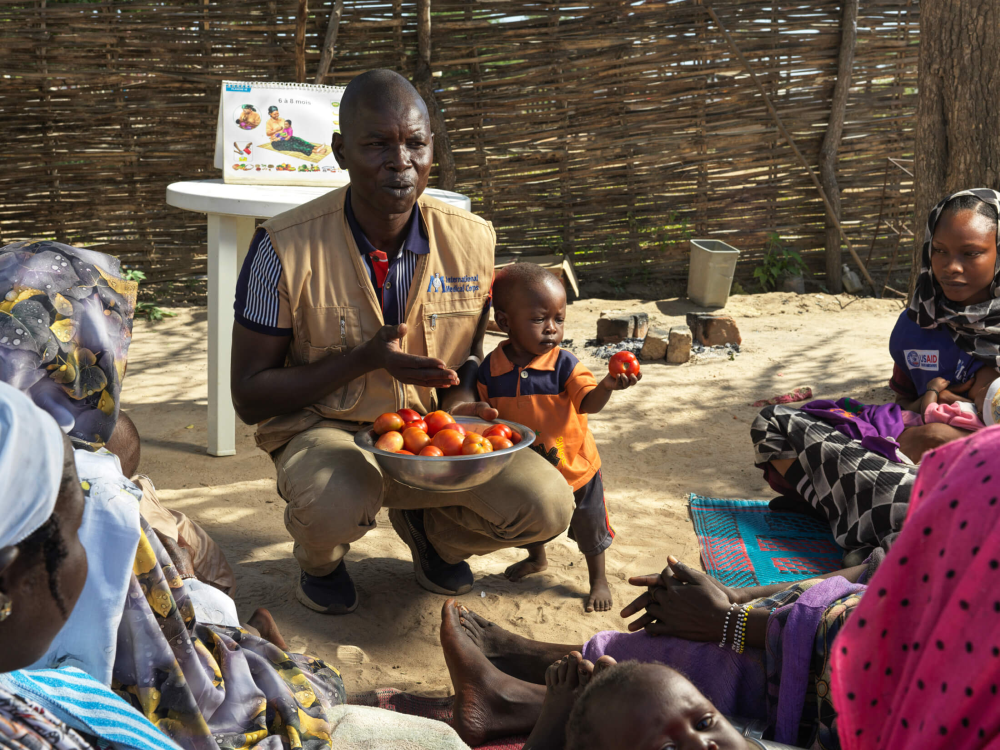
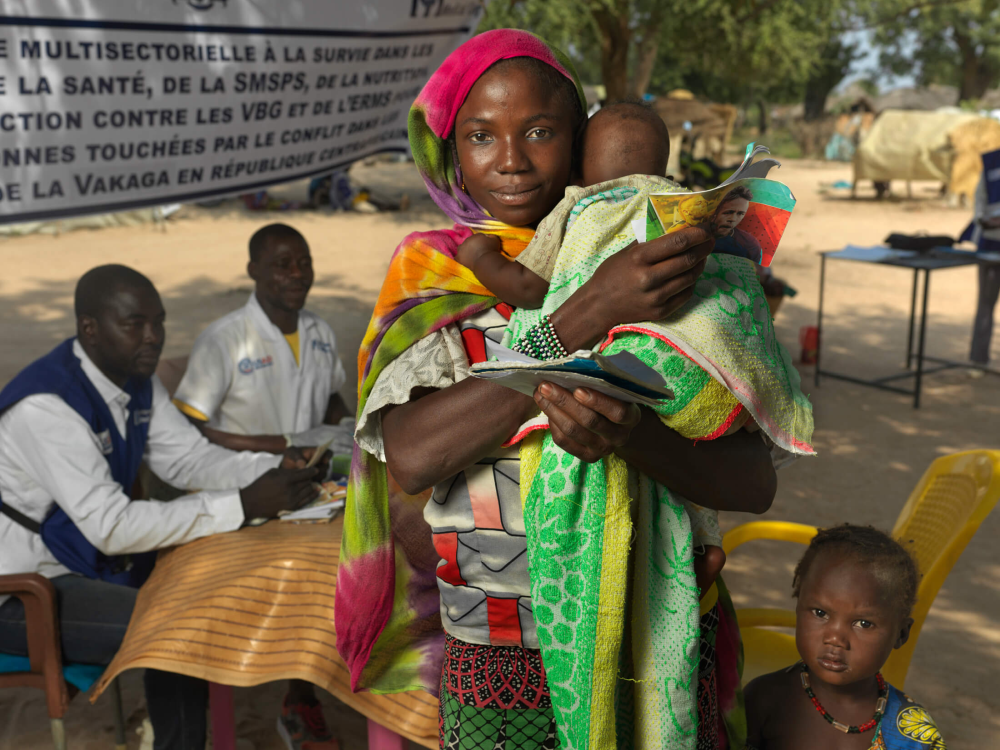
International Medical Corps provides primary health consultations through mobile clinics, as shown in the following images of our work in Toumou IDP Camp and Korsi Refugee Camp. We also travel to surrounding villages to conduct immunization campaigns and provide nutritional care.
Helping Women and Girls Survive—and Thrive
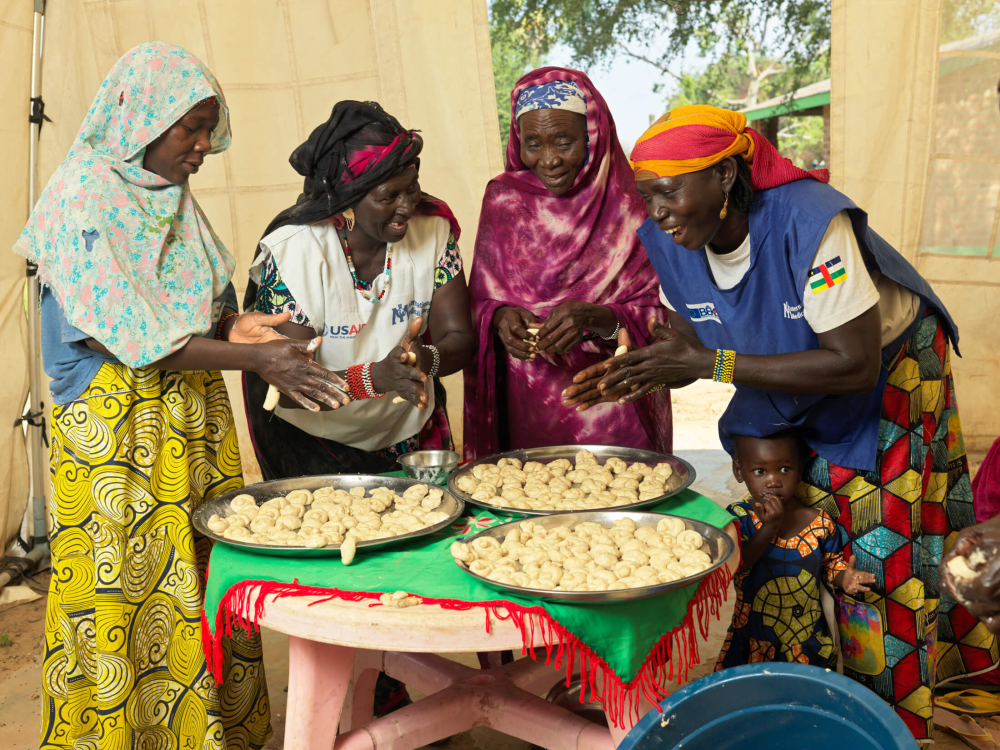
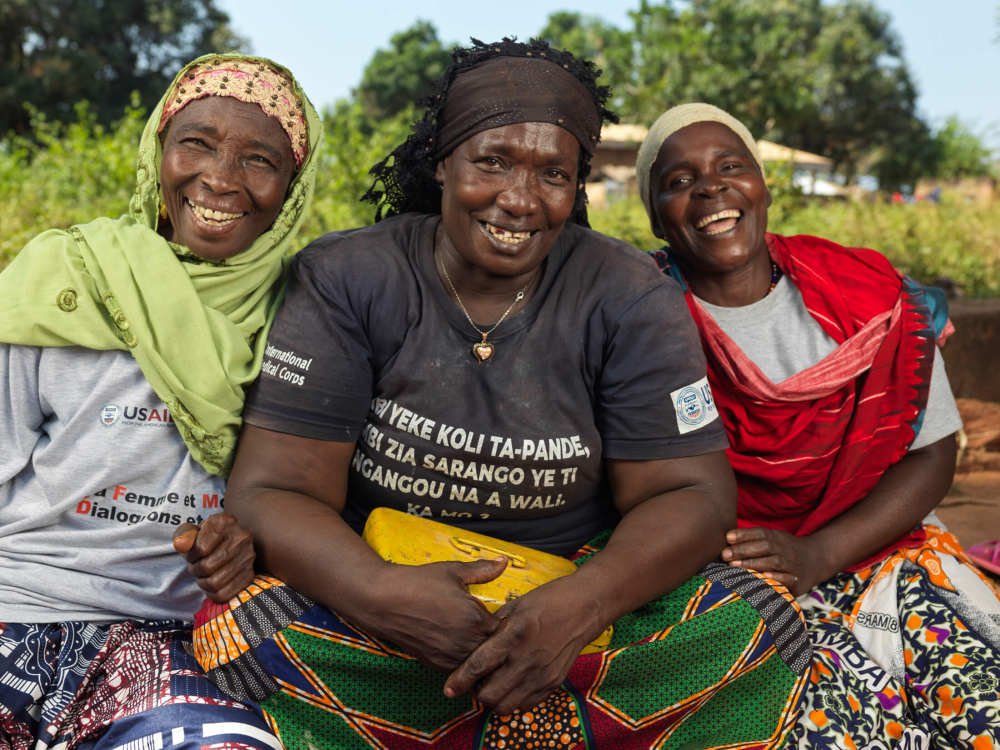
More than half of CAR’s displaced population is composed of women and girls living in conditions with minimal services to prevent and respond to violence against them. Discriminatory social norms reinforce women’s and girls’ weak decisionmaking power, financial dependence and unequal access to resources.
Our team in CAR takes a community-based approach to implementing prevention and response programs to improve community resources. For instance, our CAR team operates women’s and girls’ safe spaces (WGSS) where we provide adolescent girls with life-skills courses and encourage them to voice concerns and safely seek support. To address women’s financial dependence and strengthen their role as decisionmakers, International Medical Corps has established village savings-and-loan associations (VSLAs) that help women to fulfill their basic needs as well as those of their families.
Assistant Midwife Training in Bria
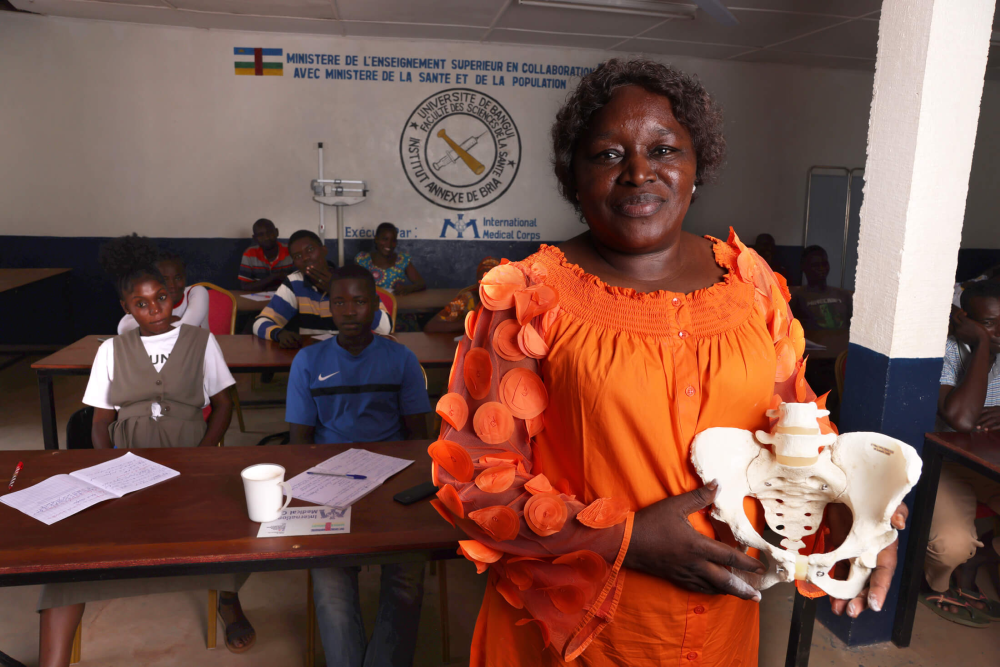
Because training has always been the foundation of our mission, International Medical Corps worked closely with the Central African Republic Ministry of Health (MoH) and Bangui University to establish the Bria Auxiliary Midwife Training School in March 2024. The school, which serves a population of more than 150,000 in a region with an extremely low number of skilled birth attendants, blends classroom instruction with hands-on clinical experience at Bria Hospital and the nearby PK3 IDP camp.
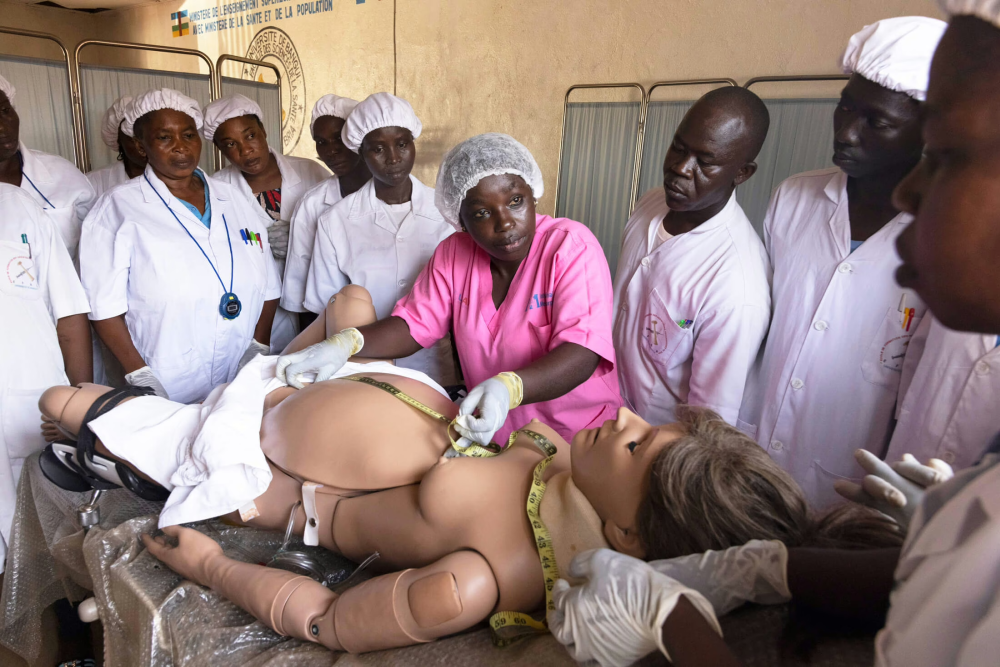
This initiative has helped to address the deep-rooted gaps in CAR’s health system—namely, the shortage of qualified healthcare workers and poor MNH outcomes—while transforming lives by offering professional opportunities to those who otherwise would not have had access to higher education.
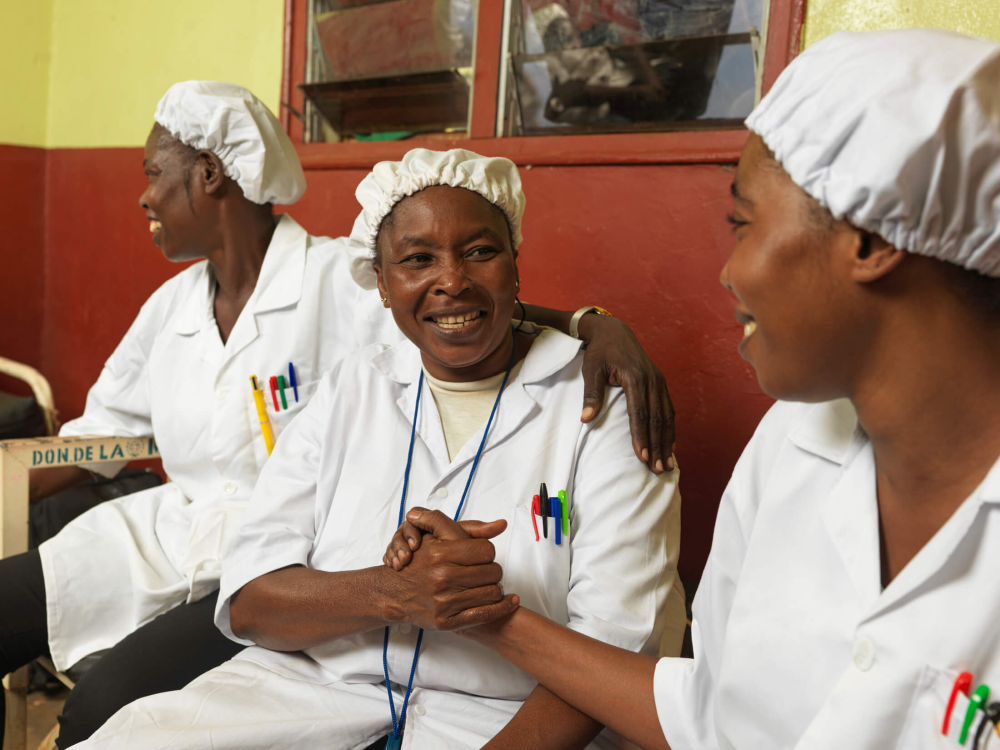
Every day, health workers in CAR demonstrate extraordinary strength as they respond to widespread challenges. International Medical Corps is committed to supporting their efforts to save lives and build a healthier future for generations to come. Our work—which ranges from providing services directly to building capacity by providing education and training—is designed to help the people of CAR transition from relief to self-reliance. Together with our community of supporters, we will continue to provide lifesaving assistance to the people of CAR.
Related Articles
Inspiration in Action: Dr. Binta, Female Doctor and Expatriate
Dr. Binta, originally from Guinea, is among the rare women holding fieldwork leadership roles. An expatriate since 2021, she is an assistant medical coordinator in ALIMA’s medical team in Bangui, Central African Republic.
Fighting Against Maternal Mortality in the Central African Republic
International Medical Corps builds lasting relationships with extraordinary people like Ramadan Mezane, who is fighting maternal mortality in the Central African Republic with the organization’s support.
Gavi Helps to Immunize All Children in the Central African Republic
Gavi will provide additional funds to help reach all children in the Central African Republic.