
The Samifo Centre, led by director Giancarlo Santone, stands as Europe’s only publicly funded clinic specifically treating trauma and PTSD in refugees, offering comprehensive healthcare and psychological support to those fleeing violence worldwide.
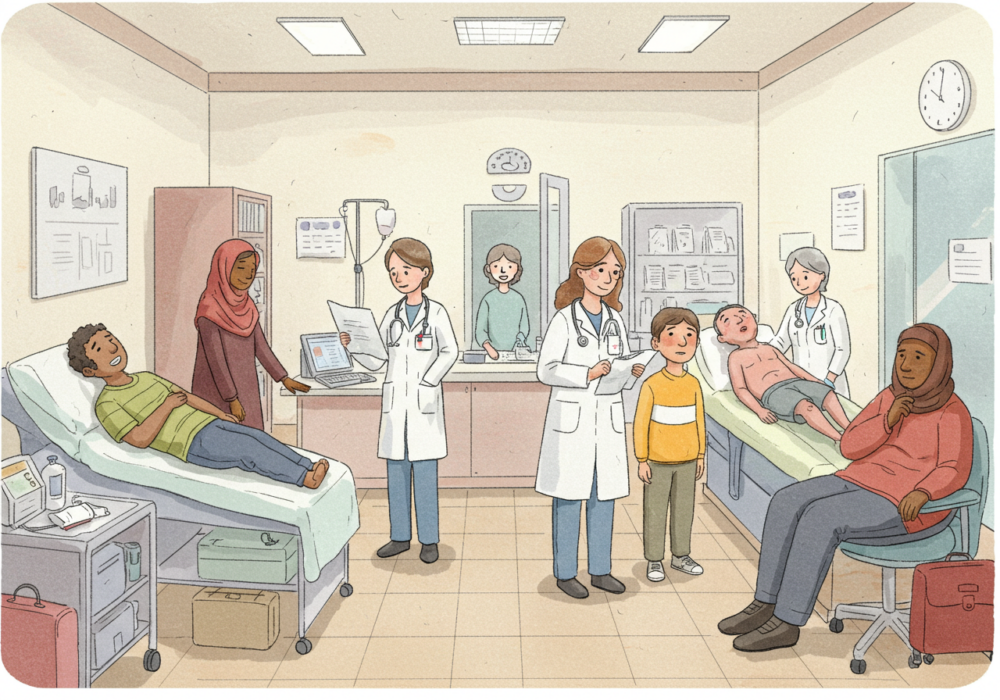
In the shadow of Rome’s Termini station there is a healthcare facility that defies Italy’s increasingly hardline stance on migration. The Samifo Centre, established in 2006, addresses a critical gap in refugee healthcare by focusing specifically on treating trauma and post-traumatic stress disorder among asylum seekers.
Last year, the center treated over 2,000 individuals from various conflict zones—refugees escaping the Taliban, survivors of Mediterranean shipwrecks, and Ukrainians fleeing the Russian invasion. What makes Samifo unique is its comprehensive approach, offering general healthcare alongside specialized services including a female-run gynecology clinic for pregnant women and survivors of sexual violence, trauma-focused psychological care, and forensic documentation of torture for asylum claims.
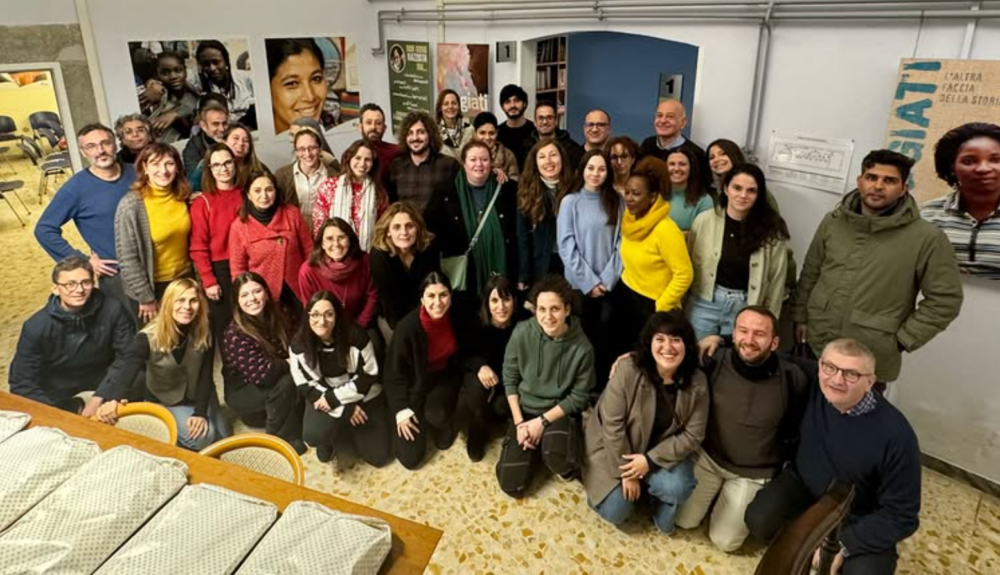
The center operates through collaboration between local public health authorities and the Astalli Centre, the Italian branch of the Jesuit Refugee Service. Its team includes 27 interpreters who also serve as cultural mediators, helping refugees navigate complex social and legal systems while accessing training opportunities.
For many refugees like Duclair, a 39-year-old former law student from Cameroon, the center provides crucial support for processing traumatic experiences that often surface only after reaching safety. “When you’re on the move, you don’t have time for reflection, you’re thinking only about survival,” Duclair said in an interview with The Guardian. “But when things calm down, these emotions start to consume you.”
Despite Europe’s increasingly restrictive migration policies forcing asylum seekers to take more dangerous routes, Samifo has maintained its focus on healing trauma for nearly two decades. As social worker Martino Volpatti noted in an interview with The Guardian, “By the time they arrive here, they’ve usually got quite a few issues,” highlighting the compounded health challenges facing those who’ve spent months or years with minimal healthcare access during their journeys.
“We are witnesses to the horror of the world,” the centre’s director Giancarlo Santone said in the same interview, encapsulating the facility’s essential role in addressing the often-overlooked mental health consequences of forced migration.
Read the full article by Ashifa Kassam in The Guardian from January 27, 2025: ‘We’re witnesses to the horror of the world’: the one-of-a-kind Italian clinic treating refugees for trauma
Watch this video from 2018 about the Jesuit Refugee Service’s work in Italy:
Related Articles
Bringing Water and Healthcare to Displaced People in Abu Jubayhah, South Kordofan, Sudan
Since June 2026, MSF has drilled a borehole and installed a solar-powered water pump for 57,880 displaced people in Abu Jubayhah, South Kordofan, delivering over a million litres of water while expanding clinic care for malaria, malnutrition, and maternal health.

August 2026 Snapshots from the IMC
The work of the International Medical Corps includes mobile clinics reaching flood-hit communities in the Philippines, a busy primary health center serving displaced families in Sudan, first-responder training in Pakistan, and rehabilitated water systems in flood-affected Zimbabwe.

“Our Biggest Challenge Was Raising Awareness”: Measles Response at the Zabout Camp
At the Zabout camp, in Sila Province, Chad, ALIMA and Alerte Santé led a large-scale response to a measles outbreak within the Sudanese refugee community, from early February to mid-March. Dr. Ayambi Evariste, a physician and clinical activities supervisor, looks back on the different stages of the response.