For decades, treating human African trypanosomiasis, known as sleeping sickness, meant injections with brutal side effects, lengthy hospital stays, and regimens that were nearly impossible to deliver in the remote African communities where the disease persists. That era is now be ending.
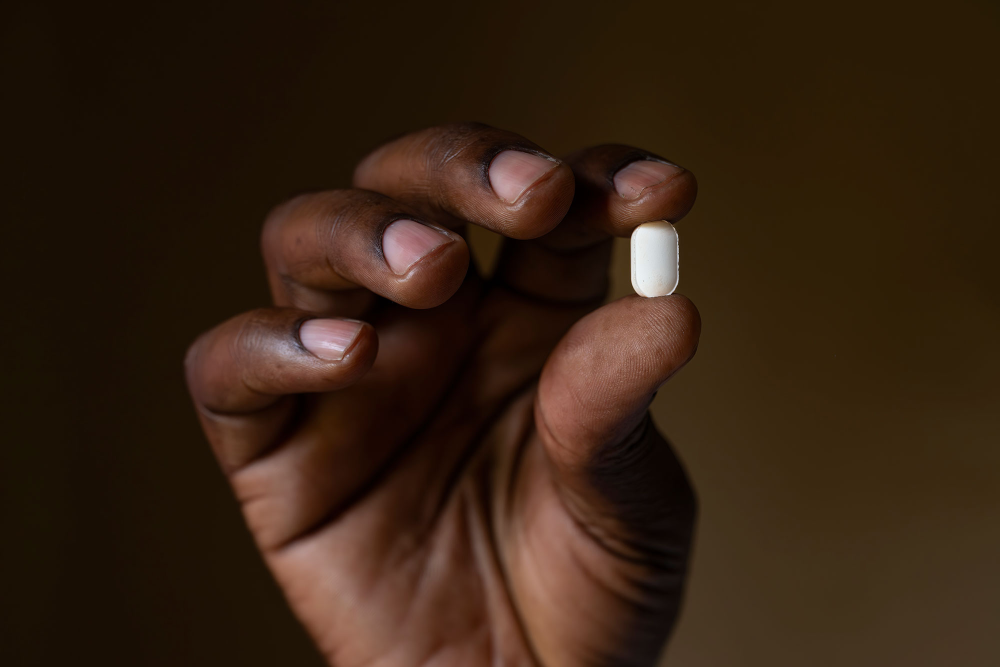
On February 27, the European Medicines Agency’s Committee for Medicinal Products for Human Use issued a positive opinion for Acoziborole Winthrop, a three-tablet, single-dose oral treatment for gambiense sleeping sickness. This is the most common form of a disease that is almost always fatal without treatment. Developed over more than two decades through a collaboration between the Drugs for Neglected Diseases initiative (DNDi) and Sanofi, the drug demonstrated success rates of up to 96 percent at 18 months for both early and advanced stages of disease, with a good safety profile.
The approval pathway used (the EU-M4all procedure) is reserved for high-priority medicines addressing diseases with serious unmet need. It incorporates WHO disease experts and regulators from endemic countries. The positive opinion is expected to support regulatory approval in the Democratic Republic of Congo (DRC) and to trigger a revision of WHO treatment guidelines, ultimately expanding access across Central and West Africa.

What makes acoziborole particularly significant is its simplicity. Existing treatments require either a 10-day course of oral medication or, for advanced cases, a combination of injections and oral therapy — regimens demanding infrastructure that often doesn’t exist where patients live. A single dose that requires no hospitalization or supervised home care could change everything about how the disease is managed in remote areas.
“In just 20 years, we have gone from complicated treatments including arsenic derivatives with serious side effects, to today, when a single-dose, one-day therapy could safely cure patients,” said Dr. Luis Pizarro, Executive Director of DNDi. The progress is seen in the numbers: in 1998, nearly 40,000 cases were reported, with an estimated 300,000 more undiagnosed. By 2024, fewer than 600 cases were recorded — a 98 percent reduction since 2001.

The clinical work behind the approval was carried out in the DRC and Guinea in partnership with national sleeping sickness control programmes, with African researchers and doctors conducting trials in some of the most difficult-to-reach regions on the continent. “This is a victory for Africa-led science,” said Dr. Erick Miaka, Director of the DRC’s national sleeping sickness control programme.
Sanofi will donate the medicine to the WHO through its philanthropic arm, Foundation S, making it available free of charge to patients. With humans as the only reservoir of the disease, a one-day cure puts elimination by the WHO’s 2030 target within reach. A parallel study in the DRC and Guinea is already investigating the drug for children aged one to fourteen.
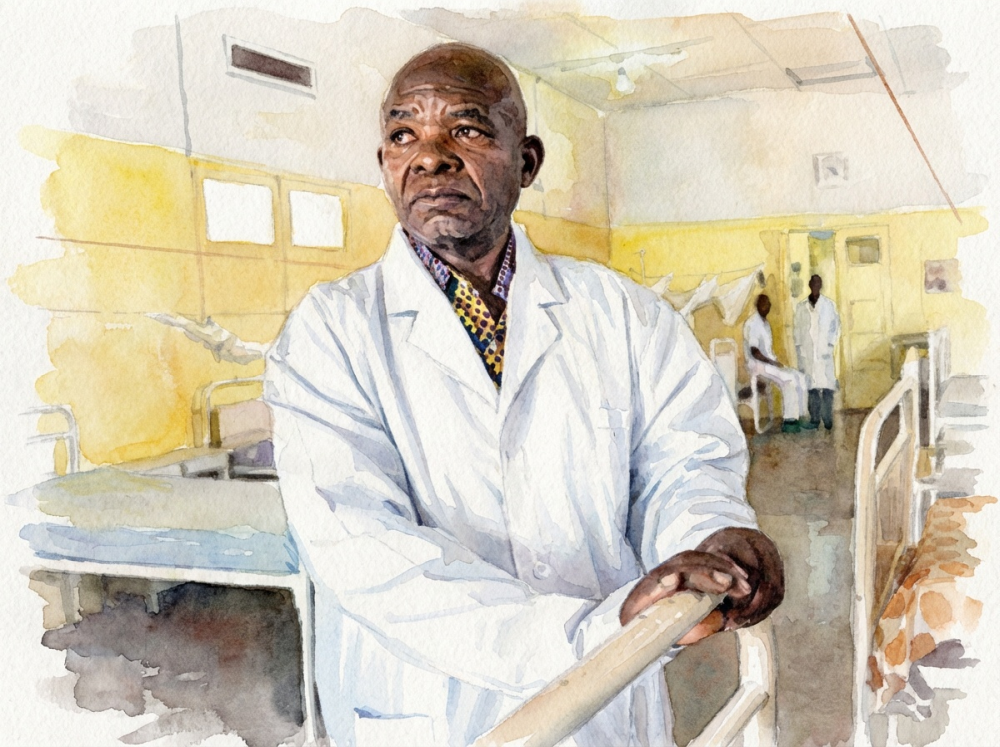
France’s Global Health Ambassador, Anne-Claire Amprou, noted that putting French scientific expertise to work against vector-borne diseases — including through a One Health approach — is a central pillar of France’s global health strategy through 2027. Acoziborole represents exactly the kind of innovation that strategy aims to deliver, she said.

Africa CDC Director General Dr. Jean Kaseya welcomed the breakthrough, while pointing toward the next challenge: ensuring that innovation translates into sustainable access, including exploring local production of treatments like acoziborole, to strengthen supply resilience across the continent.
Acoziborole Winthrop represents one of the more complete success stories in neglected tropical disease research: a collaboration spanning two decades, multiple continents, and dozens of public and private partners that has reduced a once-widespread killer to the verge of elimination. The path from a chemical library hit to a single oral dose — free to patients, deliverable anywhere — is a model for what global health innovation can look like when scientific ambition is matched by sustained commitment. The 2030 elimination target, once aspirational, now looks like a the finish line.
This summary is based on the following press release:
Related Articles

Bölët Mouna: Inside Guinea’s Quest to Eliminate Sleeping Sickness (Step 4)
Guinea has achieved a historic milestone by eliminating sleeping sickness as a public health problem, becoming the first country to conquer this deadly neglected tropical disease with the support of DNDi. In Step 4, read about going the last mile.
Bölët Mouna: Inside Guinea’s Quest to Eliminate Sleeping Sickness (Step 3)
Guinea has achieved a historic milestone by eliminating sleeping sickness as a public health problem, becoming the first country to conquer this deadly neglected tropical disease with the support of DNDi. In Step 3, read how going door to door helped the process.
Bölët Mouna: Inside Guinea’s Quest to Eliminate Sleeping Sickness (Step 2)
Guinea has achieved a historic milestone by eliminating sleeping sickness as a public health problem, becoming the first country to conquer this deadly neglected tropical disease with the support of DNDi. In Step 2, read how community trust was built.