
In Lviv, two extraordinary organizations, Superhumans and Unbroken, have turned the tragedy of 100,000 amputations into a global model for what rehabilitation medicine can be.
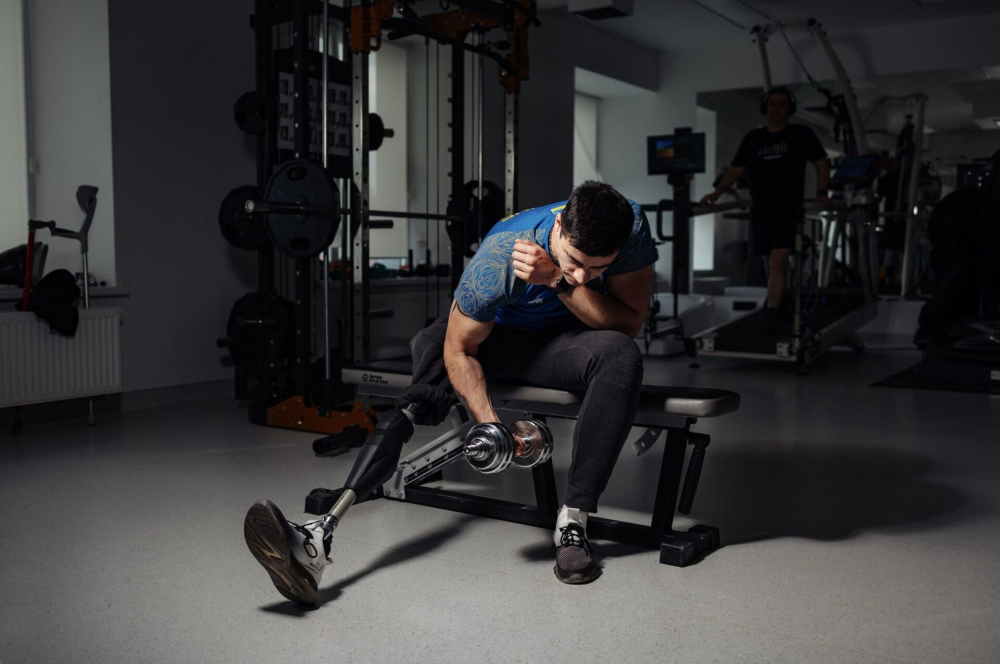
As Russia’s war against Ukraine grinds into its fourth year, one city has emerged as an unlikely center of medical innovation. Lviv, in western Ukraine — far from the front lines yet deeply marked by the war — has transformed itself into what may be the world’s leading hub for amputation surgery, prosthetics, and rehabilitation.
With estimates suggesting that as many as 100,000 Ukrainians have lost limbs since the full-scale invasion began in February 2022, the need has been staggering, and the response equally so.
Two organizations in particular have risen to meet it: Superhumans and Unbroken. Though different in structure and origin, both have built comprehensive systems of care that go far beyond fitting artificial limbs, encompassing reconstructive surgery, psychological rehabilitation, vocational reintegration, and a fierce determination to return patients to full, independent lives. Their stories are inseparable from the war itself, and from the particular resilience of a nation that has had no choice but to become expert in putting itself back together.
Superhumans Center
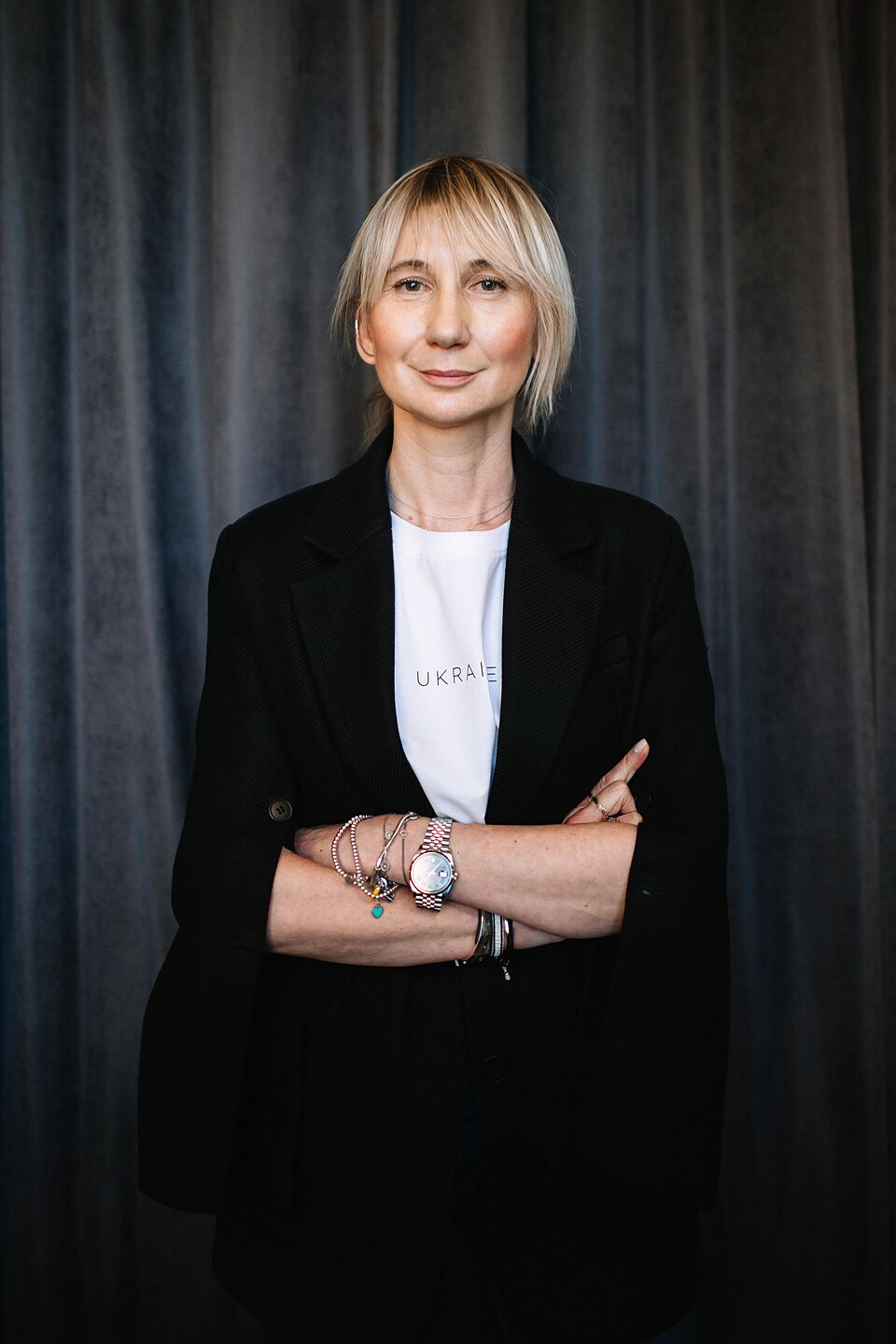
Superhumans was founded in 2022 by Olga Rudnieva and colleagues, with support from Ukraine’s First Lady, Olena Zelenska. The concept emerged just weeks after the full-scale Russian invasion began, born from the recognition that massive numbers of Ukrainians would require prosthetics and surgical reconstruction. What makes the organization remarkable is the speed of its creation: from concept in April 2022 to opening its doors in April 2023, just one year later, in a government-owned facility in Lviv secured for 15 years at minimal cost.
The center specializes in what Rudneva describes as “multi-trauma” — patients who have lost limbs while simultaneously suffering facial reconstruction needs, hearing loss, and other complex wounds. One of the unique challenges Superhumans faces is that Ukrainian battlefield injuries tend to be far more severe than comparable conflicts like Afghanistan or Iraq, primarily because soldiers can’t be evacuated quickly — Russia deliberately targets medics, forcing wounded fighters to endure 5-7 hours before reaching stabilization points. Extended tourniquet use means higher amputations and greater tissue loss. The center has discharged more than 1,500 patients and treats 220 simultaneously (despite having only 86 beds) by rotating patients with government hospital facilities.
Superhumans operates entirely on international donations and fundraising, with no government funding. It uses prosthetics from major manufacturers including Germany’s Ottobock and Iceland’s Össur, with costs ranging from $20,000 to $120,000 for complex upper limb devices. Beyond physical rehabilitation, the center provides psychological support including EMDR therapy and cognitive behavioral treatment for what Rudneva calls “moral trauma” — the psychological wound of soldiers who were civilians just months before and struggle to reconcile their wartime actions with their pre-war values. The center is currently expanding, with new facilities planned for Dnipro, Odesa (partly underground), and other cities.
Unbroken National Rehabilitation Center
Unbroken is the larger of the two organizations and is structurally different — it operates as part of the First Lviv Medical Union, the largest medical institution in Ukraine, and is supported by the Lviv City Council and the Ministry of Health, though it also receives significant international funding. U.S.-based Direct Relief has committed $15 million specifically to support Unbroken’s rehabilitation efforts.
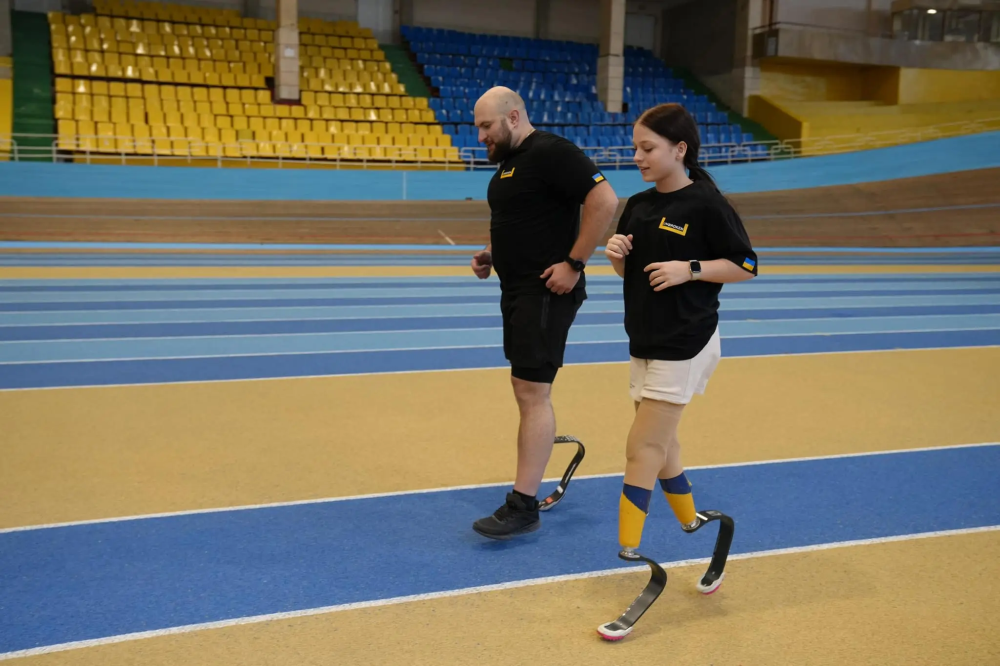
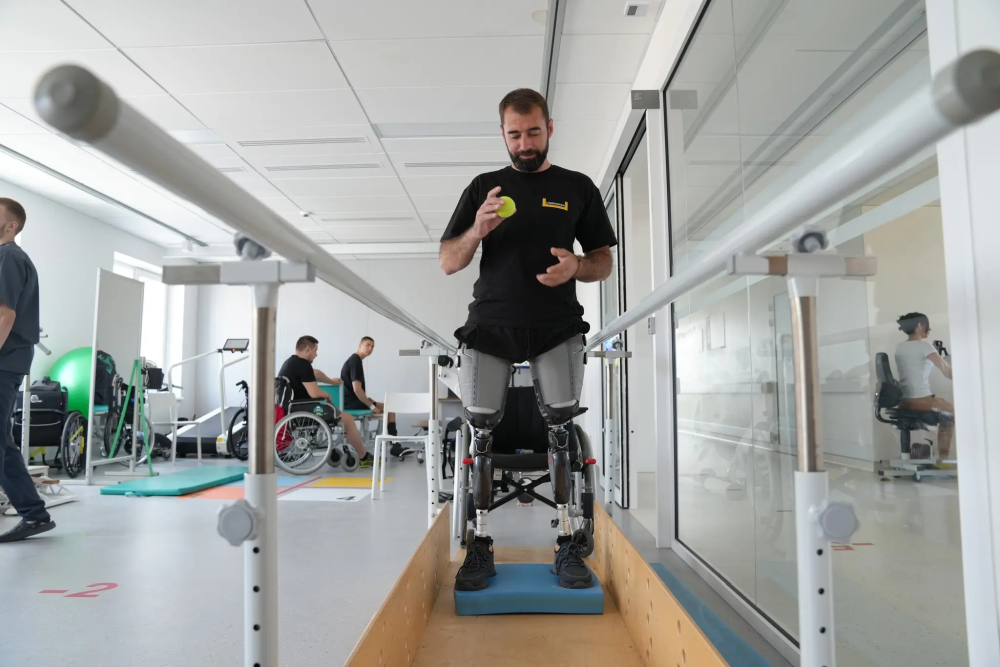
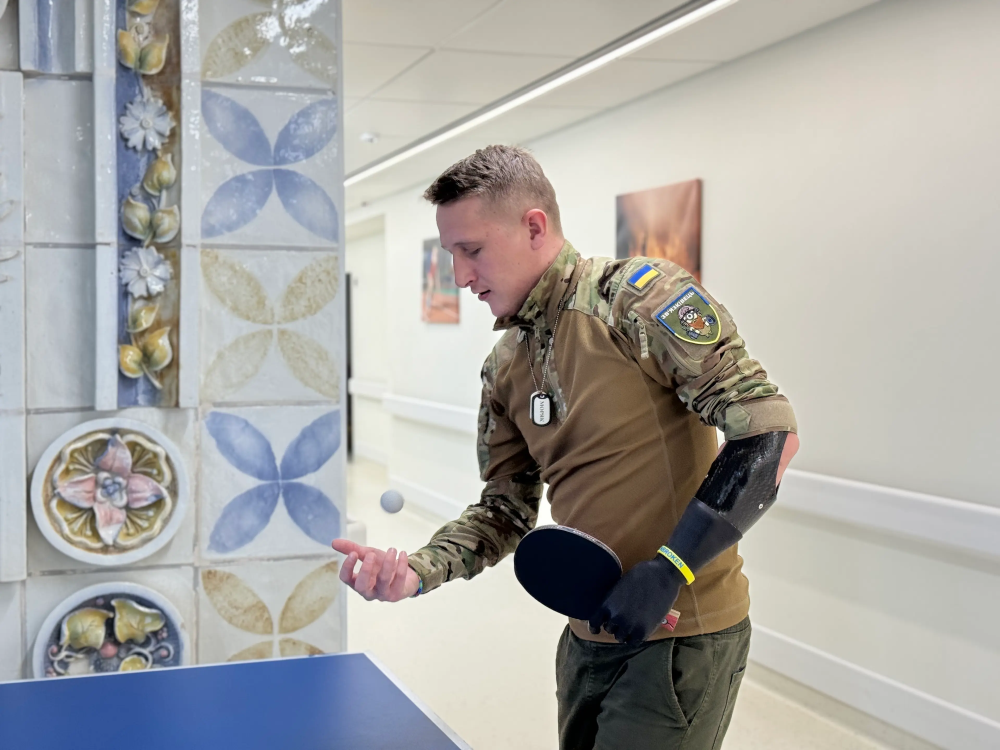
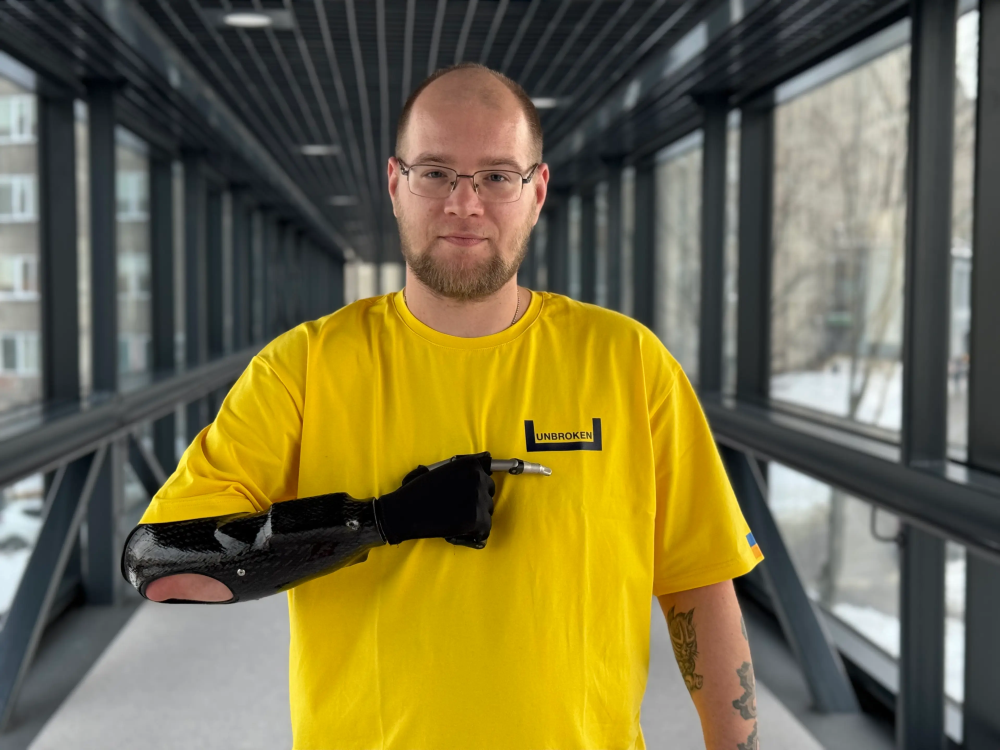
The organization describes itself as “a unique ecosystem of humanity” uniting more than twenty projects, providing treatment, prosthetics, physical and psychological rehabilitation, housing, and reintegration. More than 16,000 wounded Ukrainians have been treated there since the start of the full-scale invasion, including 350 children. The center manufactures its own prosthetics on site — a prosthetics and orthotics workshop where, according to its head Vladislav Sikhivskiy, 12 specialists have produced over a thousand prostheses since February 2022. Simple prostheses take about a week; complex cases involving double, triple, or quadruple amputations can require up to six months. One patient had lost all four limbs and now drives a car and skis independently.
Unbroken also runs a pediatric program, Unbroken Kids, based at St. Nicholas Children’s Hospital in Lviv, treating children with mine-blast injuries, shrapnel wounds, and amputations. The rehabilitation program is comprehensive, encompassing amputation recovery, occupational therapy, speech therapy, and psychosocial support — occupational therapists even work with patients on relearning how to hold a toothbrush. All medical care is provided free of charge.
The Bigger Picture
Together, these two organizations represent an extraordinary medical response to a catastrophe of staggering scale. Estimates suggest roughly 100,000 Ukrainians have lost limbs since the war began, a number that continues to climb daily. Both centers are doing work that goes well beyond prosthetics fitting: they are rebuilding lives, retraining patients for employment, providing psychological care, and in many cases taking former patients on as staff and advocates. As a NYT editorial suggests, Lviv has essentially become the world capital of amputation medicine — a grim distinction, but one that reflects both the human cost of the war and the remarkable resilience of the Ukrainian response to it.
This summary was prompted by an editorial in The New York Times: Ukraine Has Passed a Point of No Return (gift article), by M. Gessen
Watch these videos to learn more about Superhumans and Unbroken:
Related Articles
‘Medicine in Its Purest Form’: Saving Limbs in Ukraine’s Hospitals
Penn-led medical missions have performed complex surgeries, extended training to local doctors in attempt to preserve limbs and quality of life. From Direct Relief.
Ukrainian Organizations Focused on Prosthetics Hit Their Stride as Demand Grows
With up to 100,000 war-related amputations in Ukraine since 2022, the need is staggering. Direct Relief is partnering with three Ukrainian organizations to build local prosthetics clinics, train specialists, and help thousands of soldiers and civilians reclaim their lives.
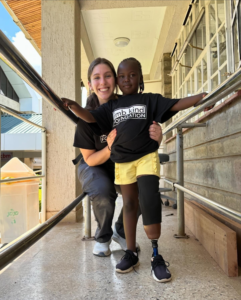
Prosthetics Student Helped Bring Hope to Kenyan Children with Limb Loss
Emma Burkhardt, a passionate student of prosthetics and orthotics, traveled to Kenya with the Limb Kind Foundation to provide life-changing prosthetic care to children, witnessing their resilience and gratitude firsthand.