
Dr. Ghada Hatem-Gantzer spent years listening to women describe abuse, mutilation, and trauma—then built a facility that brought all the help they needed under one roof. Now her template is spreading across France.
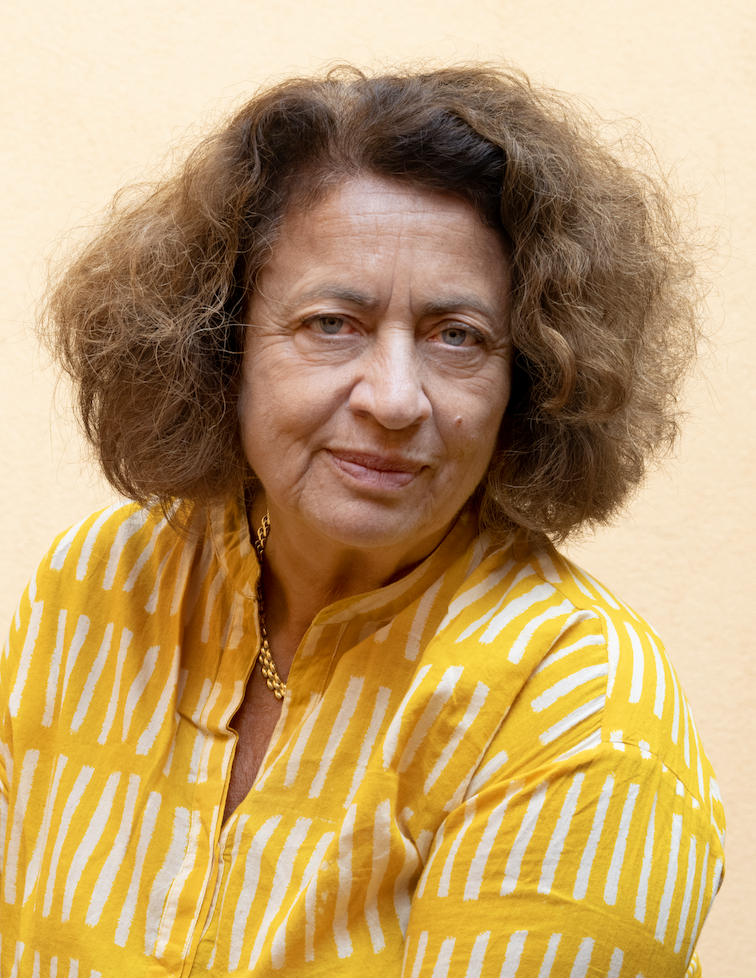
When Ghada Hatem-Gantzer became head of the maternity ward at a hospital in St. Denis, one of Paris’s poorest suburbs, she encountered patients whose needs extended far beyond obstetric care. Many were recent immigrants who had survived domestic violence, sexual abuse, or female genital mutilation. The standard medical response—referring them to scattered services across the city—meant their complex traumas often went unaddressed.
Born in Beirut in 1959, Hatem-Gantzer had left Lebanon during its civil war to study medicine in France. By 2012, after decades of practice, she began developing what would become the Maison des Femmes (House of Women): a facility where victims of violence could access psychologists, social workers, legal counsel, gynecologists, and even a police officer to file complaints—all in one building.
The project nearly collapsed. Unable to secure significant public funding, Hatem-Gantzer spent years pursuing private donors. By 2015, she was ready to return the money she had raised. Her sponsors refused to let her quit, helping her find additional funding. The facility finally opened in July 2016.
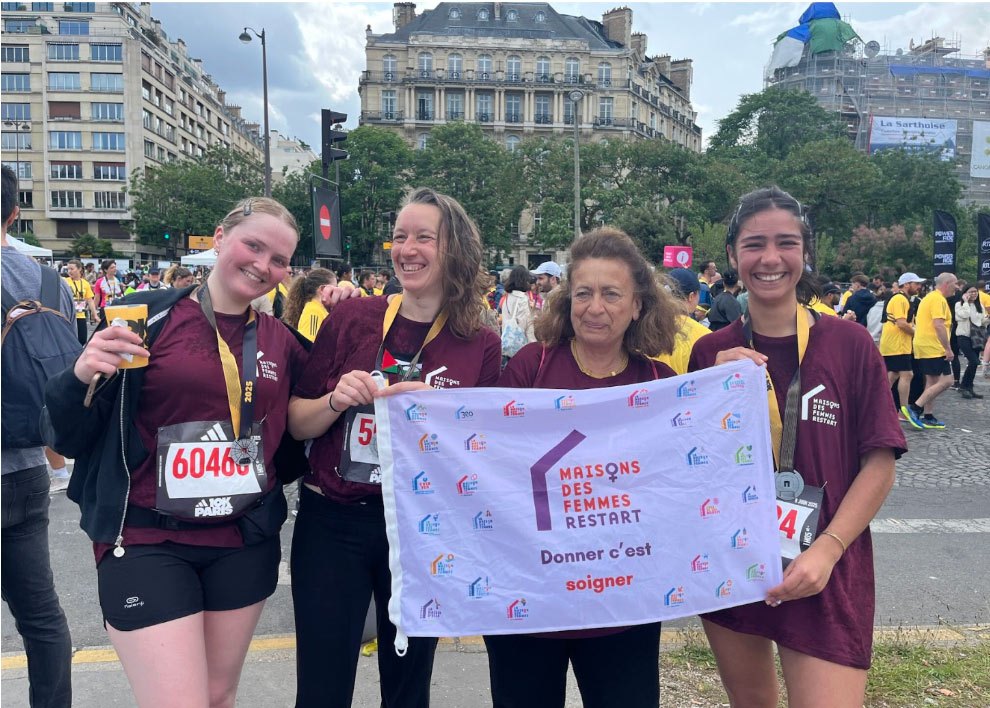
Since then, approximately 30,000 women have been treated there. The model has been replicated in more than 30 centers across France and Belgium, with four more scheduled to open soon. Two recent French prime ministers have called for every regional authority in France to have one. A film about the original facility will be released in March 2026.
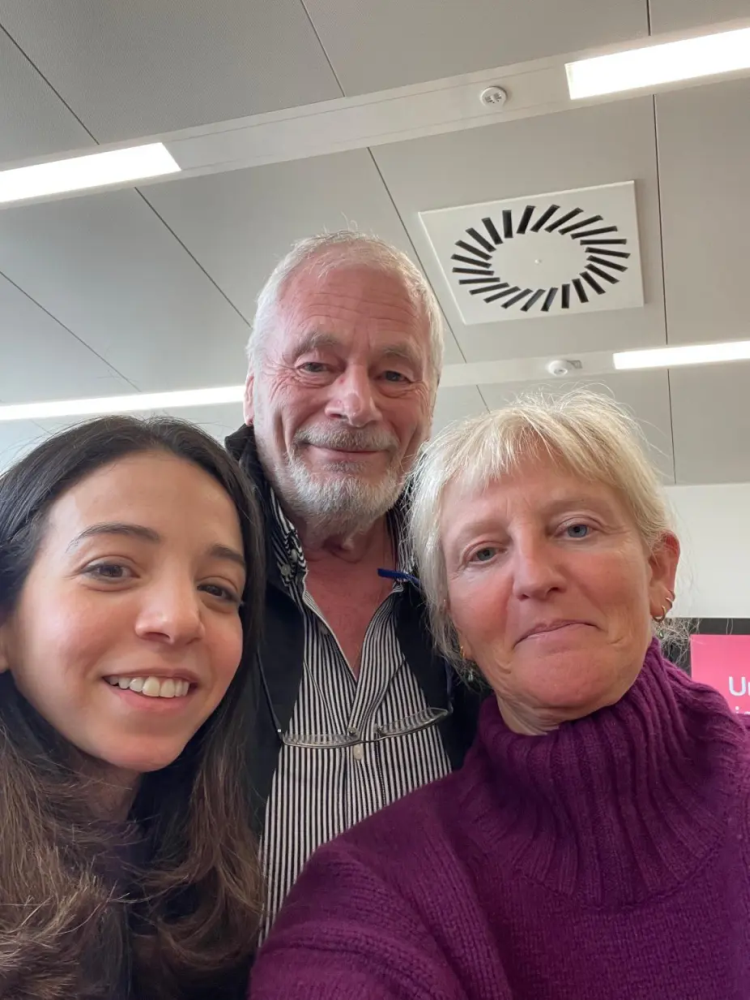
The House of Women now offers services that extend beyond crisis intervention: French language classes, yoga, gardening, jewelry workshops, and museum visits. During a French class last month, staff surprised a patient with a birthday cake—the first time, she said, anyone had ever celebrated her birthday.
Hatem-Gantzer, now 66, has stepped back from daily operations to focus on awareness programs, fundraising, and a new center for young victims of sexual violence. She also continues performing reconstructive surgery for women who have undergone female genital mutilation, using a technique she learned from its inventor, Pierre Foldès. But she remains troubled by one persistent gap: the absence of men at events addressing sexual violence. “That’s my greatest despair,” she told The New York Times after speaking at a recent university lecture.
This summary is based on the following sources:
- She Listened to Women’s Pain. Then She Transformed How It Was Treated. By Ségolène Le Stradic for The New York Times (free link)
- Ghada Hatem-Gantzer, from Wikipedia
- Who We Are, from Maison des femmes Restart
Related Articles

Saving Lives in the Central African Republic: An Inside Look
The Central African Republic can be a difficult and dangerous place to operate, but International Medical Corps is delivering hope and lifesaving care to communities in crisis.

Former New Zealand Prime Minister Helps Rescue Maternal Health Program for Conflict Zones
When funding cuts threatened a lifesaving initiative to reduce maternal deaths from postpartum hemorrhage in conflict zones, Jacinda Ardern’s Matariki Fund stepped in to ensure the work could continue in South Sudan and Burkina Faso.
A tale of two surgeons: Ikram and Saladin
Syrian-British oncologist Saladin Sawan and Idlib surgeon Ikram Habboush partner to treat women’s cancers in northwest Syria. Through the David Nott Foundation, they’re saving lives and training the next generation while their country rebuilds from war.