When funding cuts threatened a lifesaving initiative to reduce maternal deaths from postpartum hemorrhage in conflict zones, Jacinda Ardern’s Matariki Fund stepped in to ensure the work could continue in South Sudan and Burkina Faso.
In some of the world’s most dangerous places to give birth, a coalition of humanitarian organizations is launching a program to prevent one of the leading causes of maternal death: postpartum hemorrhage, the excessive bleeding that can occur after childbirth. The Safer Births in Crises initiative, led by the International Rescue Committee (IRC) in partnership with International Medical Corps, Jhpiego, and the United Nations Population Fund, will bring proven interventions to women in South Sudan and Burkina Faso.

Postpartum hemorrhage affects 14 million women annually and kills 70,000, primarily in low-income countries. Nearly 80 percent of these deaths occur in low- and middle-income countries, with sub-Saharan Africa and South Asia bearing the greatest burden.
The program was originally planned for seven countries with a $10 million budget. When funding was reduced, former New Zealand Prime Minister Jacinda Ardern stepped in through the Matariki Fund for Women to rescue part of the initiative. The project will now operate in two countries with $4 million in funding.
For aid workers who had watched the program’s future become uncertain, Ardern’s involvement was transformative. “It was a moment of believing that there was going to be light at the end of the tunnel,” said Elaine Scudder, a maternal and newborn health advisor for the IRC, speaking to The Independent.
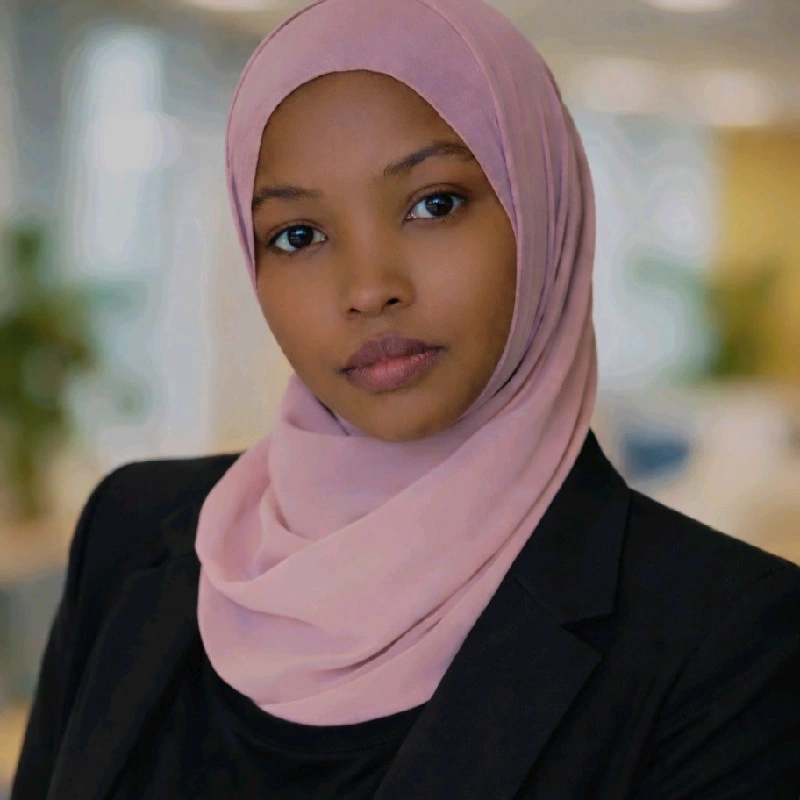
The need is acute. In South Sudan, one of the world’s newest nations, years of conflict and climate change have weakened the health system. Kadra Noor Abdullahi, the IRC’s maternal and child health coordinator for the country, told The Independent that only half the population has access to a health facility, and 80 percent of women give birth without a midwife or doctor present.
In hard-to-reach regions of Burkina Faso, nearly 30,000 pregnant women have lost access to prenatal care, according to the IRC.
The initiative will test an approach that includes using a plastic blood-collection drape to measure blood loss and identify dangerous hemorrhaging more quickly. Women will then receive a bundle of drugs and treatments simultaneously. A 2023 study found this combined approach reduced severe bleeding, surgeries, and deaths by 60 percent. The coalition will also test providing women with misoprostol to take home in case they cannot reach a hospital to give birth.
A Simple Tool, Proven Results
The blood-collection drape at the center of this initiative represents years of work to address postpartum hemorrhage globally. The Gates Foundation has highlighted the E-MOTIVE protocol, a set of best practices developed through studies in African countries with high maternal mortality rates.
The protocol emphasizes early detection as the critical first step. In busy maternity wards, particularly in low-resource settings, it can be difficult for health workers to know when blood loss crosses a dangerous threshold. The drape funnels blood into a V-shaped plastic bag with measurement markings, providing real-time readings without guesswork.

Dr. Polycarp Oyoo, who works at Kenya’s International Center for Reproductive Health training doctors and nurses in emergency maternal care, has seen the results firsthand. “We’ve seen a staggering 60% reduction in severe bleeding” in clinics using the E-MOTIVE approach, he stated in a Gates Foundation post. His training has reached nearly half the counties in Kenya, and those he has trained have gone on to train others.
“No [mother] deserves to die while giving birth,” Dr. Oyoo said. “[Birth is] a process that gives life and it shouldn’t result in death.”
This summary is based on the following articles:
- Jacinda Ardern steps in to rescue project saving mothers during childbirth in wake of Trump’s aid cuts, by Rachel Schraer for The Independent
- On the First World Postpartum Haemorrhage Day, IRC Announces Partnership with Rt. Hon. Dame Jacinda Ardern to Prevent Maternal Deaths in Crisis Settings, from the IRC
- This simple tool is helping prevent maternal deaths worldwide, from the Gates Foundation
Related Articles
How the Better Lives Foundation Built a Hospital — and the Workforce to Run It — in Sierra Leone
For two decades, the UK-based Better Lives Foundation has run a free hospital in rural Sierra Leone, training local staff, expanding into maternal care and dentistry, and treating thousands of patients each year, at no cost to those who walk through its doors.
A Maternal Hospital Opens in the Rohingya Refugee Camps in Bangladesh
Save the Children has opened the first hospital dedicated to maternal and newborn care inside the world’s largest refugee camp, bringing round-the-clock emergency obstetric services to more than one million Rohingya refugees in Bangladesh.

A Rural Guatemala Hospital Provides Lifesaving Care to 100,000 Maya People. They’re Still Expanding.
Staff at Hospitalito Atitlán prevent maternal deaths, provide specialty surgery, and offer primary care at local clinics, supported by more than $7 million in aid from Direct Relief.