
For Rohingya women living in the sprawling refugee settlements of Cox’s Bazar in southeast Bangladesh, pregnancy has long carried an unusual weight of fear. Births took place on woven mats in narrow shelters or in overcrowded clinics, and when complications arose, the trip to better-equipped care could take hours, sometimes longer than a woman in obstructed labor could afford. A new hospital, opened in January 2026 and run by Save the Children, is changing that calculation.
The Maternal and Child Hospital is the first facility in the camps to specialize in maternal and neonatal care. It offers round-the-clock emergency obstetric services, alongside routine antenatal care, ultrasound, caesarean sections, emergency newborn stabilization, nutrition support, and services for survivors of gender-based violence. The 59-bed hospital is staffed by obstetricians, anesthetists, nurses, midwives, and support workers, and serves both Rohingya refugees and women from surrounding host communities, where access to specialized care has also been limited.
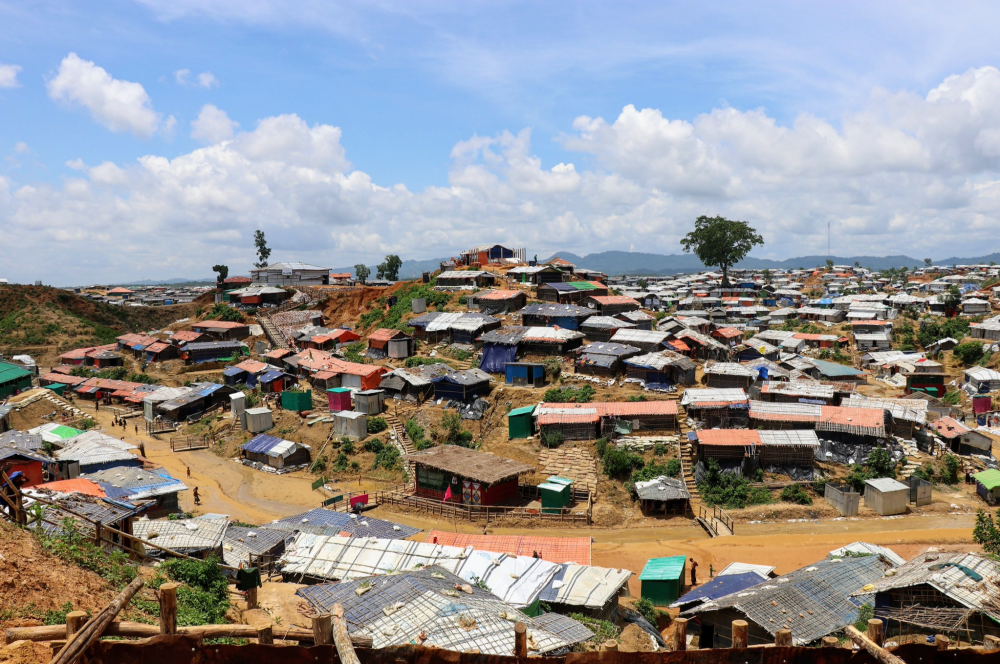
The hospital sits inside Kutupalong, which has been the world’s largest refugee camp since 2018. As of late 2024, the wider Cox’s Bazar settlement housed more than one million Rohingya refugees, the majority women and children, eight years after they fled ethnic and religious persecution in Myanmar. Conditions across the camps have worsened sharply. Cuts to foreign aid in 2025 have closed health centers, shuttered hundreds of schools, and reduced food rations, leaving families to manage growing insecurity alongside the daily risks of pregnancy and childbirth.
Rozina Akhter, a 29-year-old health worker who moves through the wards between examinations, deliveries, and newborn care, told The Guardian that the change is concrete. Before the hospital opened, women needing scans or surgical deliveries had to be referred elsewhere, sometimes carried for miles on bamboo stretchers. “Now we have C-sections and ultrasound here,” she told The Guardian. “The camp has changed.”
Outside the wards, traditional birth attendants continue to visit homes, watching for warning signs and referring patients in when complications appear. Their work reflects a longstanding pattern in the camps, where local knowledge has had to bridge the gap left by missing infrastructure. The hospital connects that frontline care to a level of intervention that was not available before.
Golam Mostofa, area director for Save the Children in Cox’s Bazar, framed the hospital as part of a wider effort to strengthen the health system in coordination with the Government of Bangladesh and local partners. The organization is urging donors and the international community to keep investing in maternal and child health in the camps, noting that timely care often determines whether a mother and baby survive. Save the Children reports having reached more than 600,000 Rohingya refugees, including over 320,000 children, since beginning its response in 2017.
This summary is based on the following sources:
- ‘Mothers won’t die, babies can survive’: new maternal hospital opens in world’s largest refugee camp, by Thaslima Begum for The Guardian
- First Hospital Focused on Mothers, Newborns Opens in Cox’s Bazar Refugee Camp, by Save the Children
- Kutupalong refugee camp, on Wikipedia
Related Articles
Direct Relief Invests in Community Birth Centers to Improve Maternal and Newborn Health
In partnership with Birth Center Equity, five nonprofit organizations receive funding to expand maternity care in underserved communities across the United States. From Direct Relief.
Ukrainian First Responders Learn Life-Saving Birth Skills in Lviv
The Ukrainian Midwives’ Union is training paramedics and other first responders to support women giving birth in emergency settings. From Direct Relief
After the Earthquakes: How Local, Female-led Organisations Are Keeping Women and Girls Safe in Venezuela
AVESA is providing emergency sexual and reproductive health care for the thousands of people still living in temporary shelters.