

For nearly 150 years, diagnosing tuberculosis has relied on a stubbornly imperfect process. A patient coughs up phlegm, a technician examines it under a microscope, and roughly half of true cases slip through undetected. Tuberculosis remains the world’s deadliest infectious disease, claiming more than a million lives each year, and the gap between people who have TB and people who get diagnosed has been one of the most persistent obstacles to controlling it.
That gap may finally be narrowing. A study published in the New England Journal of Medicine reported that a portable device called the MiniDock MTB delivers laboratory-quality results in under thirty minutes, using either a sputum sample or a simple tongue swab. Researchers from UC San Francisco, UC Irvine, and Makerere University College of Health Sciences in Uganda enrolled nearly 1,400 patients across seven countries in Africa and Asia. The test met the World Health Organization’s accuracy targets and proved easy enough to use that health workers learned the procedure from the printed instructions alone.
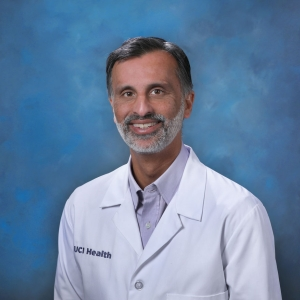
The device is battery-powered and costs about $300, with each test running $3 to $4. It uses molecular technology, similar in spirit to the rapid platforms refined during the COVID-19 pandemic, to detect DNA from Mycobacterium tuberculosis. For patients who cannot produce sputum, including children, elderly people, and those living with HIV, the tongue swab option is transformative. As Dr. Adithya Cattamanchi, co-lead author and pulmonologist at UC Irvine, put it, the swab moves the situation from “no diagnosis possible at this clinic” to accurate molecular testing on the spot.
The implications reach well beyond a single device. In March, the World Health Organization issued its first formal recommendation for near-point-of-care nucleic acid amplification tests, along with guidance on tongue swab specimens and a sputum pooling strategy that can stretch limited resources further.
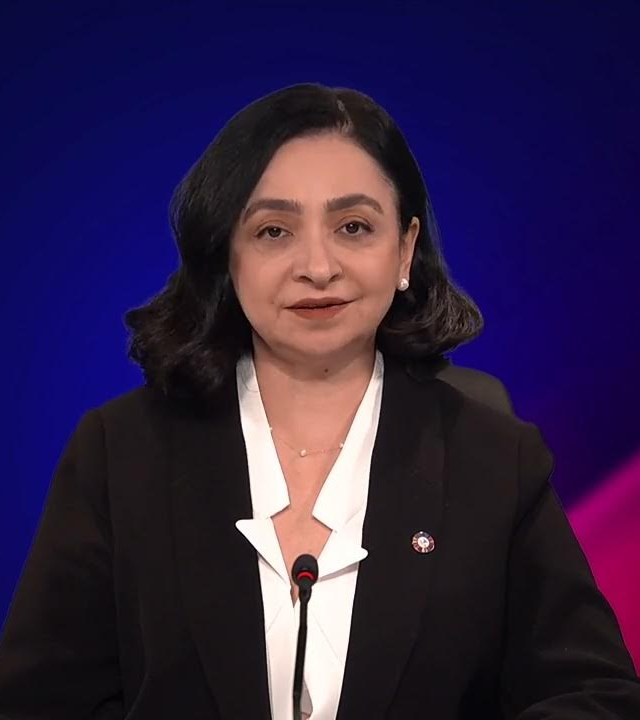
Dr. Tereza Kasaeva, who directs WHO’s department for HIV, TB, hepatitis, and STIs, called the new recommendations a major step toward closing diagnostic gaps that have left millions of patients undiagnosed or treated only after long delays.
Those delays exact a real human cost. Patients without access to TB testing often visit pharmacies, clinics, and health centers four or five times before reaching a facility that can confirm what is making them sick. During those weeks or months of uncertainty, the disease worsens and continues to spread to family members, coworkers, and strangers in waiting rooms.

Two caveats temper the enthusiasm. Lucica Ditiu, executive director of the Stop TB Partnership, noted that the test performs best in patients with established infections and may miss early cases with low bacterial loads. It also cannot distinguish ordinary TB from drug-resistant strains, so a follow-up test is still needed to guide treatment. Even so, catching TB sooner reduces the chances that resistance will develop in the first place.
After a century and a half of squinting through microscopes, a faster, cheaper, and more accurate path is finally within reach. For the people who have waited longest for a diagnosis, that path cannot open quickly enough.
Listen to the story from NPR’s All Things Considered:
This summary is based on the following articles:
- Long a dream, it’s now real: a fast and accurate TB test that doesn’t need phlegm, by Ari Daniel for NPR
- Handheld TB test delivers lab-level accuracy in under 30 minutes, by the University of California, San Francisco for Medical Xpress
- WHO recommends near point-of-care tests, tongue swabs, and sputum pooling for TB diagnosis
Related Articles
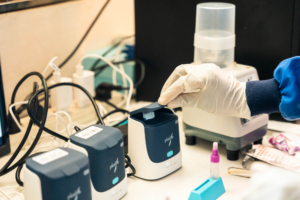
With a Tiny Device, the Fight Against TB Takes a Giant Step Forward
A battery-powered TB test is reaching primary care centers where diagnosis was once impossible amid power outages. The Global Fund, CIFF, and the Aurum Institute are delivering nearly 3 million devices across 13 countries, helping close the gap for millions of undiagnosed patients.

Ukraine: The Hidden Battle to Protect Millions from Tuberculosis and Other Deadly Diseases
Even under relentless missile and drone attacks, Ukraine’s health workers maintain TB surveillance across the country. With sustained Global Fund support, Ukraine has preserved its diagnostic network and put every newly diagnosed patient on lifesaving treatment, even amid war.

Meet the Imam Combining Faith and Public Health to Support Tuberculosis Patients
In Tajikistan, Imam Sharifzoda Azalshoh has partnered with FHI 360 to reduce tuberculosis. His pioneering approach—linking religious leadership with patient support and stigma reduction—demonstrates the vital role communities play in advancing health and hope.