
First published June 12, 2026 by The Global Fund

Even under relentless missile and drone attacks in Kharkiv, Alla Goncharenko and her team carry out vital work that often goes unseen: They detect and treat tuberculosis (TB) and other infectious diseases across a region of 2.5 million people.
As head of a bacteriological laboratory in Ukraine’s second-largest city, Alla’s first instinct was to protect her lab when the full-scale war began in February 2022.

Today, at the sound of air raid sirens, Alla and her team move quickly, locking away their diagnostic tools in safes and other secure places. Only then do they run to the nearest bomb shelter, 200 meters away.
“The most important thing for us is to hide the equipment,” says Alla.
In over four years of war, Alla and her colleagues at the laboratory have never stopped working. Last year alone, her team carried out more than 11,400 TB tests, identifying 447 people with TB and ensuring they were put on treatment.

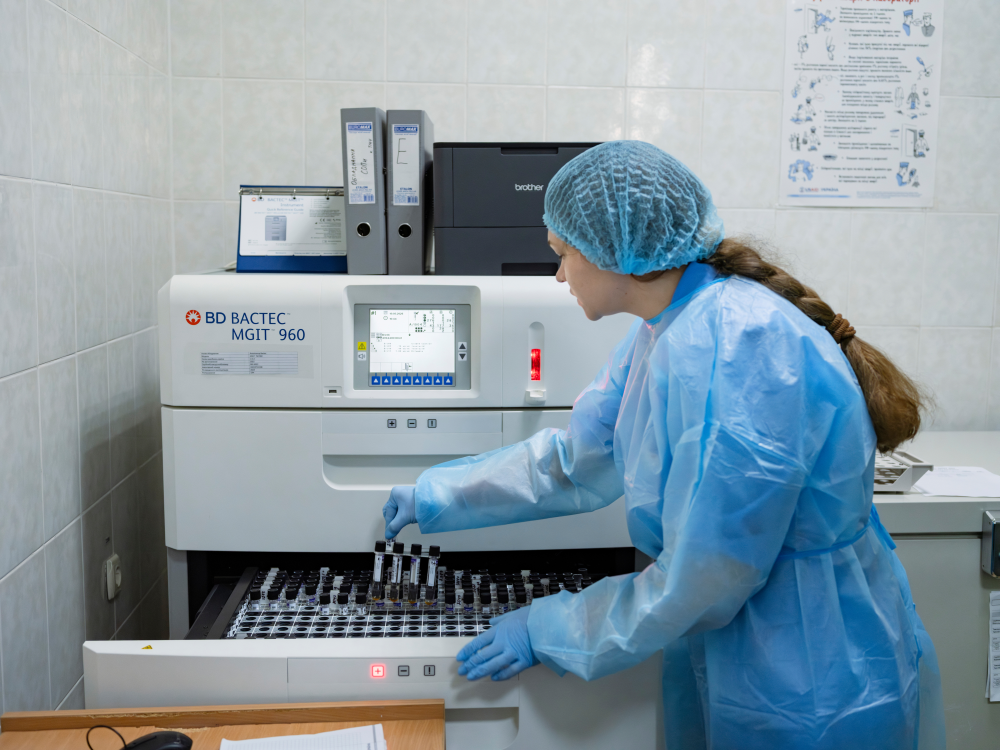

Without treatment, a single person with TB can infect up to 15 more people in a year. Each diagnosis and person put on treatment prevents further transmission, helping to contain outbreaks before they escalate.
Despite the immense strain of war, Ukraine has maintained its TB diagnostic capacity. With sustained support from the Global Fund, the Public Health Center of the Ministry of Health continues to maintain a nationwide network of 224 laboratories equipped with modern diagnostic technologies.

In 2025, 96% of newly detected TB patients in Ukraine were diagnosed using rapid molecular diagnostics, including GeneXpert technology – cutting-edge tools that enable rapid and accurate detection. At the same time, 90% of confirmed cases were tested for drug resistance, meeting World Health Organization targets for patients to receive effective, targeted treatment from the outset.
“There are people here who need to be examined, who need to be prescribed treatment,” says Alla. “There is a war now, and tuberculosis can spread more rapidly. Our work is very important, and we will be here to the end.”

Diagnosing TB isn’t contained to the laboratory.
Iryna Chebanna is a nurse in the outpatient department at the Regional Phthisiopulmonological Center – the health center that works alongside Alla’s laboratory and provides treatment and support to people diagnosed with TB.
She and her colleagues accompany patients from the moment they receive their diagnosis through to recovery. They also identify and test people who have been in contact with TB patients, helping to break the chain of transmission.
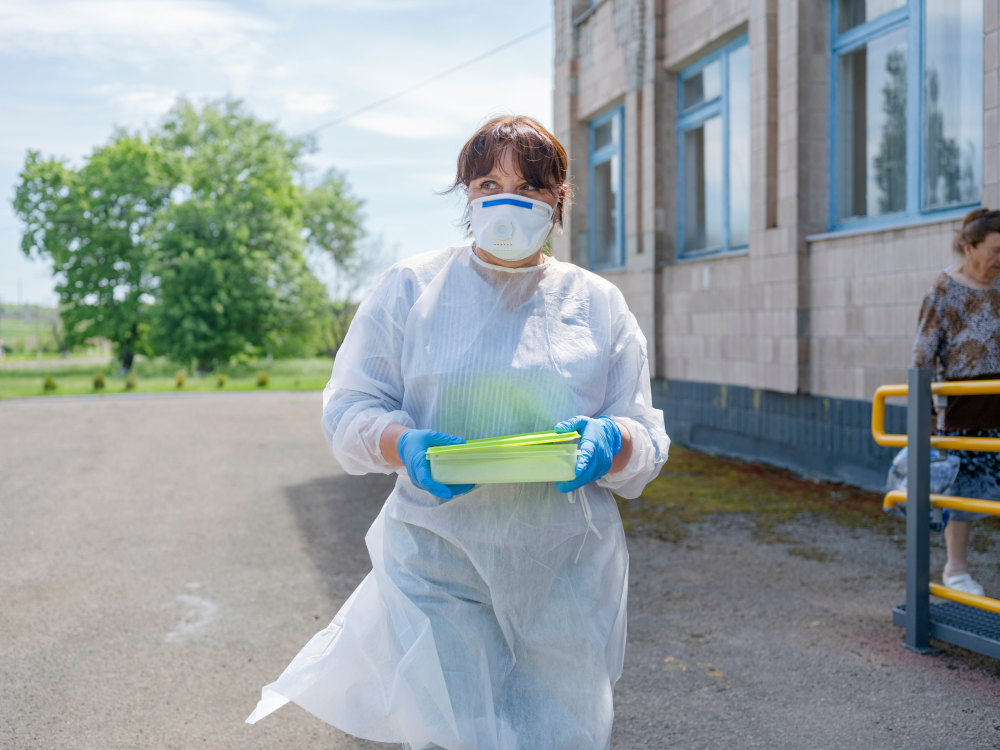


The war has reshaped every aspect of their work. Air-raid alerts are frequent, and shelling can happen at any time.
Iryna says that stress, displacement and uncertainty make it harder for patients to begin and stay on treatment. Time spent sheltering in confined spaces, including bunkers and basements, can increase the risk of TB spreading. For those living in remote areas, simply accessing health services is impossible.
For these communities, Iryna and her colleagues travel directly to them – to collect and transport samples for TB testing.

When the team arrives in a village, residents gather for screening. Iryna and team prioritize people most at risk, screening and collecting samples from anyone with symptoms of TB on the spot.
Samples are then brought back to Alla’s laboratory for analysis, ensuring TB is detected quickly, and that treatment can begin right away.
With support from the Global Fund, in 2025, mobile teams from Ukraine’s Regional Centers for Disease Control were deployed across 16 regions to carry out more than 1,600 field visits and screen over 86,000 people for TB and other diseases.
Equipped with the latest screening tools, including artificial intelligence to interpret X-rays in seconds, these teams are accelerating detection and ensuring people can start treatment faster.
“Despite this war, we help people, and people recover,” says Iryna.


One of those people is Mykola Karmazin.
Two months into TB treatment, Mykola now feels strong enough to take short walks. Not long ago, breathing was a struggle.
“I’m actually scared of very few things in life, but this scared me,” he says of his TB diagnosis. “I wanted to live a little longer.”

After his diagnosis, Mykola was referred to Iryna’s health center, where he was guided through the start of treatment.
For Mykola, access to timely diagnosis and care has been life-changing. He describes meeting “the best doctor of my life” – a testament to the medical staff who remain in Kharkiv.
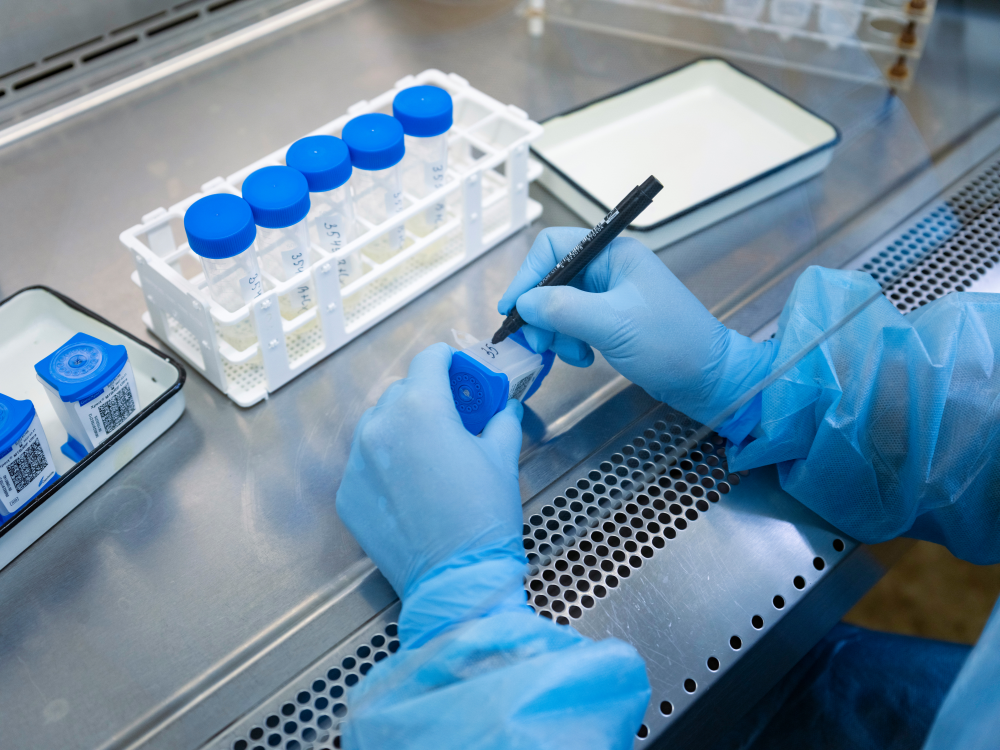
In spite of the war, every single one of the more than 15,500 newly diagnosed TB patients in Ukraine last year began treatment. The country has also rolled out the latest treatments for drug-resistant TB – shorter, fully oral regimens that are safer and easier to complete. In 2025, approximately 78% of those starting treatment for drug-resistant TB received these newer regimens (3,120 people).
The Global Fund finances a substantial share of TB medicines and diagnostics in Ukraine, helping ensure patients like Mykola continue to receive timely diagnosis and lifesaving treatment. Sustained investments are helping contain deadly diseases – even amid war, protecting the health of people in Ukraine and beyond.
Footnotes
Story by Kate Baklitskaya. Photos by Oleksandr Rupeta. Special thanks to the Public Health Center of the Ministry of Health.
© 2026 The Global Fund
Related Articles
With a Tiny Device, the Fight Against TB Takes a Giant Step Forward
A battery-powered TB test is reaching primary care centers where diagnosis was once impossible amid power outages. The Global Fund, CIFF, and the Aurum Institute are delivering nearly 3 million devices across 13 countries, helping close the gap for millions of undiagnosed patients.
A New Path to Faster TB Diagnosis
After 150 years of imperfect microscope testing, a portable molecular device now diagnoses tuberculosis in under thirty minutes using sputum or a tongue swab. The World Health Organization has issued its first recommendation for the technology.

Meet the Imam Combining Faith and Public Health to Support Tuberculosis Patients
In Tajikistan, Imam Sharifzoda Azalshoh has partnered with FHI 360 to reduce tuberculosis. His pioneering approach—linking religious leadership with patient support and stigma reduction—demonstrates the vital role communities play in advancing health and hope.