
By Arsenio Manhice
First published August 5, 2026 by VillageReach
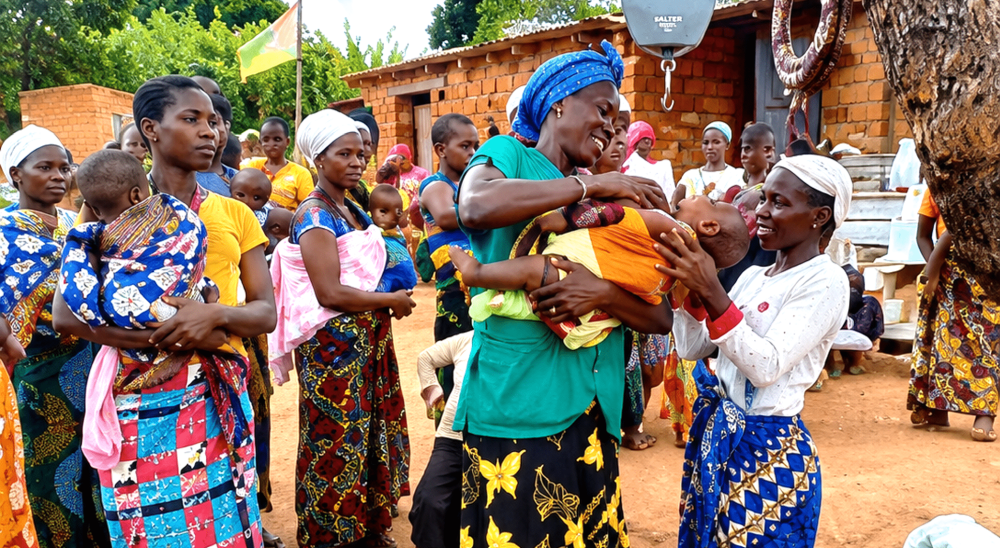
For years, the remote community of Nawitela-Namuli in Mozambique’s Zambézia Province faced a difficult choice: walk long distances with young children to the nearest health facility or risk missing routine vaccinations that protect against preventable diseases.
Carlota, a community health worker serving Nawitela-Namuli in Gurué District, refused to accept that reality.
For the past four years, she has gone door to door, promoting healthy practices, encouraging families to seek care and becoming a trusted source of health information in her community, long before integrated outreach services reached the village.
Earlier this year, her work took on a new dimension.
Through the Bate-Papo (Let’s Talk About Vaccines) implemented by VillageReach in collaboration with the District Health Directorate, a partnership was established with Legados to implement integrated Mobile Brigades. Carlota helped mobilize her community for its first integrated Mobile Health Brigade. The outreach was not introduced by chance; it was the result of community dialogue, joint planning with health authorities, and the identification of local barriers that had prevented many children from accessing routine immunization services.
Championing Change from Within
In Zambézia Province, the Bate-Papo (Let’s Talk About Vaccines) project brings together caregivers, community health workers, health providers, district health authorities and local partners to understand why children miss routine vaccinations and co-create practical solutions tailored to each community. By strengthening collaboration between communities and the health system, the project helps ensure that services respond to local needs while building trust in routine immunization.
Through the Bate-Papo project, Carlota strengthened her communication and community mobilization skills. She received interpersonal communication training, practical educational materials, and ongoing mentorship to support meaningful conversations with caregivers about childhood vaccination.
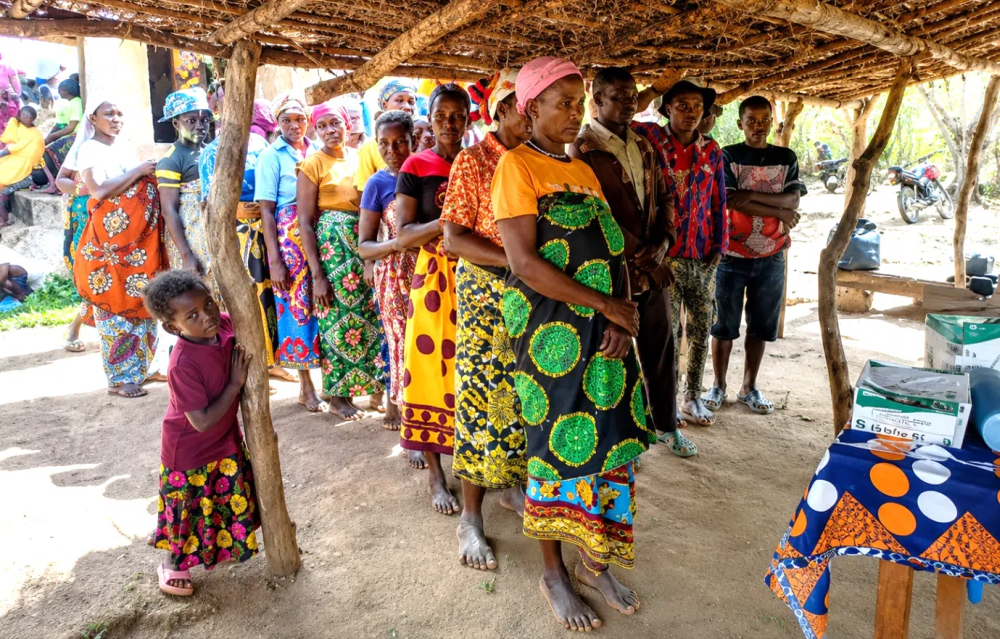
She led conversations with caregivers, answered questions about vaccines and encouraged families to attend the mobile brigades. At the same time, regular planning meetings with district health teams enabled community feedback to inform outreach planning, helping prioritize underserved communities such as Nawitela-Namuli for Mobile Health Brigade services. Regular meetings with district health teams strengthened coordination between community health workers and health facilities, allowing local challenges to be discussed and practical solutions implemented together.
For Carlota, the partnership provided the support she had long needed to better serve her community.
“Today, Nawitela-Namuli looks very different,” she says. “Thanks to ongoing awareness efforts, people now understand the importance of vaccination and preventive care.”
Today, families no longer have to make the same difficult journeys for every vaccination visit. Mobile brigades bring services much closer to home, making it easier for caregivers to protect their children. Caregivers who once delayed or missed vaccination because of distance or limited information are now actively participating in outreach sessions and bringing their children for routine immunization. Although the community hopes the MBs will visit more often, they have already made a meaningful difference.
“When I see mothers bringing their children for vaccination without fear or hesitation, I know our work is making a difference,” Carlota says. “Every child protected today is a healthier future for our community.”
Carlota’s story demonstrates that improving immunization coverage requires more than making vaccines available. It requires trusted community health workers, engaged communities and responsive health systems working together to remove barriers that prevent children from accessing life-saving services.
By strengthening community engagement, supporting frontline health workers and improving collaboration between communities and the health system, the Bate-Papo project is helping ensure that more children receive routine immunization while creating sustainable approaches that can continue benefiting communities well beyond the life of the project.
Related Articles

Student Champions in Mozambique Promote HPV Vaccination in the Fight to Prevent Cervical Cancer
In Mozambique, VillageReach’s INTEGRATE HPV initiative is reshaping cervical cancer prevention. When trained teachers and student peer champions led the conversation, fear gave way to enthusiasm. School-based HPV vaccinations surged nearly tenfold across intervention sites.
A Doctor’s Mission to Save Sight — and Futures — in Mozambique
In Mozambique, Dr. Isaac Vasco da Gama, one of only three pediatric ophthalmologists in the country, leads crucial efforts to save children’s vision through surgeries, mobile clinics, and community training. His work transforms lives in a nation where eye care resources and awareness are scarce.
In Mozambique’s Zambezia province, mothers go the extra mile to get kids protected with malaria vaccines
Mozambique introduced the malaria vaccine in its worst-hit province on 5 August 2024.