
Iowa ophthalmologist Kanwal Singh Matharu went to Zambia with Orbis International not to operate but to teach. His bet: the surest way to treat blindness is to leave behind surgeons who can continue to cure it after you’ve gone.
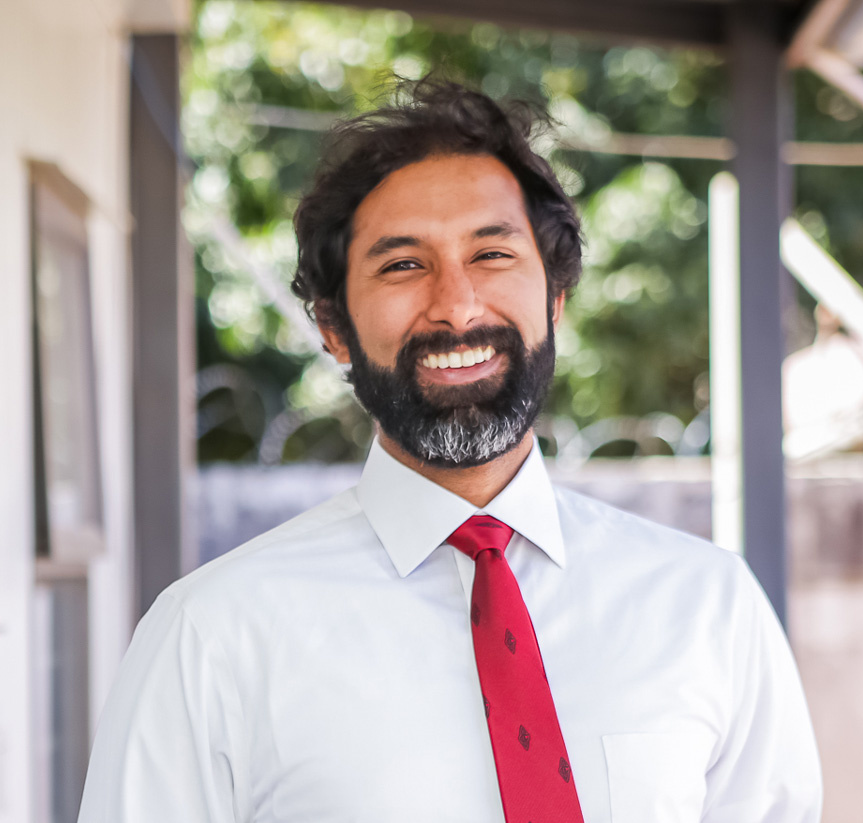
Zambia has 38 ophthalmologists for 19.4 million people. Dr. Kanwal Singh Matharu, a cornea specialist at the University of Iowa, spent part of July 2025 trying to make that number matter less, not by adding his own hands to the count, but by training the hands already there.
It was his second trip to Zambia with Orbis International, the sight-saving nonprofit. His work there was deliberately focused on teaching: largely educational, coaching local surgeons through simulation rather than performing the surgeries himself. He mentored two Zambian surgeons in phacoemulsification, the ultrasound cataract technique, and reasoned that a surgeon’s first fumbling attempts at hand-eye coordination belong on a simulator, not a patient. As he told Our Iowa, “Simulation training works.”

The through-line of his career is that patients come before procedures, and people before both. The son of immigrants, he traces his approach to a Sikh emphasis on sewa, selfless service, and to a moment early in his training when a grieving patient taught him which came first. The medicine, he decided, could wait. And he makes no secret of loving the work itself: “I just love looking at the eyes.”
That philosophy keeps widening. His Zambia connection began as a friendship with an Orbis-trained Zambian surgeon he’d met in India; it grew into late-night conversations about raising the standard of eye care across sub-Saharan Africa.
In the fall of 2025 his global work earned him a Fulbright Specialist award to collaborate with the Research Institute of Ophthalmology in Giza, Egypt, strengthening research systems and partnerships in eye care. He hopes it becomes a two-way street, with students and surgeons from Iowa and Egypt visiting each other to share ideas. As he put it, “My goal is to connect eager, curious learners with educators ready to share their expertise.”
The logic is the same wherever he lands. When Matharu flies home, the surgeons he trained keep operating, passing their skills on and restoring sight to people he’ll never meet. That, for him, is the whole point.
This summary is based on the following sources:
- A Hawkeye’s Global Vision, by Camille Murray for Our Iowa
- Dr. Kanwal Singh Matharu awarded Fulbright to strengthen global ophthalmology in Egypt, by Ben Partridge for The University of Iowa International Programs
- Doctor Completes HCP Global Fellowship, for Cure Blindness Project
Related Articles
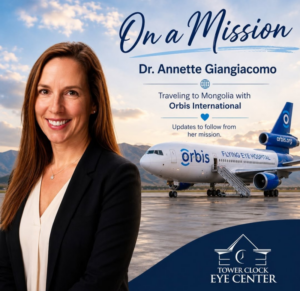
Green Bay Glaucoma Specialist Brings Sight-Saving Skills to Mongolia
Dr. Annette Giangiacomo, a Green Bay glaucoma specialist, spent a week in Ulaanbaatar training local ophthalmologists through Orbis International, part of a decade-long commitment to expanding sight-saving care in Mongolia and beyond.
Helping Children with Disabilities in Syria
International Medical Corps’ Syria teams recently had an opportunity to serve children with visual, hearing, mental and physical impairments, after the government asked for their help.
From the US to Damascus: Syrian American Doctors Tackle Preventable Infant Blindness
Syrian American ophthalmologists are banding together to improve pediatric tests for retinopathy of prematurity. From Think Global Health.