
Fundación Santa en las Calles operates two mobile clinics serving people experiencing homelessness. Panabus provides comprehensive primary care, while its newer pink companion Panarosa offers full gynecological services to women on the streets.
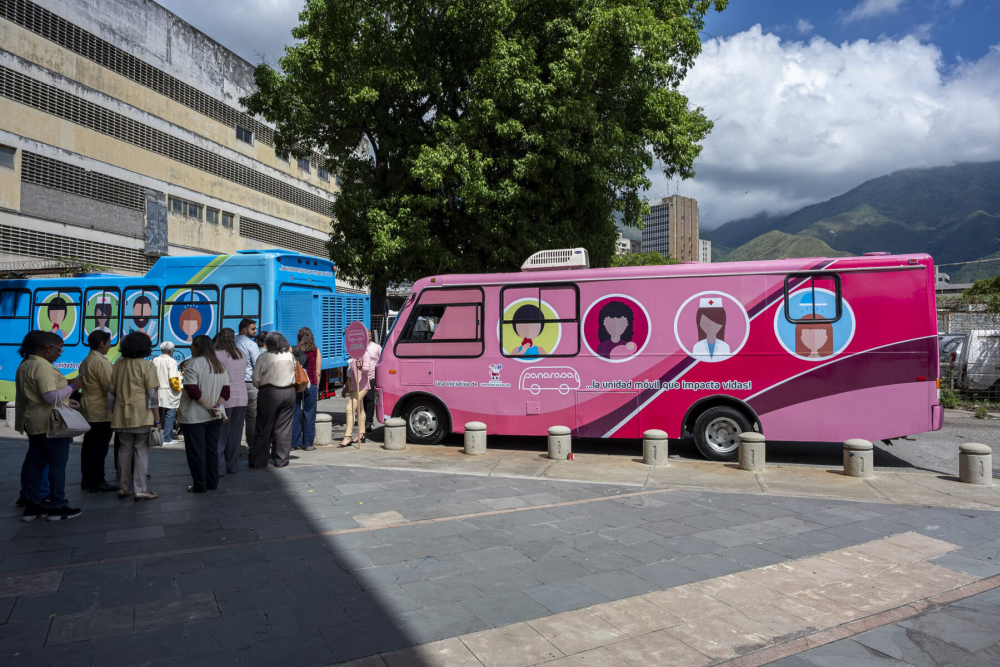
On the streets of Caracas, two specially equipped buses are bringing medical care directly to people who have nowhere else to turn. Fundación Santa en las Calles operates Panabus, a comprehensive primary care clinic on wheels, and Panarosa, a companion vehicle dedicated to gynecological and obstetric care for homeless women. Together they represent one of the most distinctive humanitarian health programs in Venezuela today.
Panabus launched in 2016 with a simple premise: if people experiencing homelessness move from place to place, the services that help them should move too. The name itself reflects that spirit: “pana” is Venezuelan slang for friend. Social workers scout the city for encampments where the bus can park for the day. Each visit offers psychosocial interviews, hygiene kits, clean clothing, haircuts, basic dental care, medical evaluations, and treatment for common conditions such as infections and respiratory illness. Since its launch, Panabus has carried out more than 6,000 care visits.

The pink Panarosa joined the fleet in late 2024 after the team noticed a gap. Although the number of women living on the streets kept growing, Panabus was treating mostly men. General manager María (Maru) Angélica Rodríguez and her colleagues realized that gynecological care carries particular taboos. A dedicated, women-only space might reach patients who would otherwise go without, they believed.
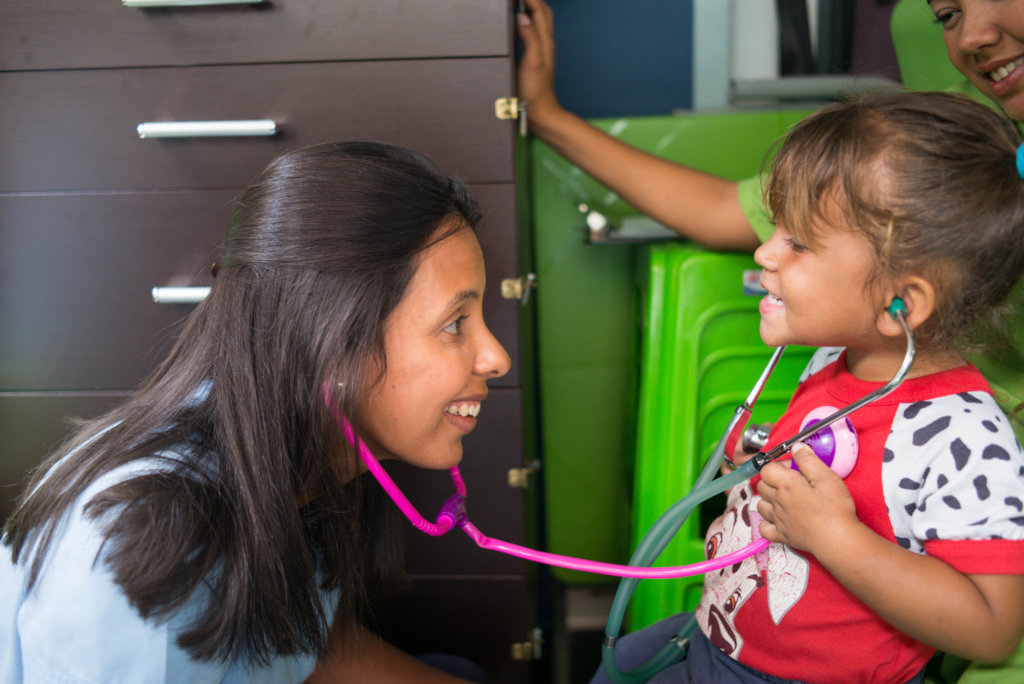
A specialist in gynecology and obstetrics now staffs Panarosa, providing the same standard of care available in a private clinic, including physical exams, Pap smears, family planning, and ultrasound when needed. The team treated five women on the first route and has since cared for more than 100.
Both programs limit daily patient numbers, with Panabus seeing up to seven people a day and Panarosa five. Medical coordinator Alejandra Ceballos told Reasons to be Cheerful that the constraint, set partly by the bus water tank capacity, actually improves the experience. Each patient receives unhurried attention and a genuine relationship with the doctor, something that overburdened hospitals rarely allow.
The work goes beyond a single visit. When patients express the wish to leave the streets, the foundation activates a reintegration program that focuses on restoring health, family bonds, and a sense of identity. With Panarosa, entire families are often reached at once, and the program adds school enrollment and academic catch-up for children. The foundation reports an effective reintegration rate of two to three percent, a figure that sounds modest until you consider that each individual often represents a whole family lifted off the street. Two hundred people have been successfully reintegrated through Panabus so far.
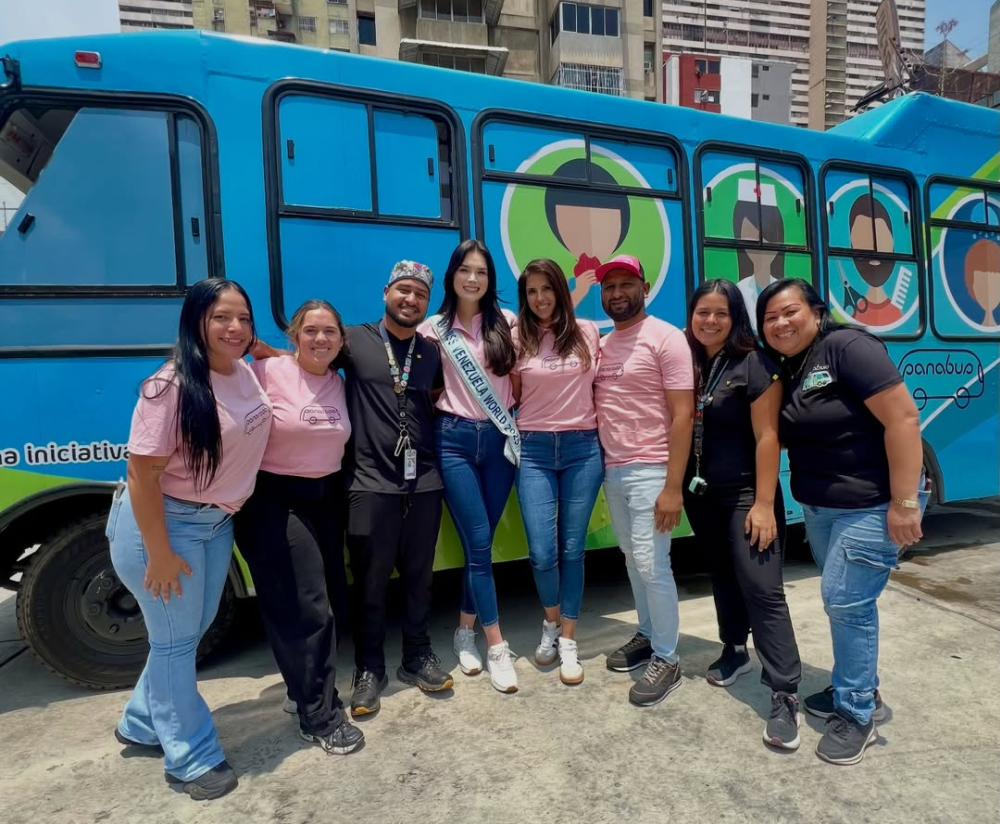
One of those success stories now welcomes patients onto the bus. Nursing assistant Mariannys Quintero was herself homeless less than a year ago, pregnant with twins after returning from Colombia with her young daughter. Staff at Panarosa supported her through a high-risk pregnancy, the loss of the babies, and the search for housing. Today she greets new patients and tells them, in effect, that someone understands.
The foundation, headquartered with a registered office in Miami and operations on the ground in Caracas, also runs other initiatives throughout the year. Its program “Yo Apoyo un Calvito” supports children with cancer by helping cover laboratory costs and nutrition, providing emotional support to families, and keeping children enrolled in school during treatment. Every Tuesday, volunteers deliver 120 lunches to pediatric oncology wards.
In the first quarter of 2026, the foundation reported assisting more than 60 people through Panabus and 46 women through Panarosa, and on March 7 it partnered with Grupo Leti Laboratory to hold a health fair in San Sebastián de los Reyes that served 325 people and provided 494 medical consultations in a single day.
Looking ahead, Rodríguez says the central goal is unchanged: restoring the dignity of people living on the street and ensuring that every visit meets the standard of the best care these patients could possibly receive. The longer-term vision is to expand the Panabus model internationally and build a global network of allies committed to the same idea: that humanitarian medicine can travel to meet people where they are.
This summary is based on the following sources:
- The Bus That Brings Reproductive Care to Homeless Women, by Mariel Lozada for Reasons to Be Cheerful
- Transform The Life Of Homeless People In Venezuela, by SANTA EN LAS CALLES FOUNDATION for GlobalGiving.org
- La Extraordinaria Labor de la Fundación Santa en las Calles: Más Allá de la Navidad, by Eudiven Villarreal for Diario La Calle
- Santa en las Calles on Instagram
- Panarosa Oficial on Instagram
- Panabus Oficial on Instagram
Related Articles
Critical Medical Aid Arrives in Venezuela to Support Patient Care, Post-Earthquake
More than six tons of medicines and supplies, requested by the Venezuelan Red Cross and Acción Solidaria, arrived Saturday in Caracas, provided by Direct Relief.
Direct Relief Supports Venezuela Earthquake Recovery with On-The-Ground Initiatives to Strengthen Medical Logistics, Recovery Efforts
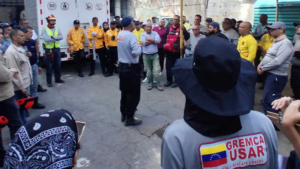
Acción Solidaria and Grupo de Rescate Metropolitano de Caracas, or GREMCA, received emergency funds from Direct Relief to support health efforts as the earthquake response continues.
Meet the Health Workers Restoring Care at the Colombia-Venezuela Border
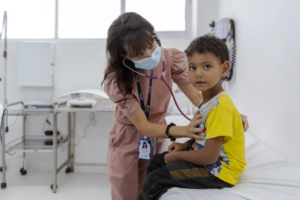
Dedicated health workers are bringing critical care to migrants who have never seen a doctor. Project HOPE partners with local clinics to provide primary care, maternal health services, and mental health support to displaced families navigating the ongoing crisis.