

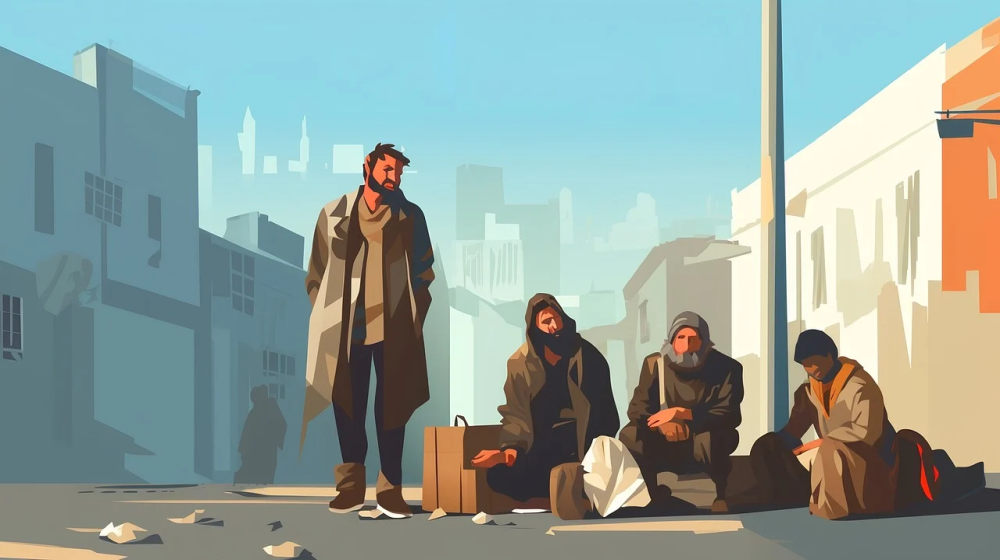
In Los Angeles County, where approximately 75,000 people experience homelessness nightly, a pioneering psychiatric program is taking an unconventional approach to mental health care. The Homeless Outreach & Mobile Engagement (HOME) program deploys 18 teams of mental health professionals who provide psychiatric treatment to people living on streets, under overpasses, and in tents.
The program, operating with a $43 million budget, represents a significant departure from traditional psychiatric practices. Teams of psychiatrists and social workers make daily rounds to approximately 1,700 patients, offering both oral and injectable antipsychotic medications. Their approach combines persistent outreach with medical intervention, sometimes visiting potential patients for months before they accept treatment.
The story in the New York Times follows two patients: Michael, who lived on Firestone Boulevard for over a decade, and Eric Covington (known initially as Yoh), who resided under a freeway overpass. Through careful relationship building and consistent care, the team gradually gained their trust and began treatment. While Michael’s journey showed mixed results, Covington successfully transitioned to interim housing and showed significant improvement in his mental state.
The program has faced criticism from patient rights advocates who question the ethics of administering powerful medications in street settings and debate whether resources would be better spent on housing. However, program leaders point to successful cases and argue that for some severely mentally ill individuals, medication can be a crucial first step toward accepting housing and other services.
Last year, of the 1,919 people served by the program, 22% ended the year housed. While this represents modest progress, the team sees it as validation of their approach.
“I felt a gathering of my senses,” Covington told The New York Times, describing his experience after receiving treatment. “Like, if you want to live, this is what you need to do.”
Read the full article by Ellen Barry from October 20, 2024 in the New York Times (gift article): Under a L.A. Freeway, a Psychiatric Rescue Mission
Related Articles

Going to the People: Dr. Jim Withers and Thirty Years of Street Medicine
Thirty years ago, Dr. Jim Withers began walking Pittsburgh’s alleys and bridges at night to treat people who would never make it to a clinic. His street medicine model has since spread to over 200 cities on six continents.

Mobile Clinics Bring Health Care and Dignity to the Homeless in Caracas
Fundación Santa en las Calles operates two mobile clinics serving people experiencing homelessness. Panabus provides comprehensive primary care, while its newer pink companion Panarosa offers full gynecological services to women on the streets.
On Long Island’s Streets, a Medical Team Makes Housecalls for the Homeless
A mobile health program run by Northwell Health and the Long Island Coalition for the Homeless is reaching patients who might otherwise never see a doctor, and helping some find their way off the streets.